Visitors to Agra move between a monument, a hotel and a car. The city that grew up to serve the Mughal court is still there, a few minutes from the gates of Agra Fort, and hardly any of them see it. It is a dense knot of lanes around a large mosque, noisy and crowded and not arranged for tourists, which is the reason to go.
In this article
Where the Old City Is
The old city lies to the north-west of Agra Fort. The Jama Masjid stands facing the fort, and the bazaars spread out behind and around it. In the nineteenth century the railway was driven through the open ground between the two, and Agra Fort railway station now sits where the mosque and the fort once looked at each other across a square.
That makes the walk easy to attach to a visit to Agra Fort: the mosque is a short ride from the fort's gate.
The Jama Masjid
Agra's congregational mosque was completed in 1648, in the reign of Shah Jahan, and an inscription on it credits the building to his eldest daughter, Jahanara Begum. It is red sandstone, raised on a high plinth above the street, and its three domes carry a zigzag pattern in white marble and red stone that you will recognise from a distance.
It is a working mosque. There is no ticket, shoes come off at the steps, and clothes should cover shoulders and legs. Go outside prayer times, and stay away at midday on Fridays, when the courtyard fills for the main prayer of the week.
Kinari Bazaar
The lanes behind the mosque are Kinari Bazaar. Kinari means a border or trim, and the market is named for the gold and silver edging sold here for saris and wedding clothes. It is where Agra shops for weddings: fabric, embroidery, garlands, turbans, bangles and jewellery, in shops a few feet wide.
The main lane is narrow and shared with scooters, handcarts and the occasional cow. Walk on the side, step into a doorway when something needs to pass, and do not expect to move quickly. What to buy, and how to judge it, is covered in our Agra shopping guide.
The Lanes Beyond
Like most old Indian cities, this one is organised by trade. One lane sells spices, the next cloth, the next shoes or brassware, and the names of the lanes often say which. Turning off the main bazaar at random is the best way to see it; the lanes are short and you are never far from a street you will recognise.
Look up as you walk. Above the shop signs and the wiring are the upper floors of old merchant houses, with carved stone brackets, projecting balconies and wooden doors, some kept up and many not.
Eating in the Old City
The old city is where Agra's sweet trade is concentrated, and the lane around Noori Darwaza is known for petha, the translucent sweet made from ash gourd. Our guide to petha explains the varieties and how to choose a shop.
For street food, the usual rule applies: eat what is cooked hot in front of you at a stall with a steady local queue, and drink sealed water.
How to Do the Walk
Do not take a car in. Arrive by auto-rickshaw or cycle rickshaw, get down near the Jama Masjid and walk from there. Two hours is enough for the mosque and the bazaars at an unhurried pace.
Early morning shows you the mosque and the lanes before the shops open. Late afternoon shows you the market at full strength. Many shops close one day a week, so ask at your hotel before you go. Carry small notes, keep your phone and wallet in a front pocket, and wear shoes that slip on and off.
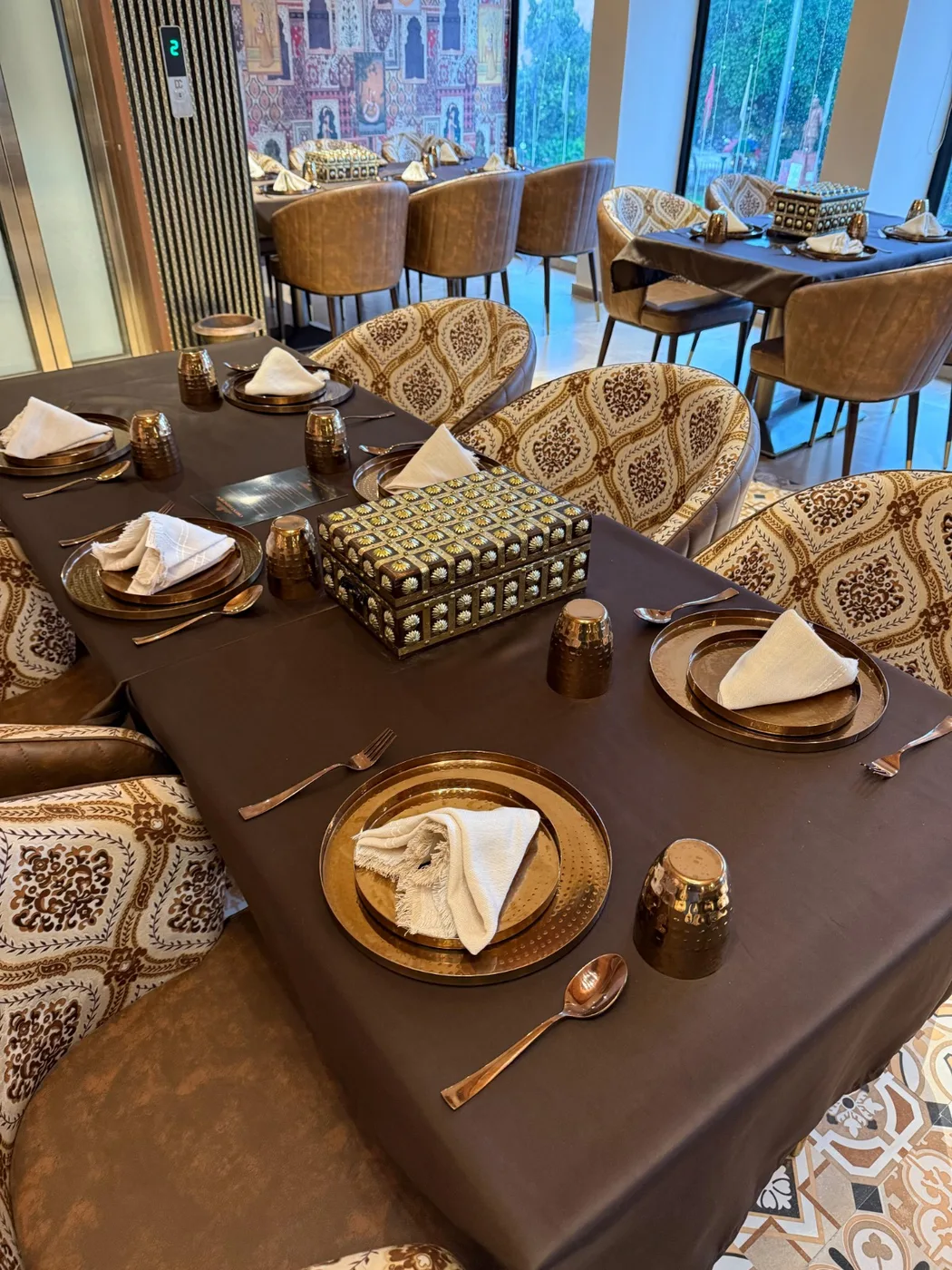
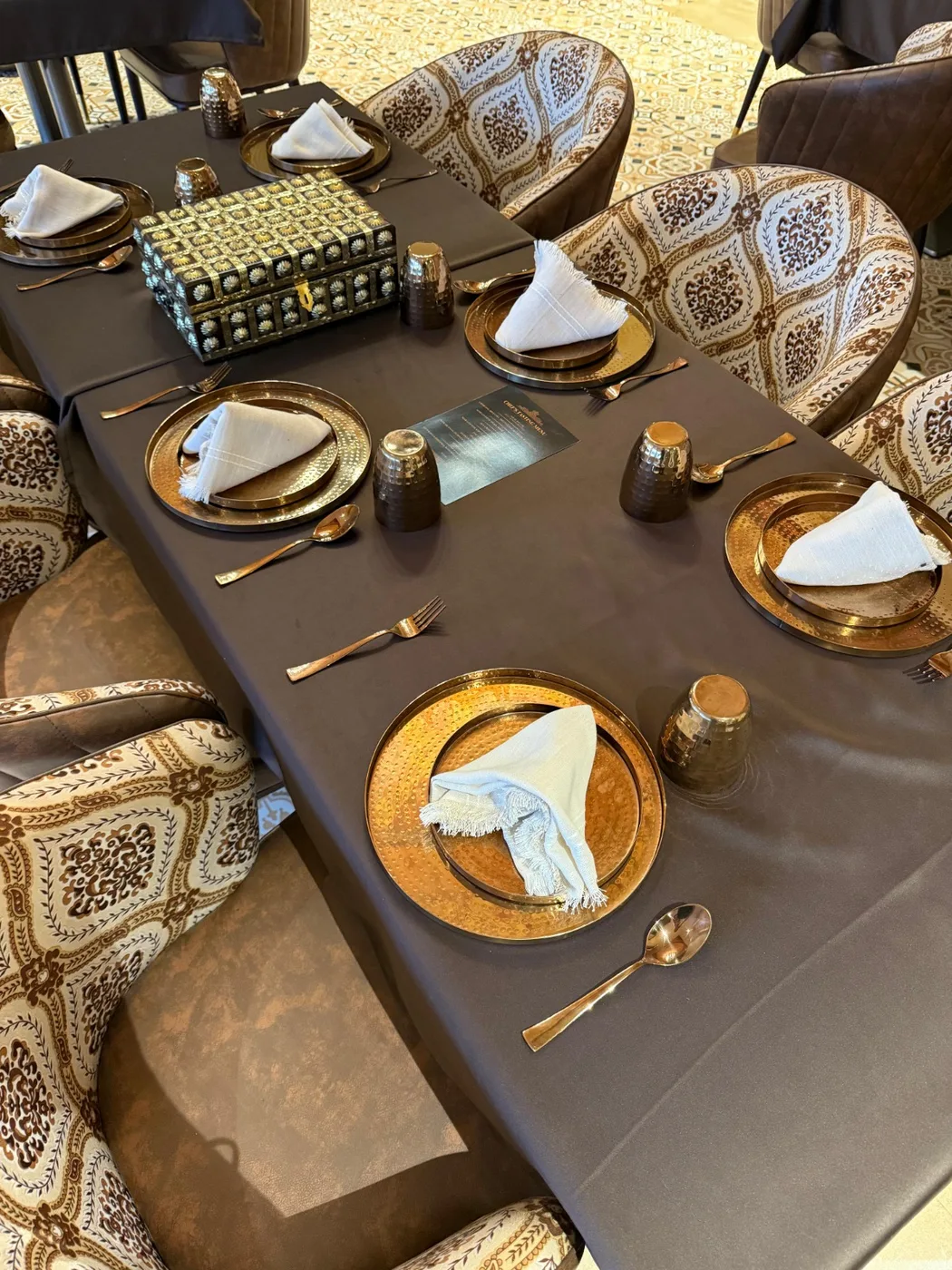
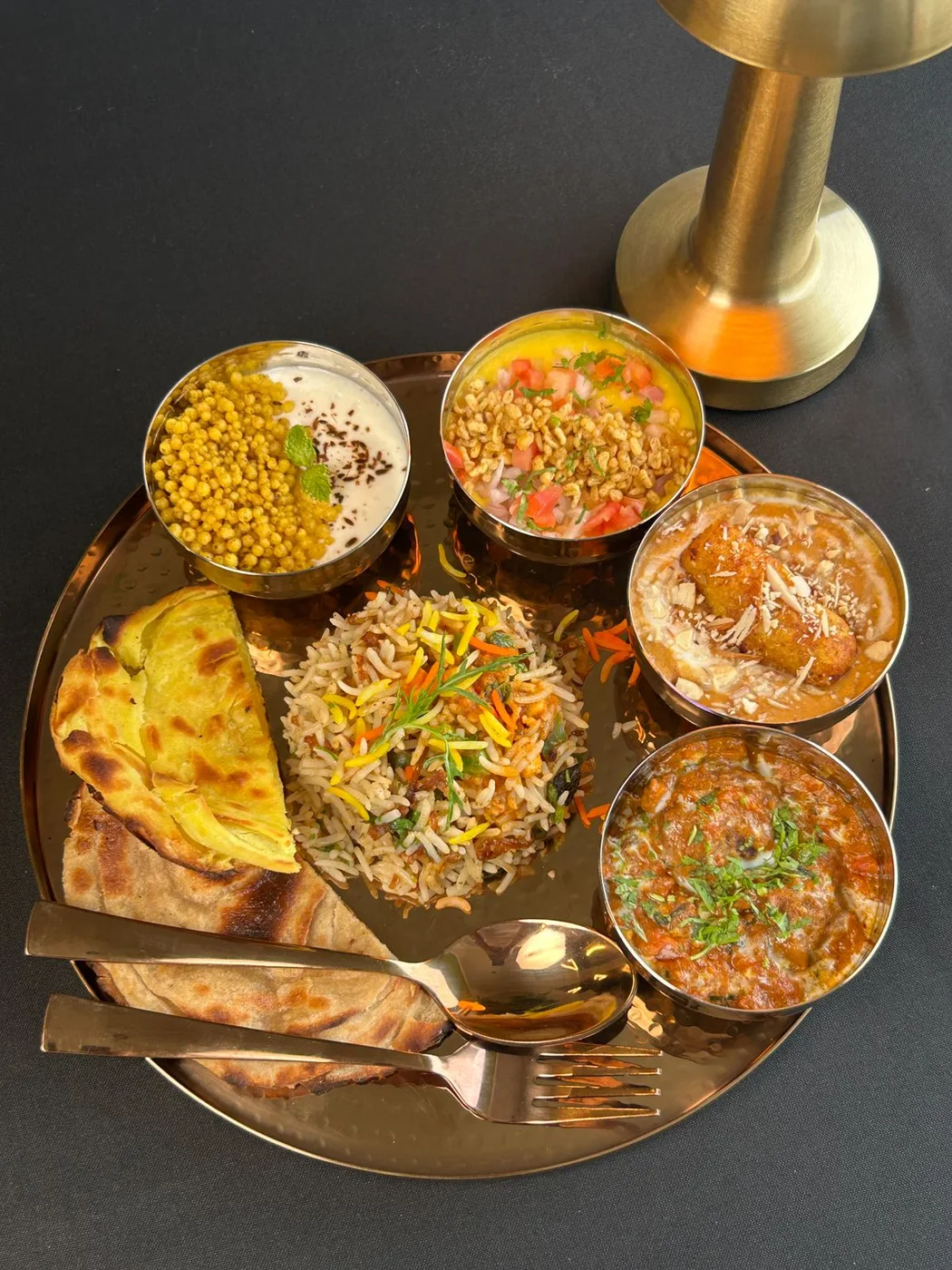
A local guide, or one of the heritage walks run in the city, adds a good deal, because much of what is interesting is behind doors you would not think to try. Tajnuma, our pure vegetarian Mughlai restaurant, is on Fatehabad Road on the other side of the fort, and is open until midnight.