Agra's crafts are the same crafts that built and decorated the Mughal city, and some of them are still practised by families who have done the work for generations. There is excellent work to buy here, and there is a lot of mediocre work sold at excellent prices. A little knowledge makes the difference.
In this article
Marble Inlay
The signature craft of Agra is marble inlay — parchin kari, or pietra dura — the same technique you see on the Taj Mahal and at Itimad-ud-Daulah. Semi-precious stones are cut into thin shaped pieces and set into channels carved in white marble, to make flowers, vines and geometric patterns. Tabletops, plates, boxes and coasters are the usual pieces.
A few things to look for: joins between the stone pieces that are tight and nearly invisible; stone rather than coloured resin (real stone is cold, and varies in colour within a piece); and marble rather than cheaper soapstone, which is softer and feels waxy. Good work takes a long time, and it is priced accordingly. A very cheap “marble inlay” tabletop is not what it claims to be.
Zardozi
Zardozi is embroidery in metallic thread — zar is gold in Persian — often worked with beads, sequins and stones onto velvet or silk. It flourished under Mughal patronage and Agra remains one of its centres. Look for it on bags, cushion covers, wall hangings and bridal wear. Hand work shows small irregularities; very uniform, cheap pieces are usually machine-made.
Leather and Shoes
Agra is one of India's biggest centres of footwear manufacturing, and much of what it makes is exported. That means well-made leather shoes, sandals and bags are available in the city for considerably less than you would pay abroad. Shop in the established markets rather than tourist emporiums, and check the stitching and the leather.
Rugs, Durries and Something to Eat
Agra and the surrounding region weave carpets and flat-woven durries, and the dealers are used to shipping overseas. Take your time and never buy on the first visit.
The easiest thing to bring home is edible: petha, Agra's candied ash gourd, and dalmoth, its famous spiced savoury mix. Buy them from established sweet shops, and pack them well.
Where to Shop
Kinari Bazaar, in the old city near the Jama Masjid, is the dense, traditional market for fabrics, trims, wedding goods and jewellery. Sadar Bazaar, in the Cantonment, is more orderly and good for leather, clothing and snacks. Shilpgram, near the Taj Mahal's east gate, is a crafts complex aimed at visitors.
Market hours and weekly closing days vary by area, so ask locally before you set out.
The Commission-Shop Trap
The most common shopping experience in Agra is not one visitors choose. A driver, guide or auto-rickshaw puts in an unscheduled stop at a large emporium, often with a “free demonstration” of marble inlay, and receives a commission on anything you buy. Prices are set to cover it.
It is fine to watch the demonstration, and some of these shops have good work. But never feel obliged to buy, compare prices elsewhere, and if you do not want the stop, say so clearly before you set off. Ask for a receipt, and if a shop offers to ship an item, pay by card and get the details in writing.
After the Bazaar
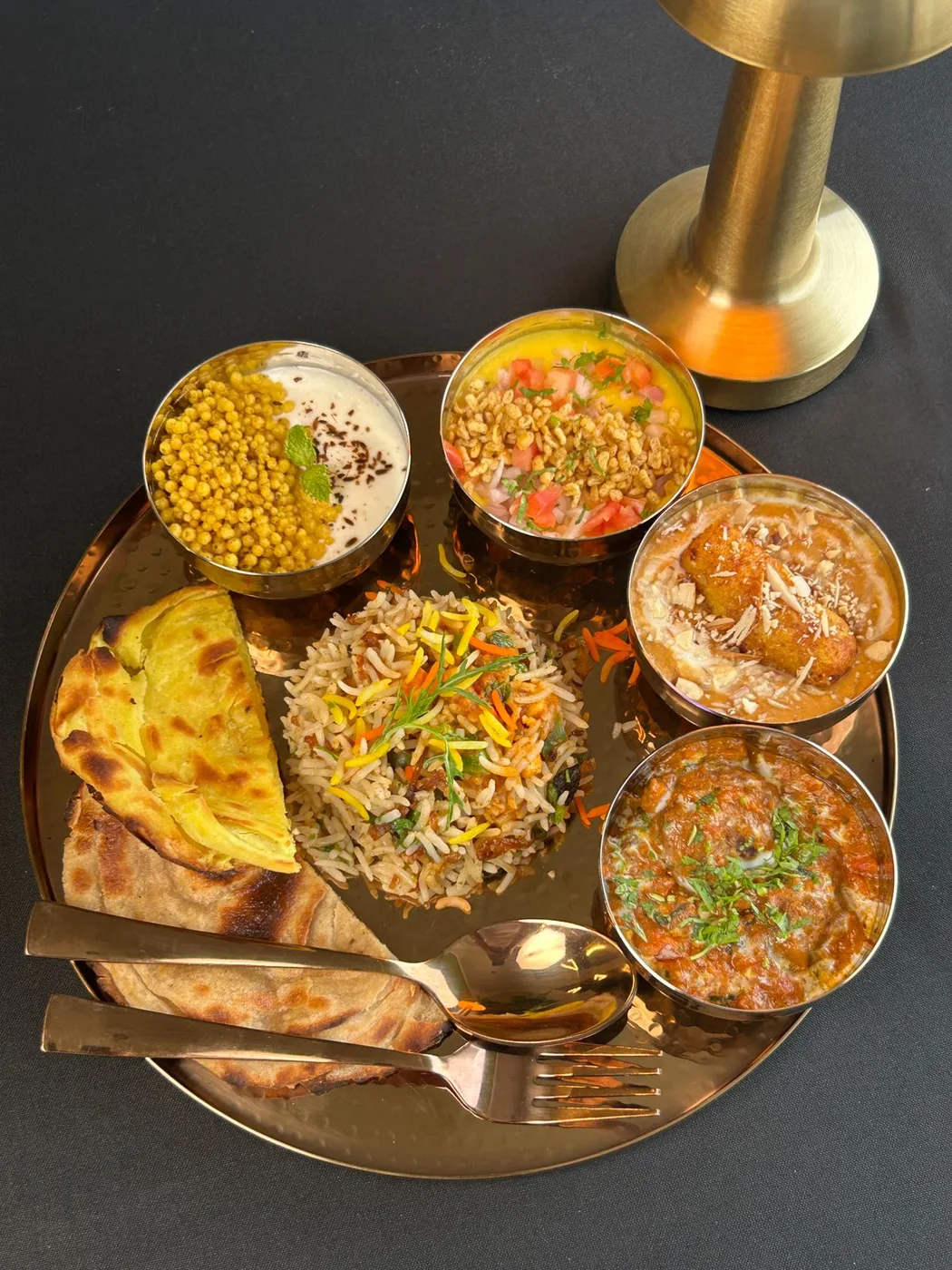
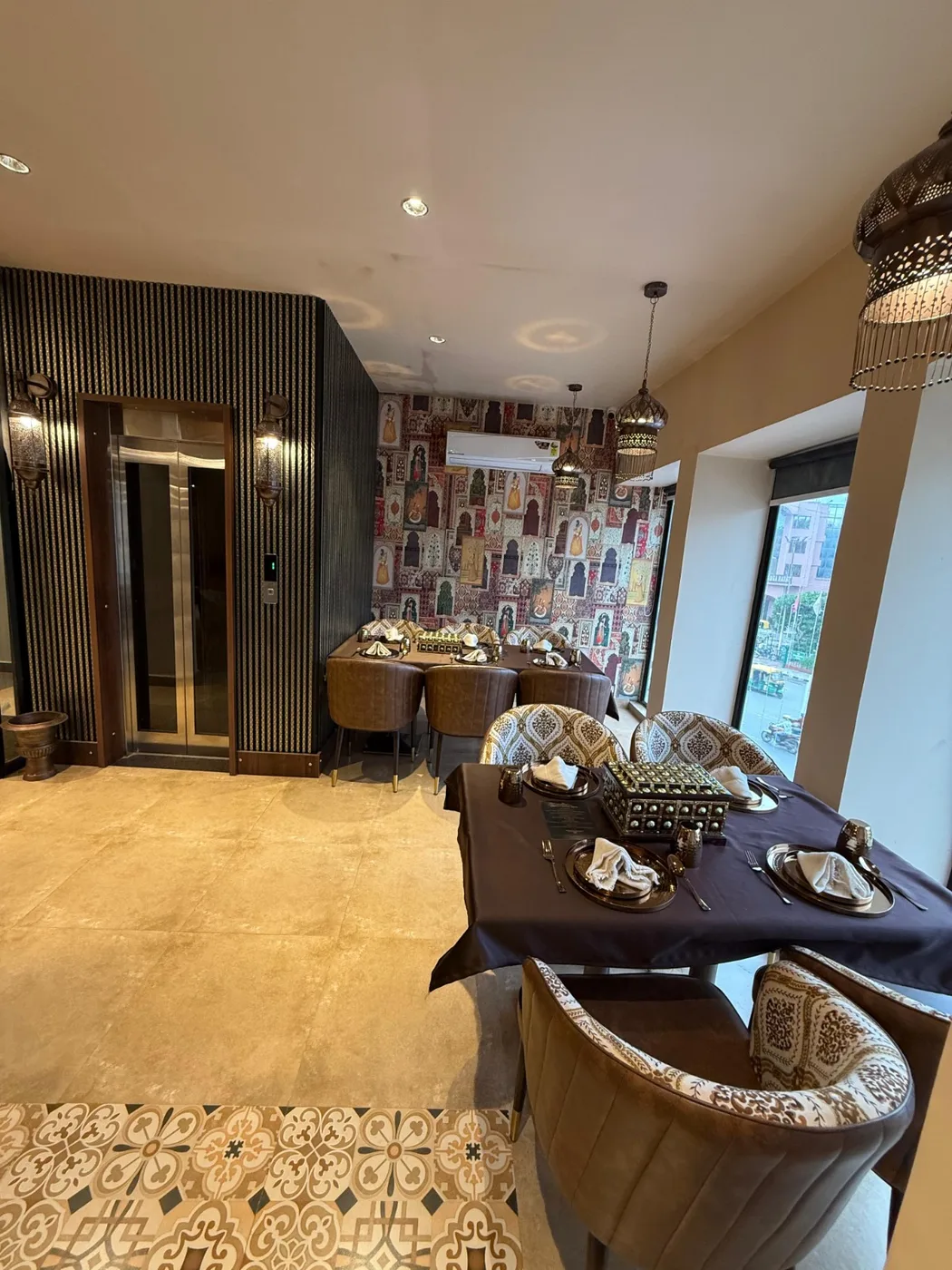
Shopping in the old city is hot, crowded and tiring, and it is best done late in the afternoon. Tajnuma, on Fatehabad Road near the Taj Mahal, serves until midnight every day: a cold lassi, a chaat and a dal are the right end to it. See the menu.