
- Tajnuma, 2nd Floor, Jobaaj Complex, Fatehabad Rd
- For Booking: +91 90688 89658
Visit Us
- Tajnuma, 2nd Floor, Jobaaj Complex, Fatehabad Rd, opposite Howard Plaza, Bansal Nagar, Tajganj, Agra, Uttar Pradesh 282001
- Timings - 12:00 pm – 12:00 am
The Tajnuma Journal
Agra, for People Who Are About to Visit It
Itineraries, monument timings, seasons and food — written from Fatehabad Road, in the neighbourhood the Taj Mahal stands in. No invented distances, no ticket prices that will be out of date by the time you read them.
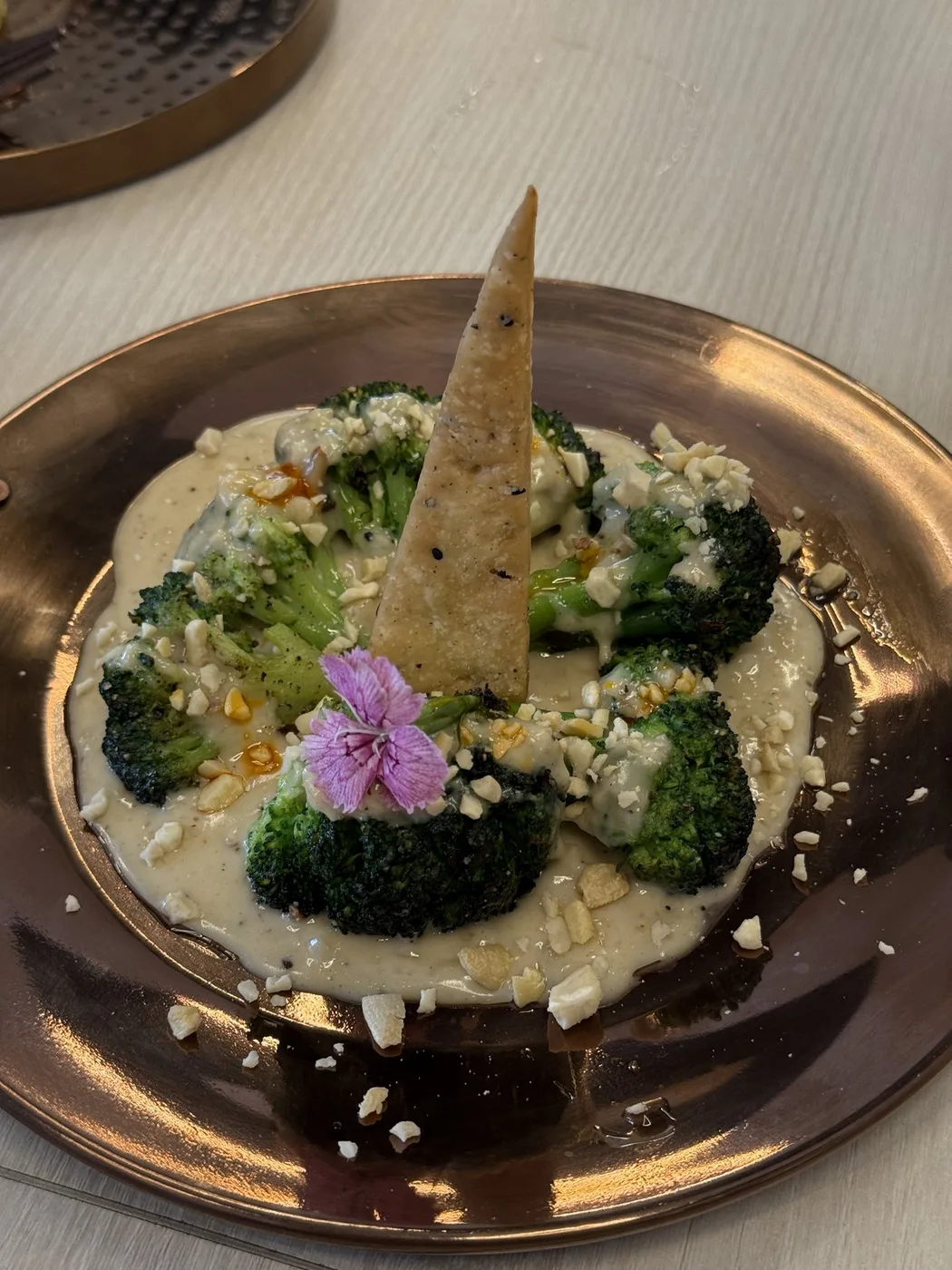
Dum: The Sealed Pot and the Slow Fire
A pot, a lid, a strip of dough and a low fire. How dum cooking works, and how much of its famous origin story is true.
Read the article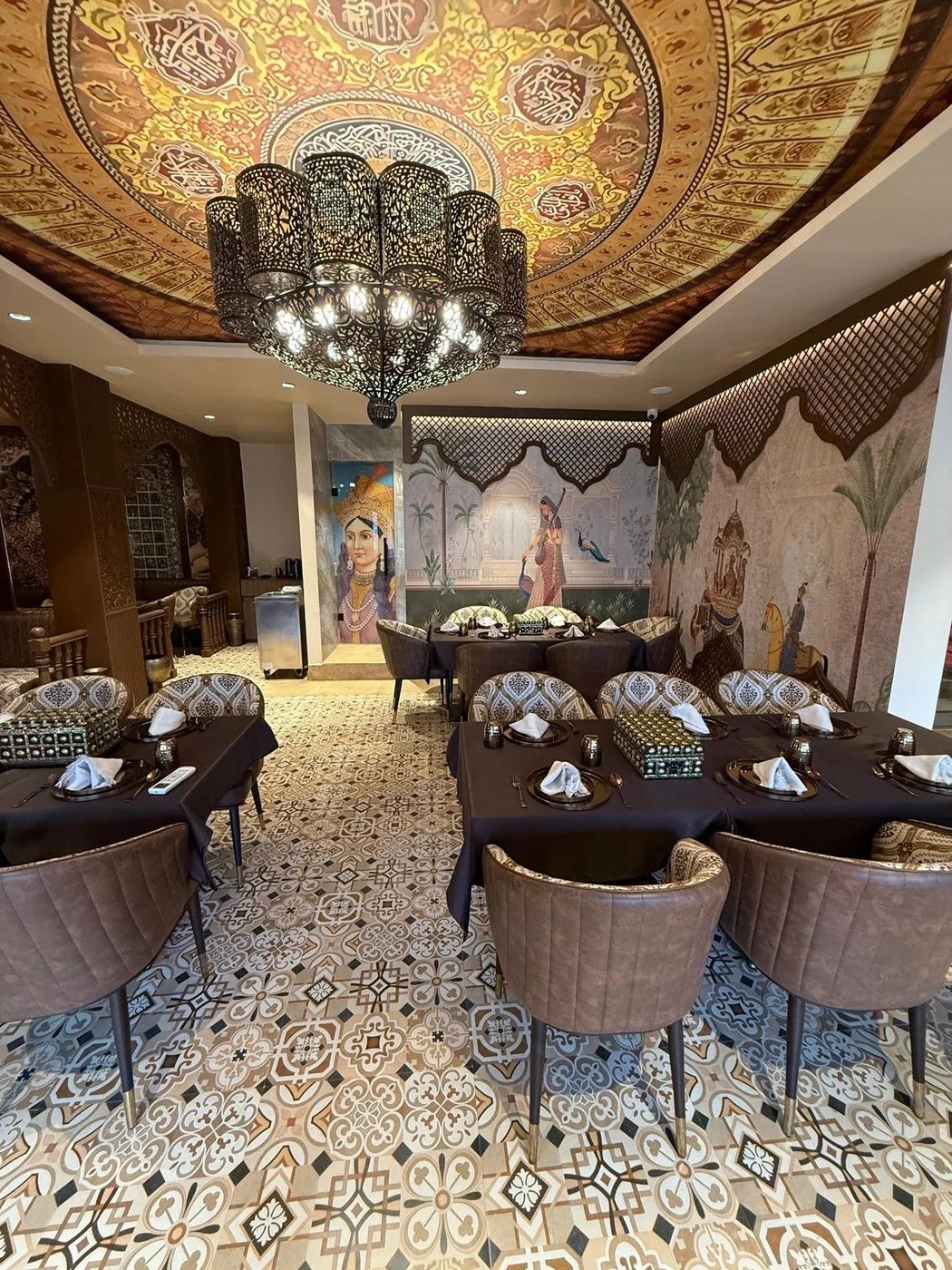
Nur Jahan: The Empress Who Built the Baby Taj
She had coins struck in her name, shot tigers, and built the most delicate tomb in Agra. The most powerful woman of the Mughal court.
Read the article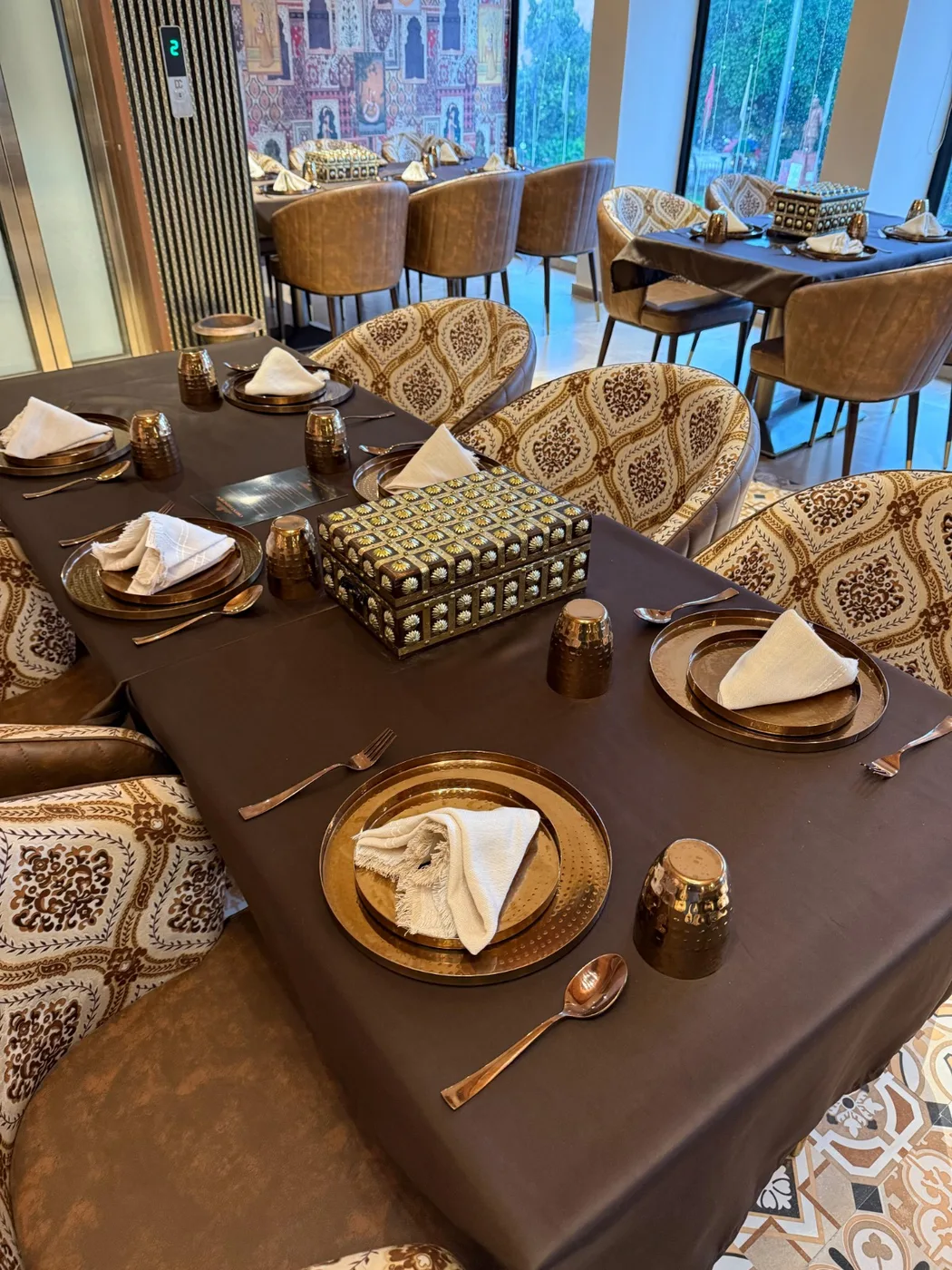
Mathura and Vrindavan: A Day Trip From Agra
The towns where Krishna is said to have been born and raised are on the road to Delhi. They are living pilgrimage places, not monuments, and need a different approach.
Read the article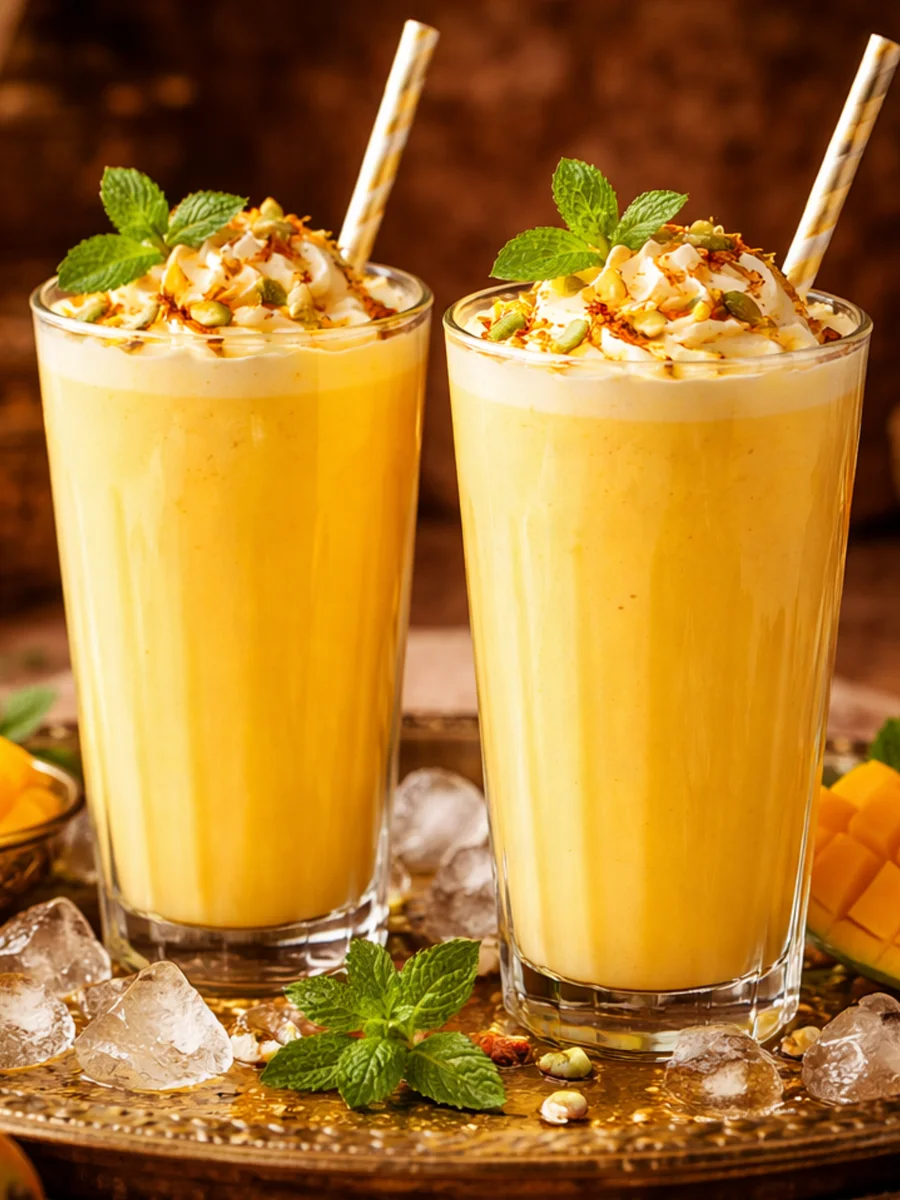
Sherbet, Lassi and the Cold Drinks of the Mughal Table
The first Mughal emperor complained that Hindustan had no ice. His grandson's court had it carried down from the mountains.
Read the article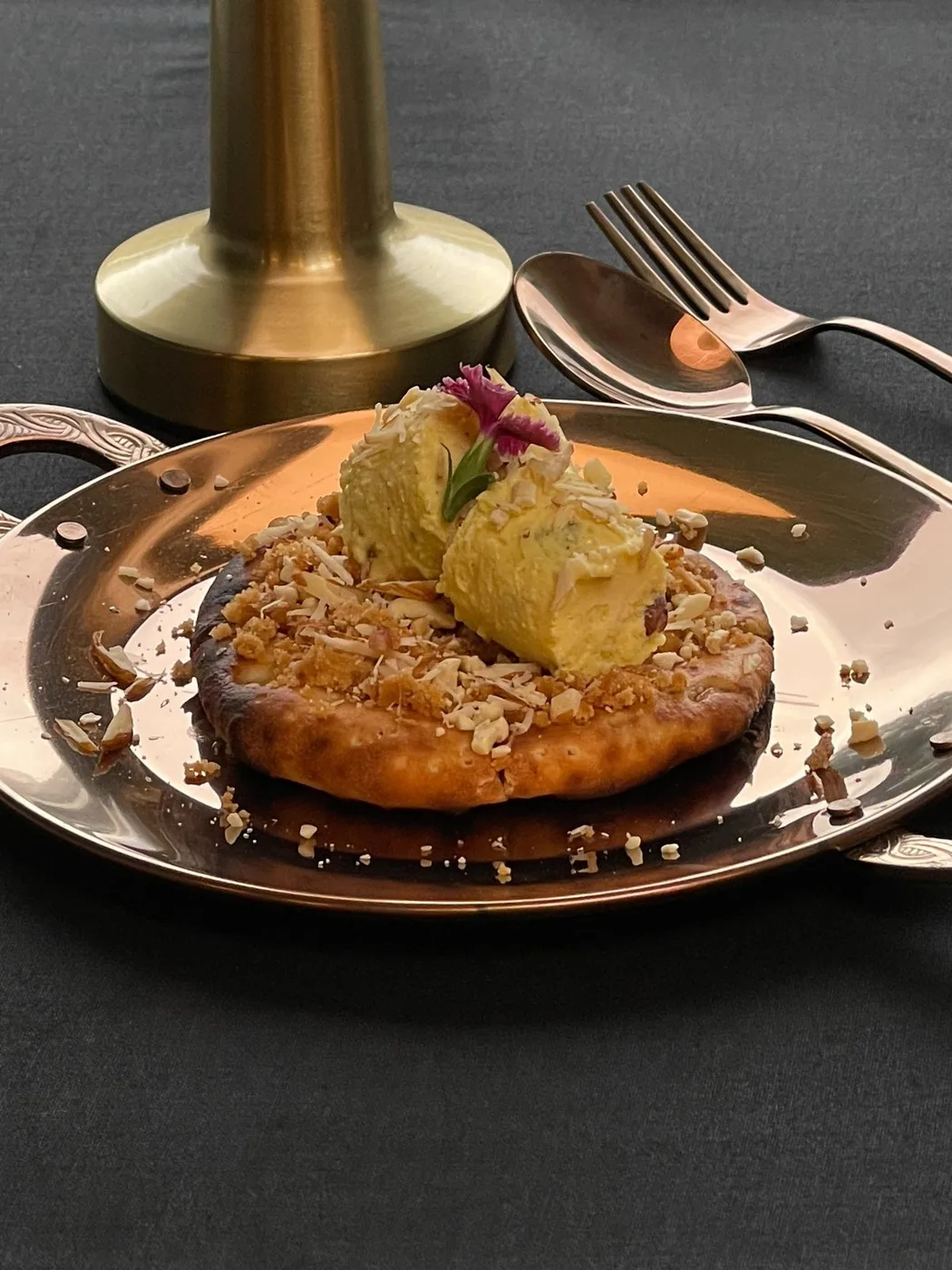
Naan, Khameeri, Sheermal: The Breads of the Mughal Table
Leavened or not, oven or griddle, plain or enriched. A short guide to the bread basket at a Mughlai meal.
Read the article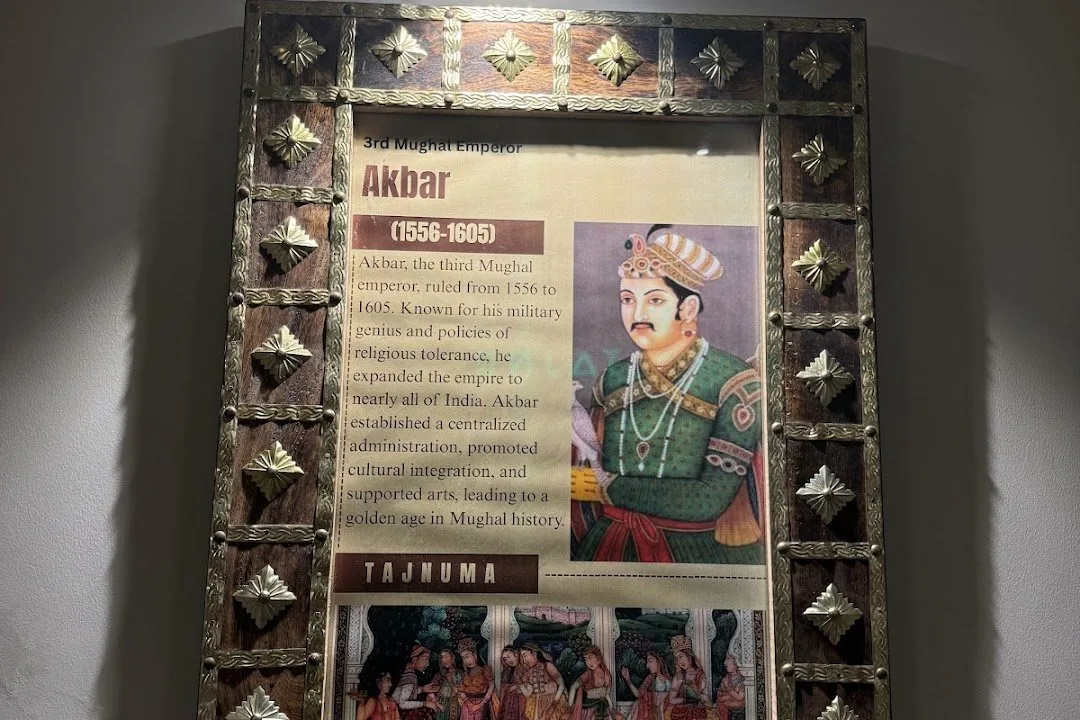
Shah Jahan and Mumtaz Mahal: The People Behind the Taj
A prince, the woman he married, nineteen years, and the tomb that followed. The history behind the building, without the embroidery.
Read the article
Keoladeo National Park: The Bharatpur Day Trip From Agra
Past Fatehpur Sikri, just inside Rajasthan, there is a wetland full of birds where you travel by cycle rickshaw. It is the quietest day out from Agra.
Read the article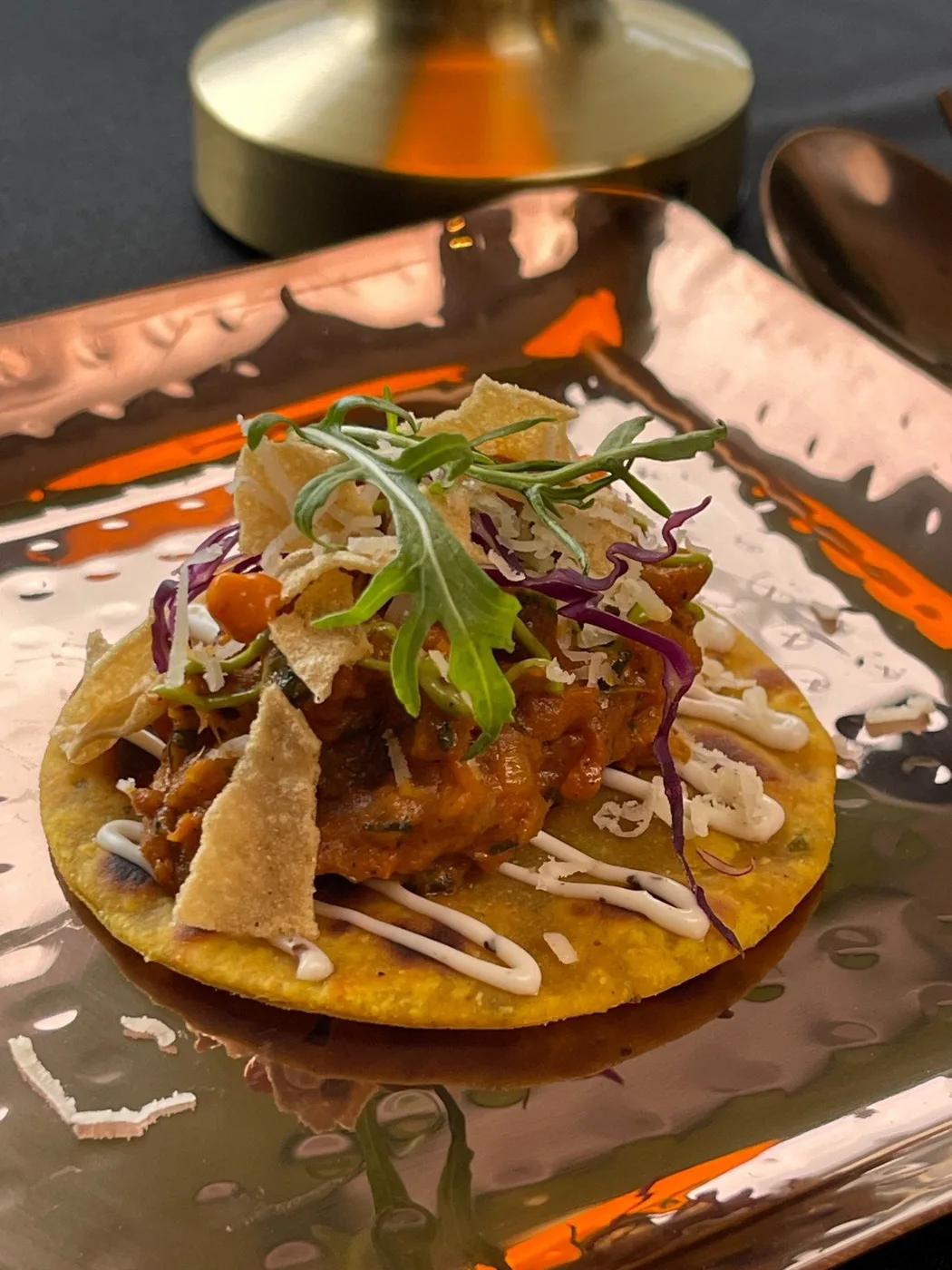
Bedai and Jalebi: The Agra Breakfast
A fried lentil bread, a sharp potato curry and a jalebi straight from the syrup. The most local meal in Agra is over by mid-morning.
Read the article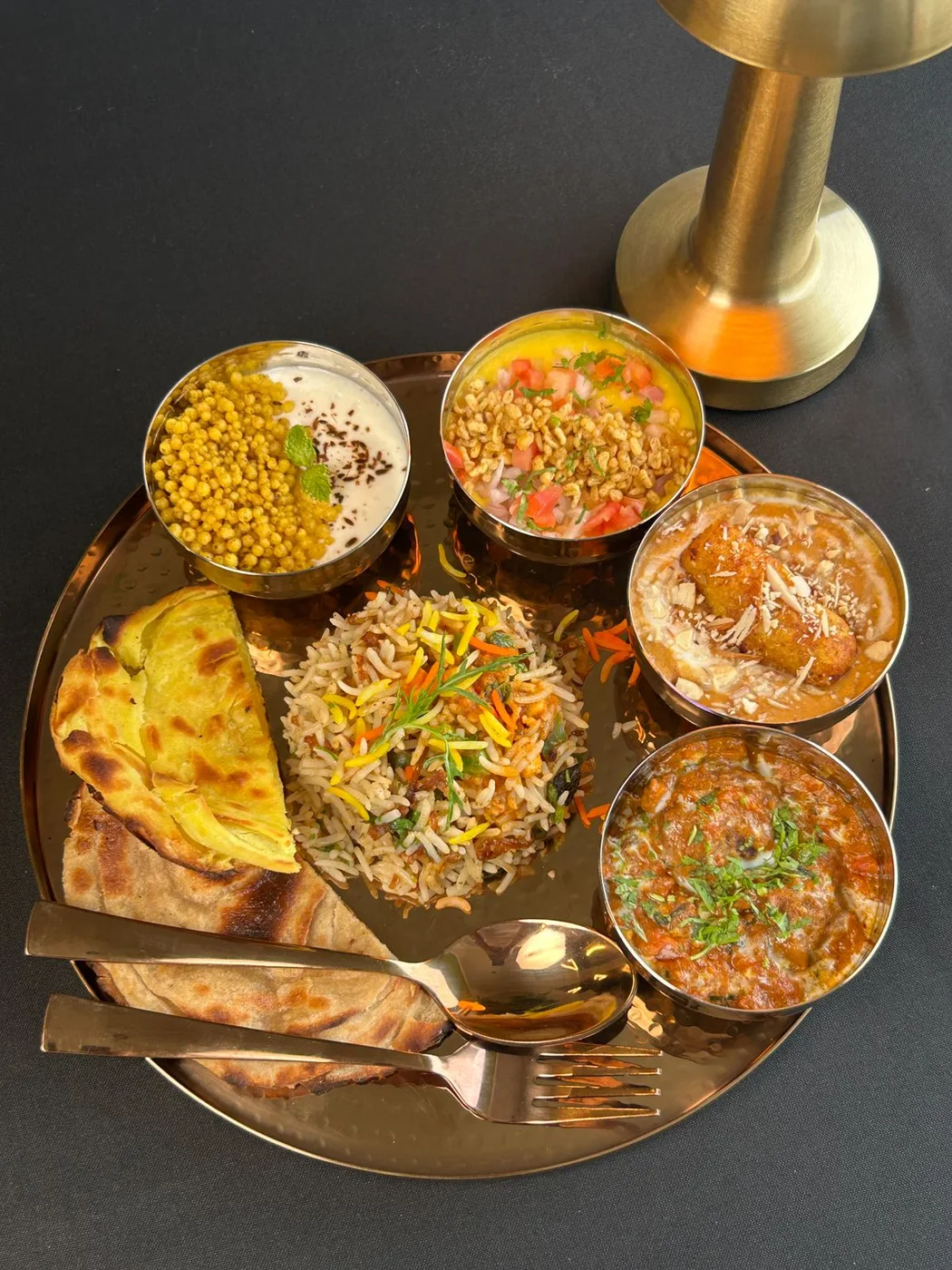
Saffron in Mughal Cooking: The Spice That Came From Kashmir
A few threads colour a whole pot. What saffron is, where the Mughals got theirs, and how it is used.
Read the article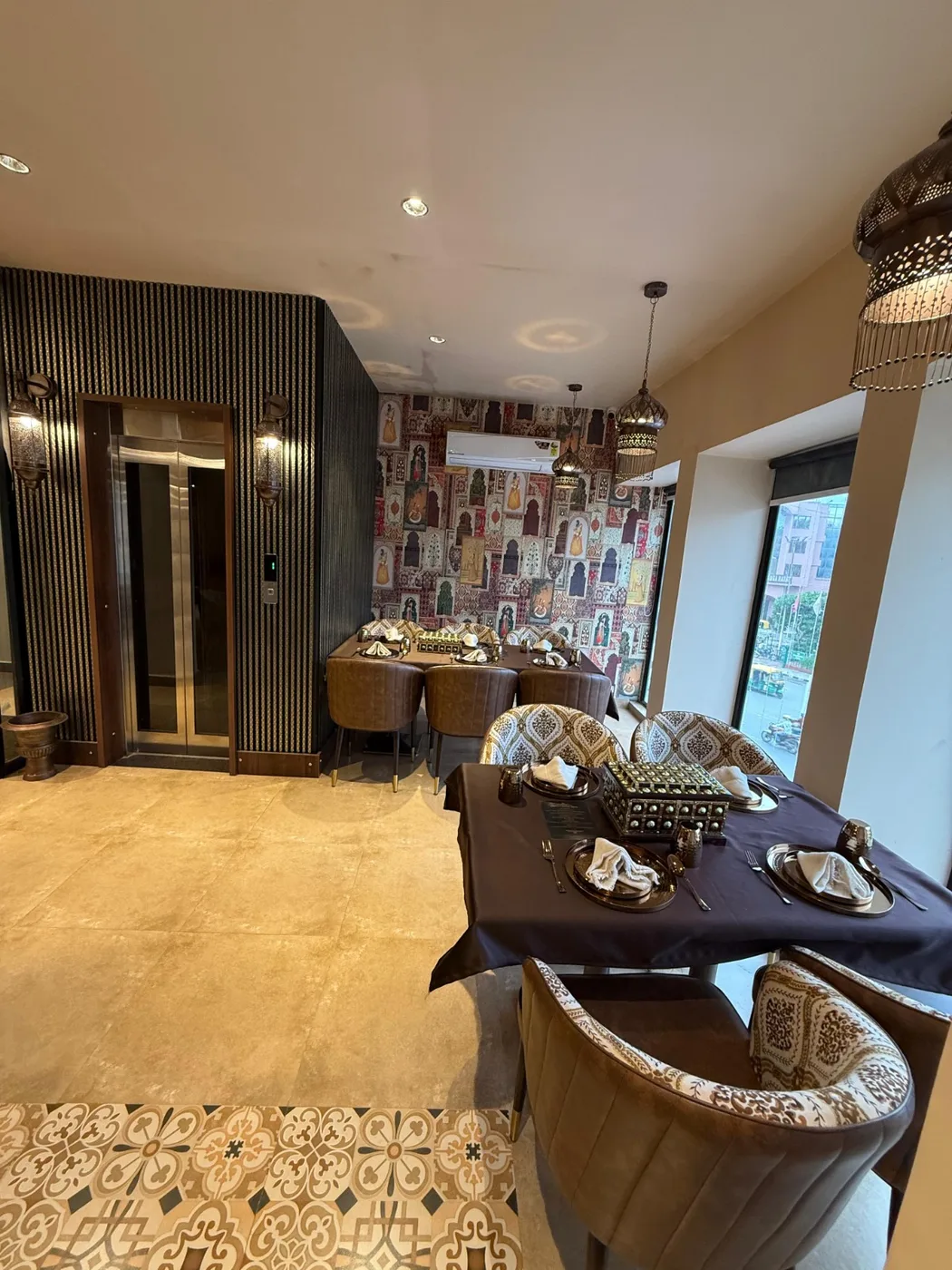
Parchin Kari: The Marble Inlay of the Taj Mahal
The flowers on the Taj Mahal are not painted. They are cut from stone and set into the marble, and the craft is still practised in Agra.
Read the article
Akbar's Tomb at Sikandra: A Visitor's Guide
The emperor who built Agra Fort and Fatehpur Sikri is buried on the edge of the city, in a tomb that looks like nothing else the Mughals made.
Read the article
Akbar's Vegetarian Days: The Emperor Who Gave Up Meat
The most powerful man in India spent a growing share of his days eating no meat. What the records say, and why.
Read the article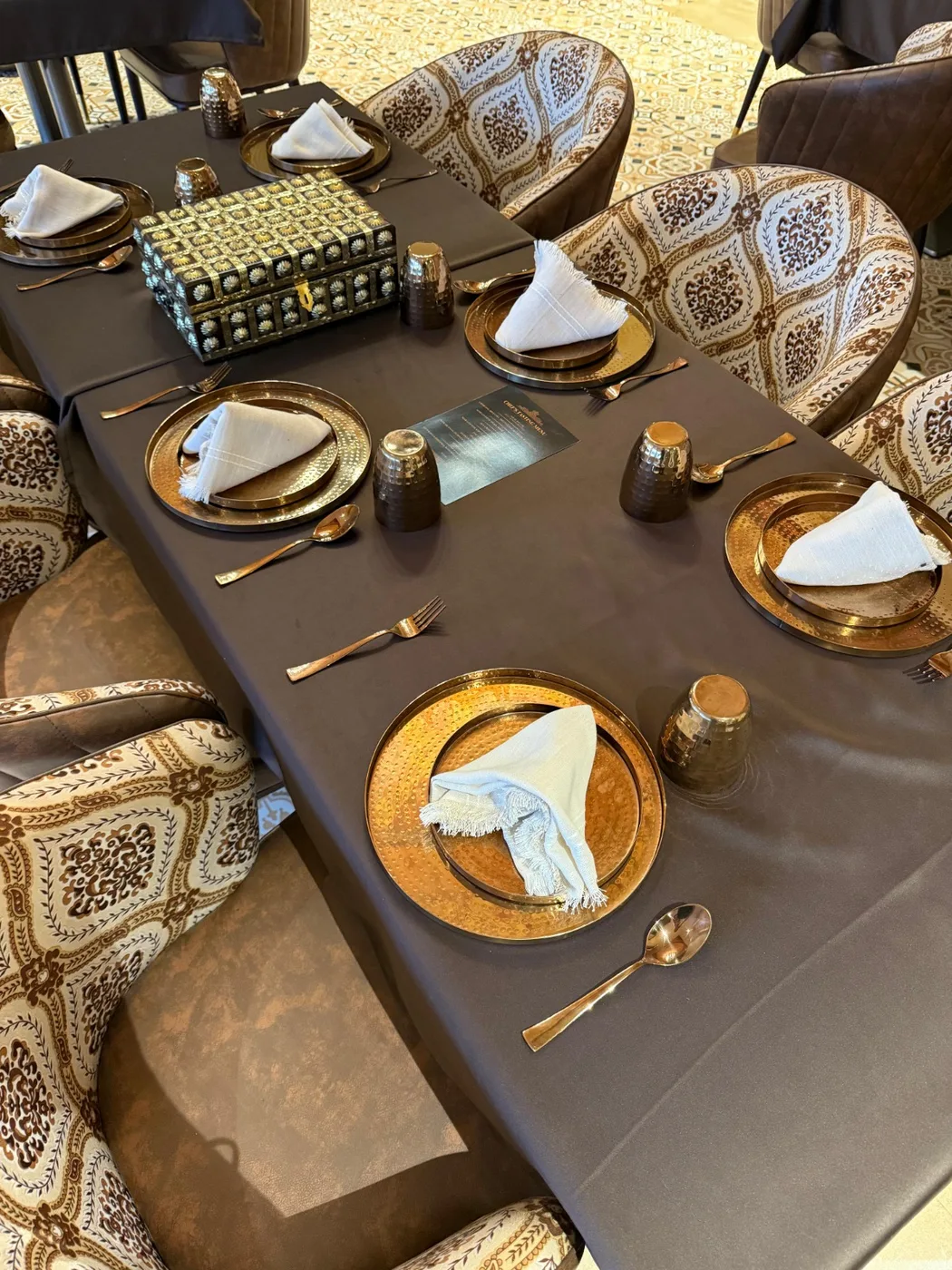
Agra Fort: A Visitor's Guide
A walled city, not a fort. Akbar's sandstone, Shah Jahan's marble, and the room where he watched the Taj for eight years.
Read the article
Jain-Friendly Dining in Agra: No Onion, No Garlic
No onion, no garlic, no root vegetables. Which Mughlai dishes adapt easily, which do not, and how to ask.
Read the article
How to Read the Tajnuma Menu
The section names on our menu are Persian and Urdu. Here is what each one means, and how to build a meal from them.
Read the article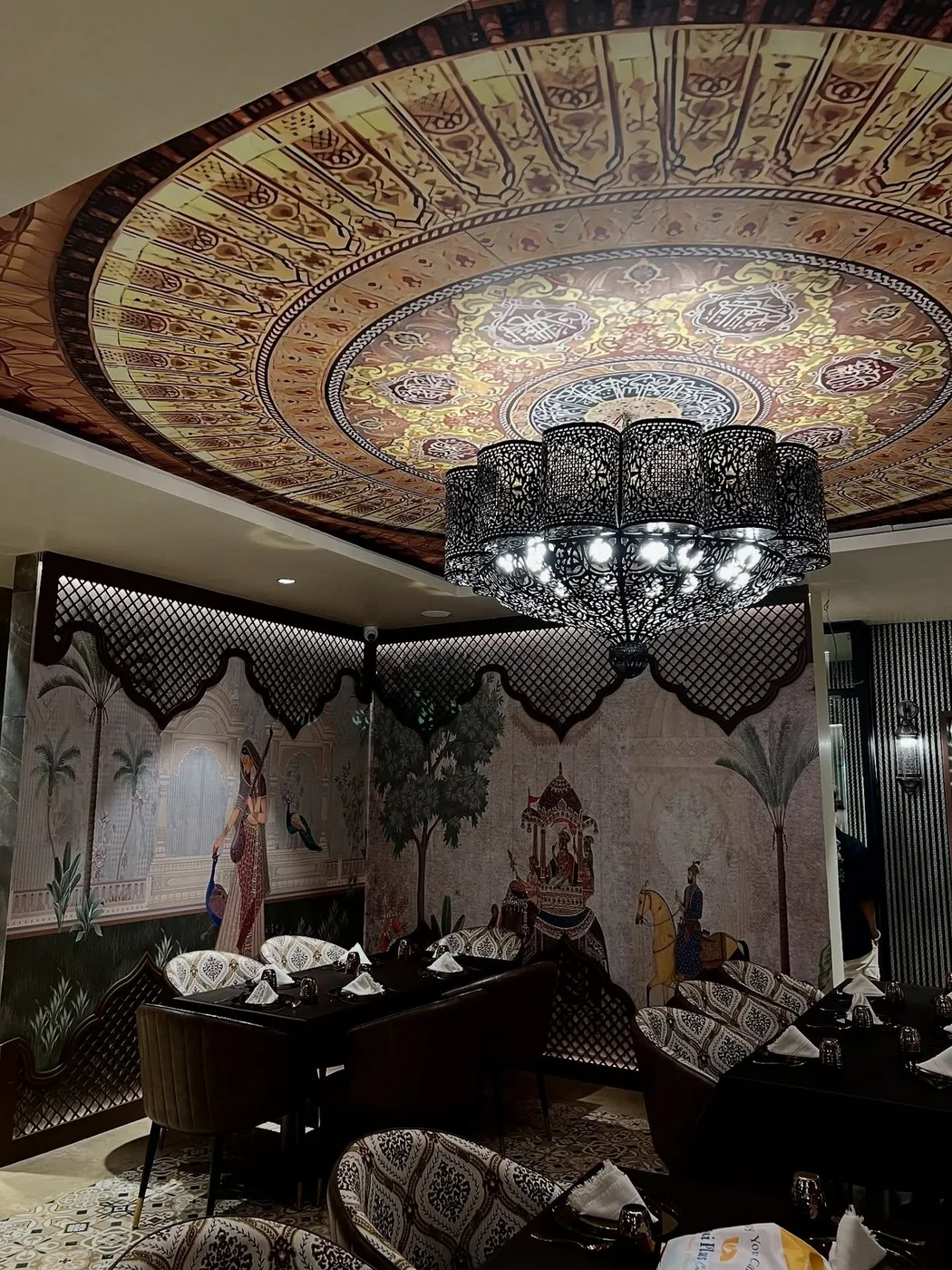
Mehtab Bagh: The Best Sunset View of the Taj Mahal
The whole Taj Mahal, across the river, in evening light, with almost nobody between you and it.
Read the article
The Royal Spice Box: 10 Spices of the Mughal Kitchen
Mughlai cooking is aromatic, not fiery. Ten spices do most of the work, and one famous one is missing.
Read the article
Two Days in Agra: A Complete Itinerary
One day is enough to see the Taj. Two is enough to see Agra. A day-by-day plan, with the Friday closure built in.
Read the article
Where to Eat After Visiting the Taj Mahal
A sunrise visit ends at breakfast time, a late one at lunch. What to eat, and where, depending on when you come out of the gate.
Read the article
An Entirely Vegetarian Kitchen: What It Means at Tajnuma
Not a vegetarian menu alongside a meat one. What it actually means when there is no meat, fish or egg in the building.
Read the article
Itimad-ud-Daulah: A Guide to the Baby Taj
Smaller than the Taj, older than the Taj, and in some ways more beautiful. The tomb that taught Agra to build in marble.
Read the article
Mughal Desserts: Shahi Tukda, Phirni, Zarda and Kulfi
Milk, saffron, cardamom and patience. The desserts of the Mughal table, and which ones you can still order.
Read the article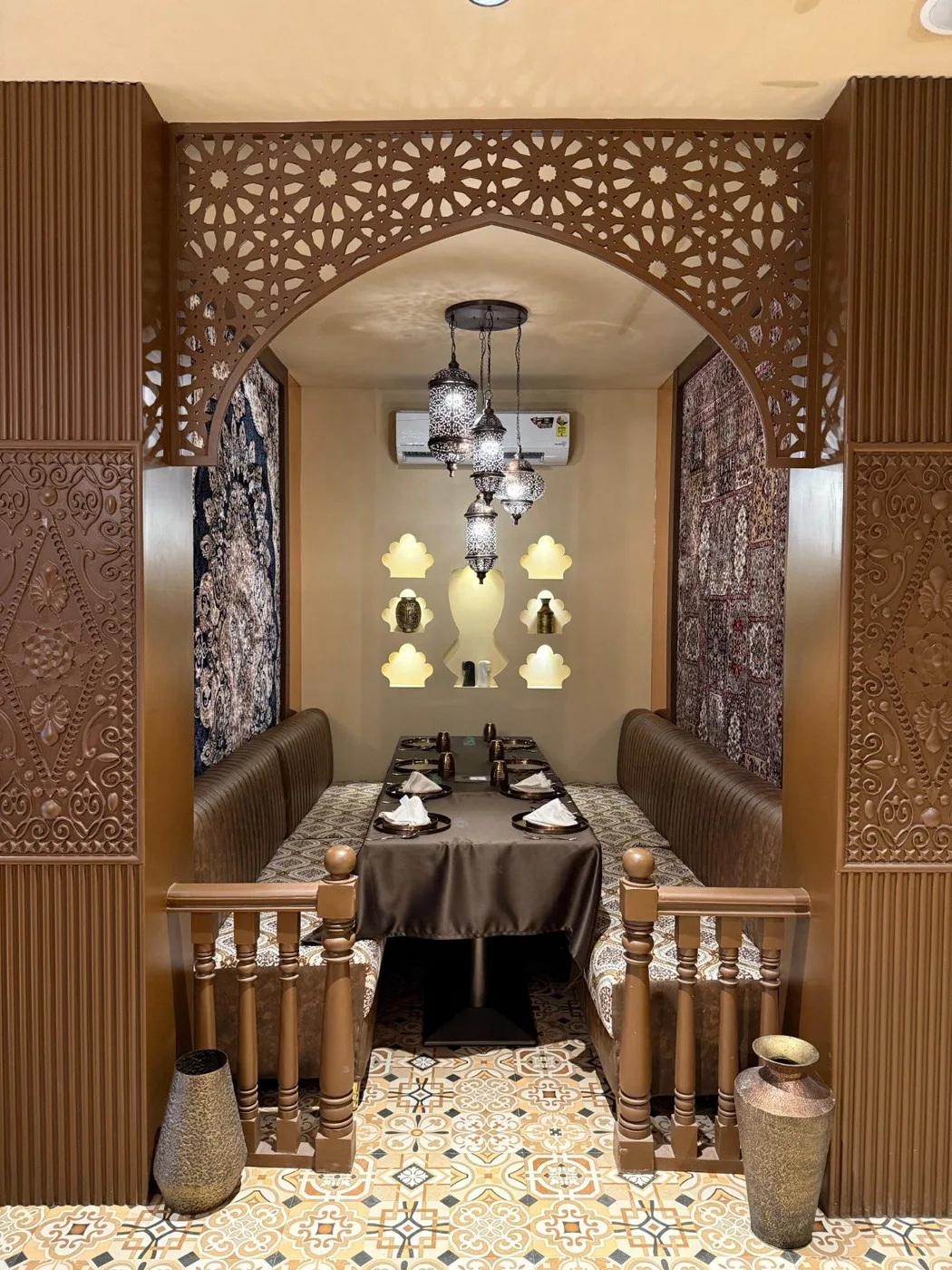
Delhi to Agra: Train, Car or Expressway?
Fast train or car on the expressway? How to choose, what to book, and whether a same-day trip is worth it.
Read the article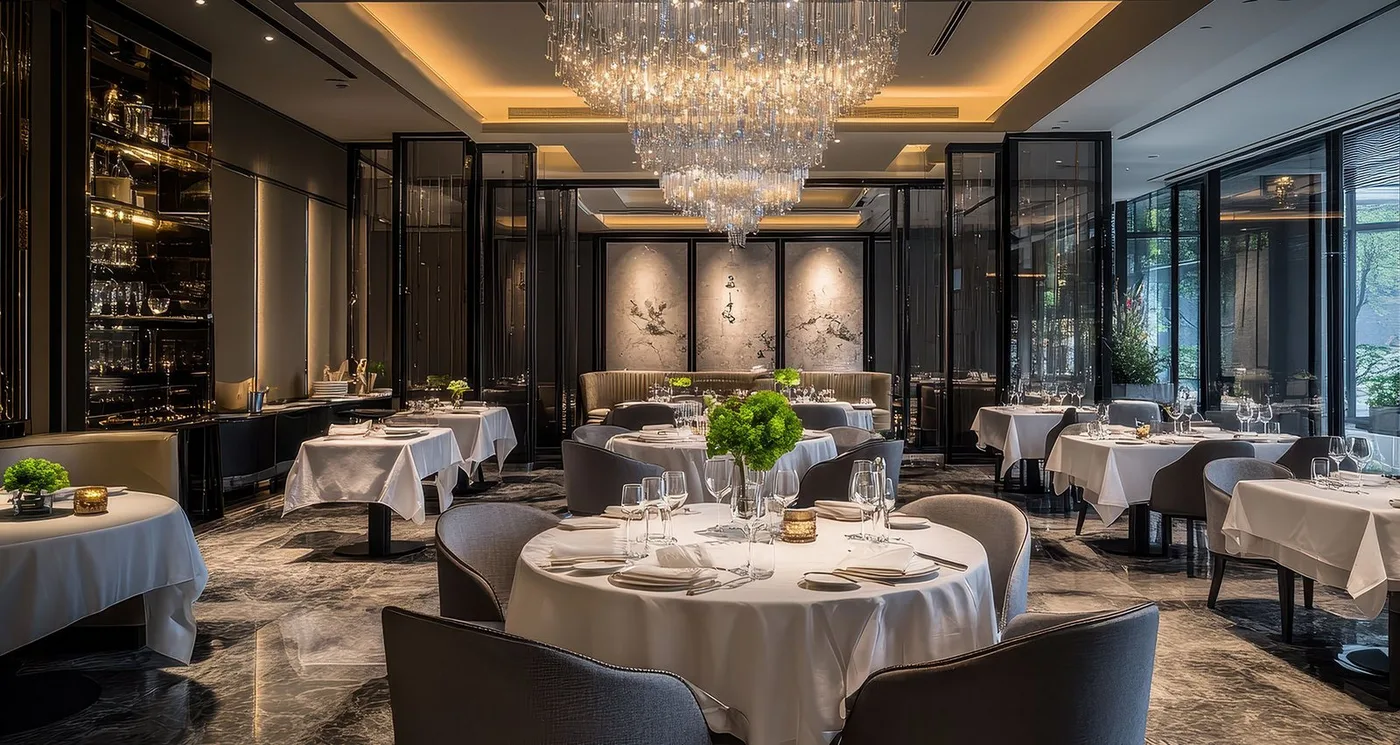
Chef Mukesh's Mughlai Tasting Menu, Course by Course
Eleven courses, from the amuse bouche to two desserts. What each one is, and why it sits where it does.
Read the article
Agra With Kids: A Family-Friendly Guide
Early starts, short visits, long lunches and a garden to run around in. How to do Agra with children without anyone melting down.
Read the article
From Persia to Agra: How Mughlai Cuisine Was Born
Pulao, naan, kebab, sherbet. Which parts of the Mughlai table came from Persia, which came from India, and which came later.
Read the article
Agra Shopping Guide: Marble Inlay, Zardozi and Leather
Marble inlay, zardozi, leather and petha. What is worth buying in Agra, how to tell good from bad, and the shopping trap to avoid.
Read the article
The Room: Inside Tajnuma's Mughal-Inspired Dining Room
Arches, carved screens and Mughal-era artwork. A short walk through the room, and what each part of it borrows from.
Read the article
The Mughal Kitchen: What the Emperors Actually Ate
The Mughal kitchen was an administered department with its own accounts, not a legend. Here is what the records say the emperors ate.
Read the article
Why Vegetarian Mughlai Is Not a Contradiction
The assumption is that Mughlai means meat. The court's own records, its Jain visitors and its Rajput households all say something more interesting.
Read the article
Dastarkhwan: How a Mughal Feast Was Served
A Mughal meal was not a sequence of courses. It was a spread, laid on a cloth, and the cloth gave the whole thing its name.
Read the article
Petha: Agra's Own Sweet
Translucent, candied and everywhere in Agra. What petha actually is, which kind to buy, and why the Taj Mahal story attached to it is a legend.
Read the article
Beyond the Taj: Agra's Quieter Monuments
Almost everyone gives Agra one monument and one day. The city has four more worth the time, and they are all quieter than the Taj.
Read the article
Fatehpur Sikri: The Half-Day Trip From Agra
Akbar built a capital, used it for about fourteen years, and walked away. It is roughly 40 km from Agra and largely intact.
Read the article
One Day in Agra: A Sunrise-to-Dinner Itinerary
Most visitors get one day in Agra. Here is how to spend it without spending half of it in a queue or in the afternoon heat.
Read the article
Visiting the Taj Mahal: Hours, Closed Days and What to Know
The Taj Mahal is closed on Fridays, opens at sunrise, and will turn you away at the gate over a tripod. The rest of what is worth knowing before you go.
Read the article
The Best Time to Visit Agra, Season by Season
October to March is the easy answer. The more useful answer depends on whether you mind heat, crowds, fog, or paying peak-season rates.
Read the article
A Vegetarian's Guide to Eating in Agra
Agra is one of the easier Indian cities to eat vegetarian in. Knowing the vocabulary, and the local specialities, makes it easier still.
Read the article
12 Vegetarian Mughlai Dishes to Try in Agra
Mughlai cooking has a vegetarian repertoire far older and deeper than the menus suggest. Twelve dishes to order, and what each one actually is.
Read the articleVisit Tajnuma
2nd Floor, Jobaaj Complex, Fatehabad Road, opposite Howard Plaza, Bansal Nagar, Tajganj,
Agra, Uttar Pradesh 282001
Open every day, 12:00 pm – 12:00 am
Reservations: +91 90688 89658