Agra sits in the heart of India's wheat belt. Rotis, naans, parathas, puris and kachoris arrive with almost every meal, and wheat flour turns up in places a visitor would never think to look. For anyone with coeliac disease or a wheat allergy, that sounds like bad news. It is not hopeless: a lot of north Indian food is built on rice, lentils, chickpeas and vegetables. You just have to know where the traps are. This is general guidance, not medical advice — always confirm with the kitchen.
In this article
Learn the Flour Words
Menus and labels use Hindi names for wheat products. These are the ones to watch for:
- Gehun — wheat.
- Atta — wholewheat flour, used for roti and paratha.
- Maida — refined wheat flour, used for naan, bhatura, many sweets and fried snacks.
- Suji or rava — semolina, which is wheat. Common in halwa and some batters.
- Dalia — cracked wheat.
Barley (jau) is less common but worth knowing too.
The Hidden Traps
Hing. Asafoetida is used in many dals and vegetable dishes, and most of what is sold is compounded with flour, often wheat. A dish with no visible wheat can still contain it this way — ask specifically.
Thickeners. Some gravies are thickened with flour rather than nuts or onions. Fried snacks. Even snacks made from gram flour may be fried in oil shared with wheat items, and some batters mix flours. Sweets. Many are milk-based, but others contain maida or suji, and the dessert you assume is safe may be finished on a wheat bread, as with shahi tukda.
What Is Naturally Wheat-Free
The good news is a long list of staples that do not need wheat at all:
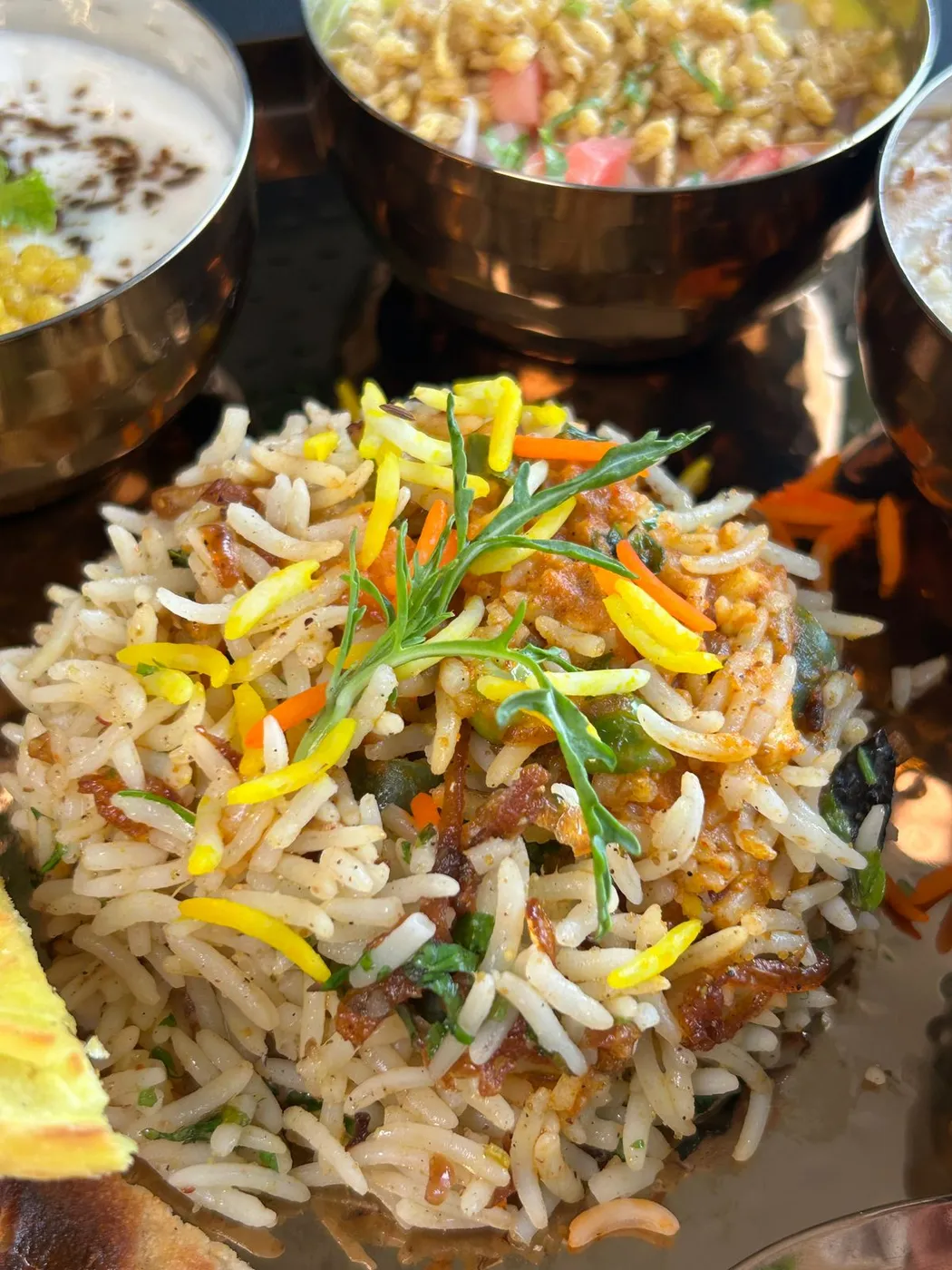
- Rice — plain, jeera rice, pulao and biryani are built on it.
- Dal — lentils, though check the hing and the tempering.
- Besan — gram flour, made from chickpeas.
- Millets — bajra, jowar and ragi, traditional grains of the region.
- Paneer, curd and raita — dairy dishes, usually without flour.
- Tandoori dishes — marinated and grilled, though marinades vary.
“Naturally” is the key word. Every one of these can pick up wheat in a particular kitchen, so treat them as the place to start the conversation, not the end of it.
Cross-Contact Is the Real Problem
In most Indian kitchens wheat flour is everywhere: dusted on counters for rolling bread, in the air near the tandoor, in shared fryers. For someone who is mildly intolerant this may not matter. For someone with coeliac disease it can.
Street food is the hardest place to stay safe, because ingredients and oil are shared and stalls rarely know the composition of their spice blends. Sit-down restaurants are easier, because you can talk to the kitchen. Our general advice on eating in Agra applies too.
Carry a Card
Many coeliac travellers carry a printed card in Hindi and English explaining the condition: that they cannot eat wheat, barley, atta, maida or suji, that this includes hing mixed with flour, and that food must not touch surfaces or oil used for wheat. Showing it is clearer than explaining across a counter, and it gets passed to the cook rather than relayed.
If you are staying in a hotel, the kitchen there is often the most flexible ally you have.
Eating Gluten-Free at Tajnuma
Tell your server about any allergy or intolerance before you order, and say how strict you need to be. The kitchen will tell you what it can safely prepare and how. Our breads are wheat, and some sauces, spice blends and desserts may contain wheat, so please do not assume a dish is gluten-free from its name.
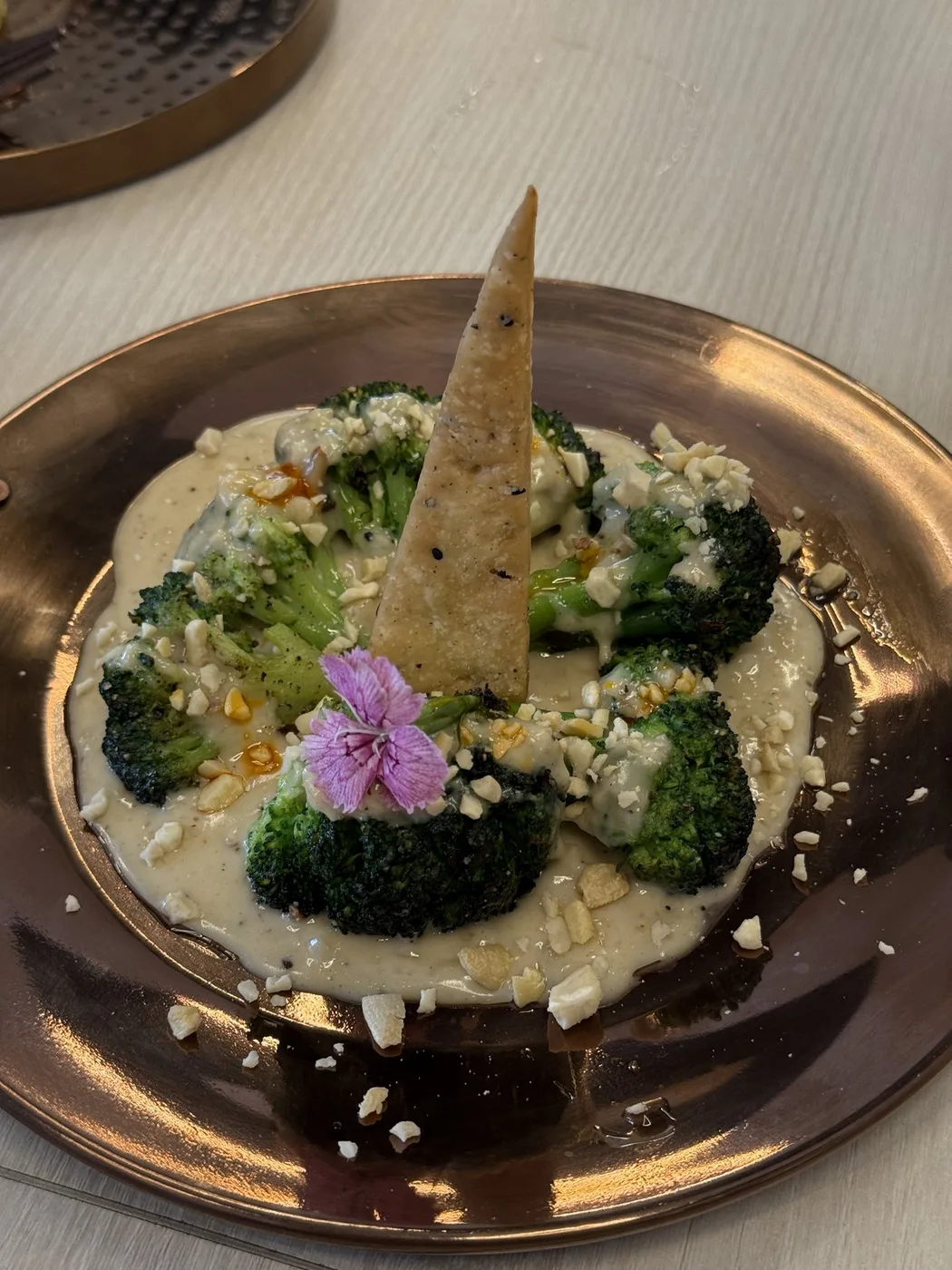
Dishes built on rice, lentils, curd and grilled vegetables or paneer are the natural place to start that conversation, and the server can check each one with the kitchen. Our guide to reading the menu explains how it is laid out.