Guests open our menu and meet a run of names — Aghaz-e-Taj, Dastan-e-Dawat, Dam-e-Shahi — before they meet a single dish. Every section has an English label beside it, so nobody needs a dictionary to order. But the names are not decoration. They come from Persian, the court language of the Mughals, and read in order they describe the shape of a meal.
In this article
First, the Name on the Door
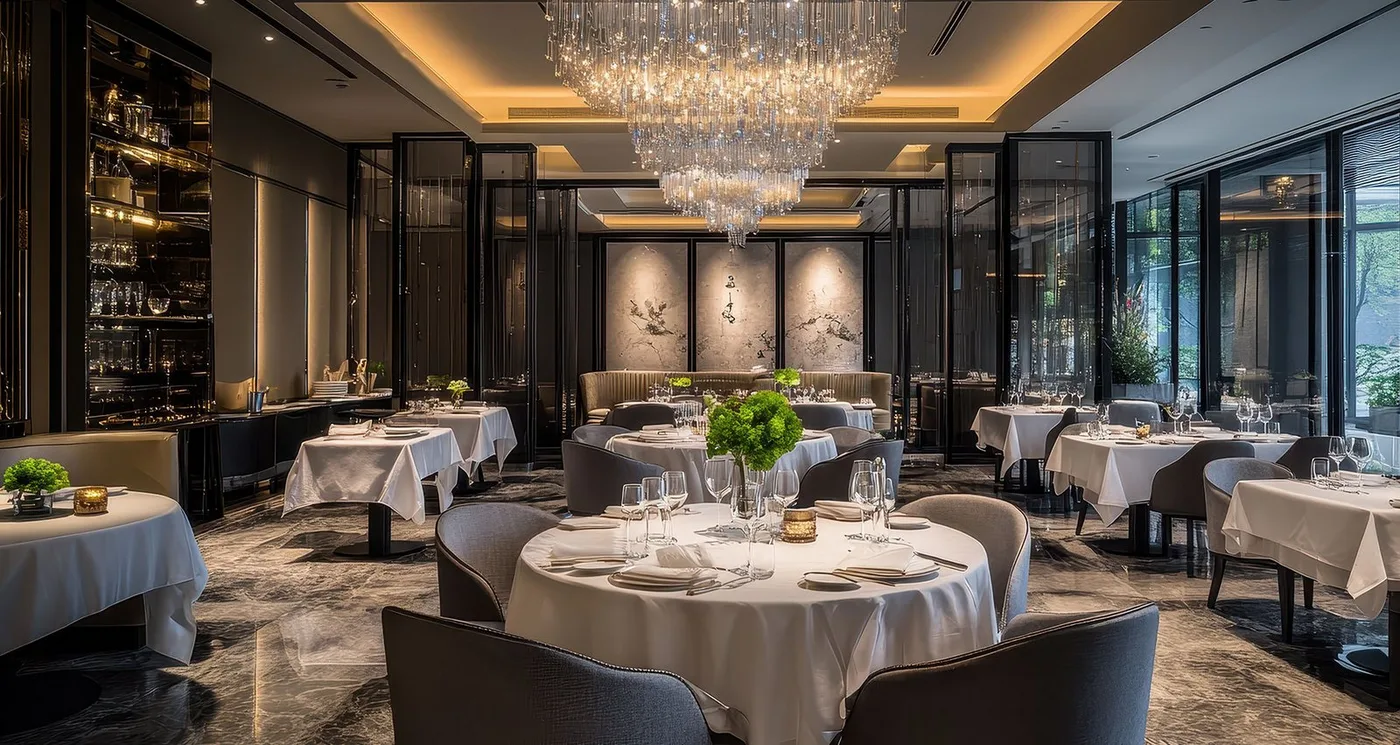
Taj is the Persian word for a crown, which is also where the Taj Mahal gets its name. -numa is a Persian suffix meaning “showing” or “in the likeness of”, the same ending you find in Jahan-numa, “world-showing”. Tajnuma, then, is something that shows or reflects the crown. In a restaurant that sits in the neighbourhood the Taj Mahal stands in, we did not think the name needed much more explaining than that.
You will notice that Taj turns up again and again inside the menu, too. It is the thread that ties the sections together.
Shorba-e-Taj and Aghaz-e-Taj: The Opening
Shorba-e-Taj is the soup section. Shorba is a Persian word for soup or broth, and it travelled widely — versions of it are used from Turkey to India. Ours are light and aromatic: mushroom malai, moringa, and a tomato and coriander shorba.
Aghaz-e-Taj means, roughly, “the beginning of the crown”. Aghaz is Persian for a start or an opening, and this is the starters and kebabs section — dahi ke kebab, the galoutis, paneer tikka two ways, kathal-e-achari tikka and more, most of them coming off the tandoor.
Shahi Chaat: The Street, Made Royal
Shahi means royal. Shahi Chaat is the one section that deliberately looks away from the court and towards the street: Delhi aloo tikki, Sindhi dal pakwan, Banarasi tamatar ki chaat, Mumbai pav bhaji and Agra's own chole with tawa bhatura. The idea is in the name — street food, given the care a royal kitchen would give it. The same dishes make up our Indian street food tasting menu.
Dastan-e-Dawat and Dam-e-Shahi: The Heart of the Meal
Dastan-e-Dawat is the main course. A dastan is a tale or a long story — the word gave its name to a whole tradition of oral storytelling in Urdu — and a dawat is a feast, or an invitation to one. “The story of the feast” is where the koftas, the curries and Dal Tajnuma live.
Dam-e-Shahi is the biryani section. Dam (often written dum) literally means breath, and in the kitchen it means cooking in a sealed pot so the steam and aroma stay inside. It is the technique our biryanis are finished with. “Royal dum”, in other words.
Pesh-e-Taj and Nan-o-Roti: What Goes Alongside
Pesh means “in front” — what is set before you. Pesh-e-Taj gathers the rice, raitas and accompaniments: pulao, burani raita, masala papad, and the Zafrani Zarda Pulao, a saffron sweet rice that belongs as much to the dessert tradition as to the rice one.
Nan-o-Roti needs the least translation: breads. The ones to know are the Tajnuma Khameeri Naan, a leavened bread; sheermal, faintly sweet and made with milk; and the laccha paranthas, built up in flaky layers.
Shirini-e-Taj and Jaam-e-Tajnuma: The Close
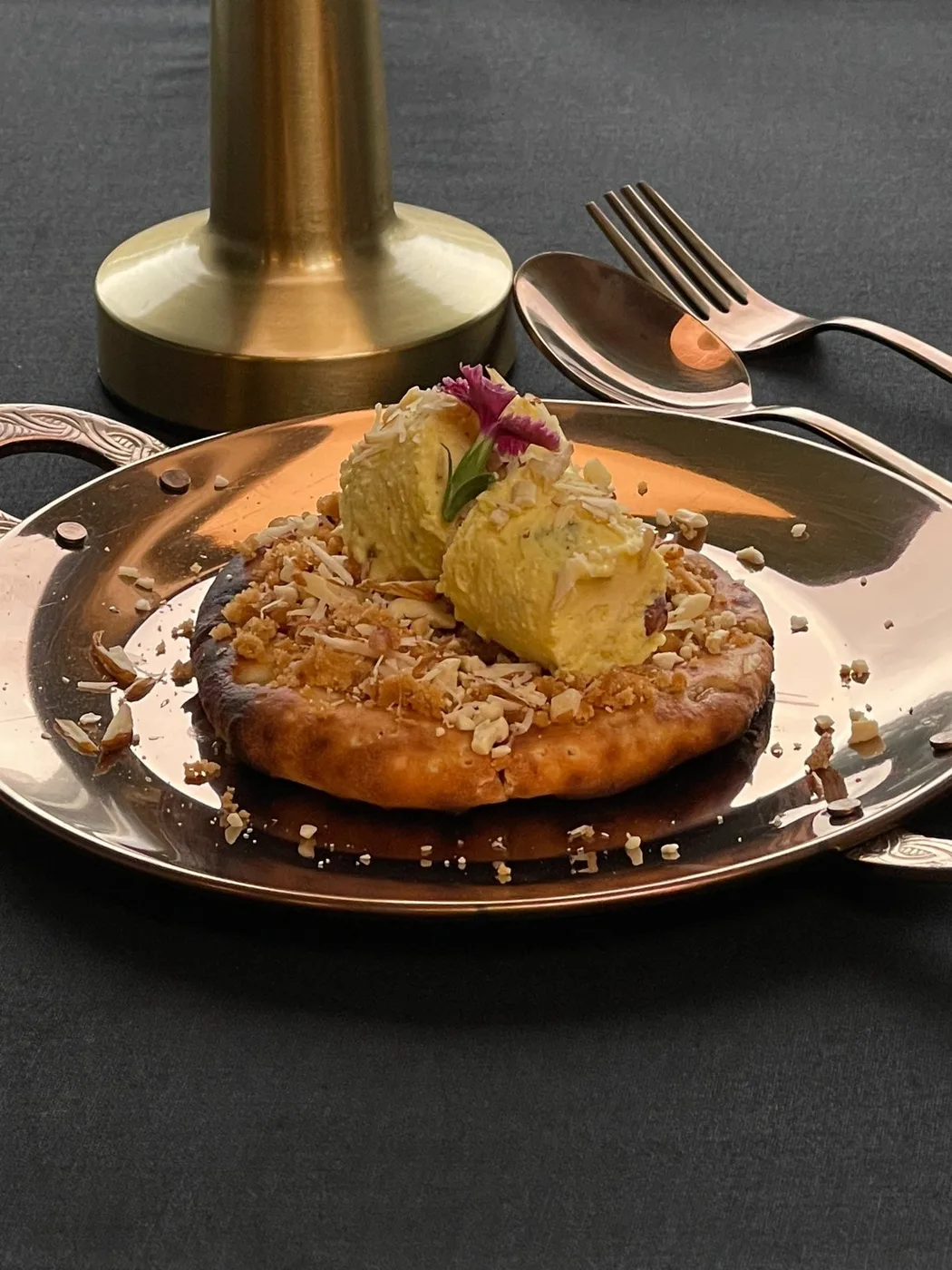
Shirin is Persian for sweet, and Shirini-e-Taj is the dessert section: Shahi Tukda Taj-e-Zaika, Daulat ki Chaat, Mawa Sheermal with malai kulfi, and Mawa Baati. We have written separately about where these desserts come from.
A jaam is a cup or goblet, a word that turns up constantly in Persian and Urdu poetry. Jaam-e-Tajnuma is the drinks list — lassis, smoothies, shakes and mocktails. The kitchen is entirely vegetarian and the list is non-alcoholic.
Putting a Meal Together
Read in order, the sections are the meal: a shorba or a kebab to open, a chaat if you want something sharp, one or two dishes from Dastan-e-Dawat, a biryani or a bread, and something from Shirini-e-Taj to finish. For two people, two starters, two mains, a bread basket and one dessert to share is usually the right amount.
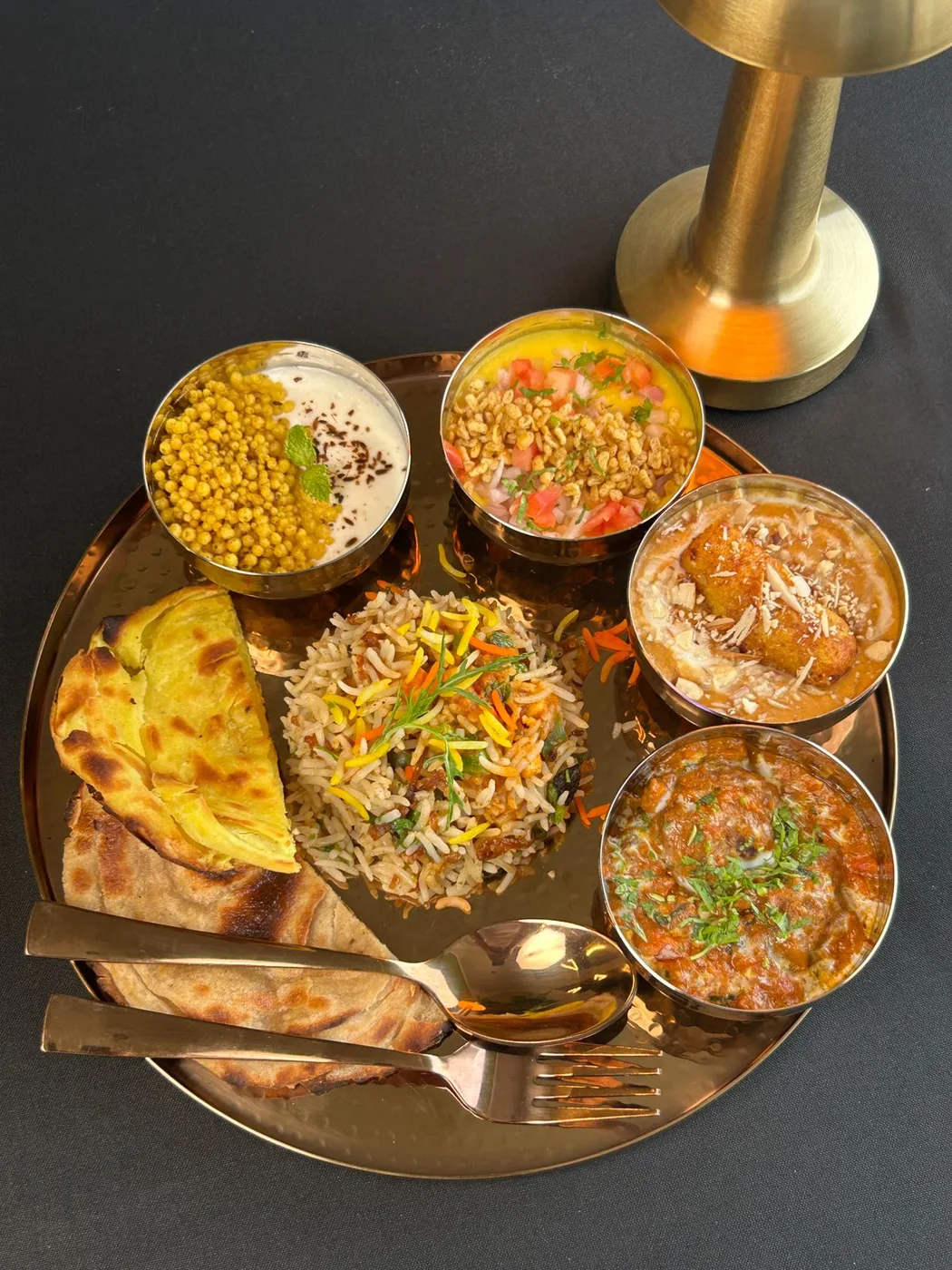
If you would rather not choose at all, the tasting menus and the Mughlai Thali make the choices for you. Everything is on the full menu with current prices.