Mughlai food has a reputation as meat cooking, which does it a disservice. The court kitchens of Agra worked in lentils, curd, paneer, gourds and nuts as seriously as anything else, and much of what survives — the kebabs, the slow-cooked dals, the whole dessert tradition — is vegetarian by origin rather than by adaptation. Here are twelve worth ordering, all of them on our menu.
In this article
Start With the Kebabs
1. Dahi ke kebab. Hung curd, spiced and set, given a crisp golden crust and a centre that collapses the moment you cut it. The best possible argument that a kebab never needed meat.
2. Mushroom galouti. Galouti is the famously melting minced kebab of the Mughal table, and the mushroom version keeps the texture exactly — ours is scented with truffle and served with a flaky khasta parantha to fold it into. There is a rajma galouti too, earthier and more robust.
3. Paneer tikka. The tandoor dish everyone knows, and worth ordering somewhere that takes it seriously. We do two: one marinated in basil pesto, one stuffed with mawa and served with chimichurri.
4. Kathal-e-achari tikka. Jackfruit in a mustard-led pickling masala, slow-grilled. Jackfruit holds smoke and spice better than almost any vegetable, and this is the dish that usually converts sceptics.
The Chaat Course
5. Banarasi tamatar ki chaat. A north Indian street classic — spiced tomatoes, crisp methi mathi — served in our kitchen with burrata over the top. Sharp, hot and creamy at once.
6. Sindhi dal pakwan. Slow-tempered chana dal with crisp fried crackers to break over it, plus chutneys, onion and tomato. A breakfast dish by origin and a very good first course.
7. Agra wale chole with tawa bhatura. The local version of chole bhature: heavily spiced chickpeas, buttery griddled bhatura, pickled onion and a blistered green chilli. If you order one thing from the street food repertoire, order this.
The Main Course
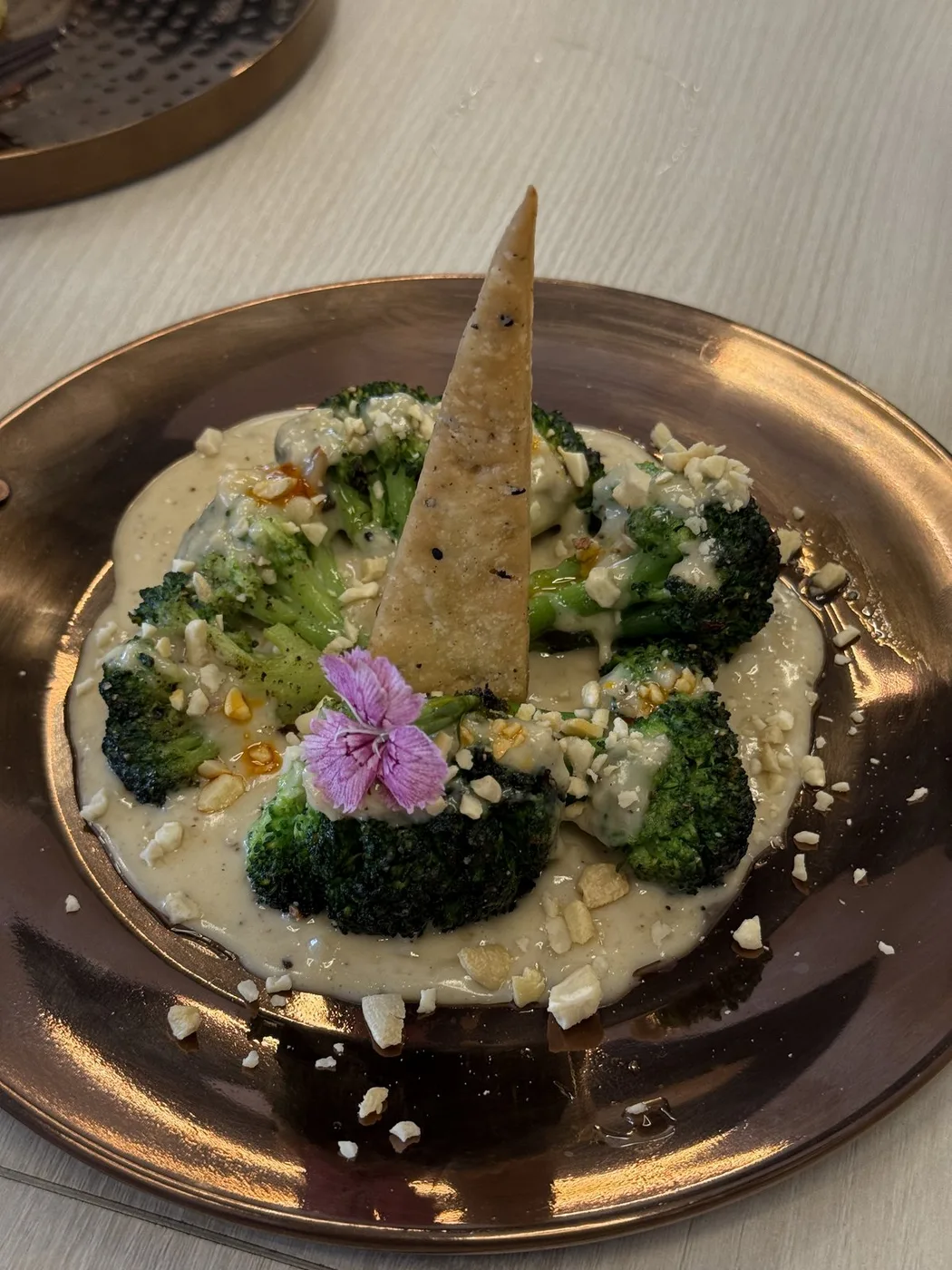
8. Dal, cooked slowly. Black lentils simmered for hours into something dark and creamy — ours is Dal Tajnuma. It is the dish to judge a Mughlai kitchen by, because it cannot be hurried and there is nowhere to hide.
9. Shahi kaju curry. Cashews in a velvety, aromatic gravy. Unapologetically rich, and about as close to the court cooking of the period as a vegetarian main gets.
10. Kofta. Dumplings in gravy, and a genre rather than a dish: mawa paneer kofta in a deep brown gravy, or khajur mirchi kofta, where dates and green chilli play off each other.
11. Biryani. Layered, sealed and finished under dough so the aromatics stay in the pot. The vegetarian versions — paneer tikka, malai soya chaap, or seasonal jackfruit — are cooked the same way as any other. Order a raita with it, not a gravy.
And with all of it: breads. Khameeri naan, the leavened Mughlai bread; sheermal, faintly sweet and enriched with milk; or a pudina laccha parantha in layers.
Do Not Skip the Dessert
12. Shahi tukda, and daulat ki chaat. Shahi tukda is fried bread soaked in reduced sweetened milk — the Mughal kitchen's bread pudding, and much better than that makes it sound. Daulat ki chaat is the rarer one: a saffron-scented milk foam, whipped until it is barely there, traditionally a winter speciality of the north Indian street and difficult enough to make that few kitchens attempt it.
If you want the sweet Agra is actually famous for, that is petha — candied ash gourd, sold everywhere near the monuments. More on it in our guide to eating vegetarian in Agra.
How to Order All of It at Once
Twelve dishes is more than one table can reasonably eat. If you want the arc of the cuisine in a single sitting, Chef Mukesh's Mughlai tasting menu runs through it in courses, and there is a second tasting menu built entirely from Indian street food. A Mughlai thali covers the same ground more simply.
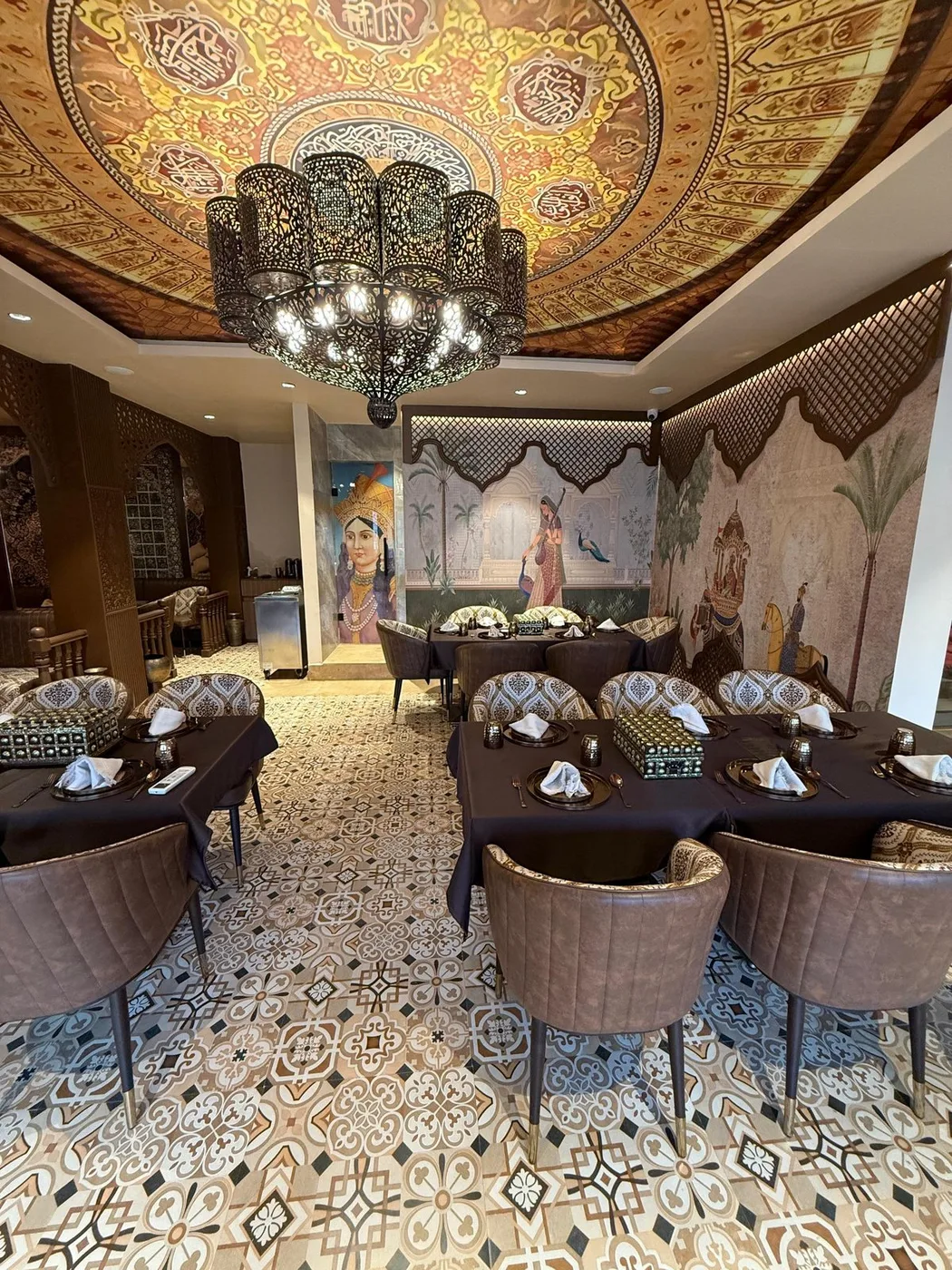
Everything above is on the Tajnuma menu, with current prices. The kitchen is entirely vegetarian, Jain preparations are available on request, and we serve from 12:00 pm to 12:00 am every day at 2nd Floor, Jobaaj Complex, Fatehabad Road, opposite Howard Plaza, Tajganj.