North of Agra, up the Yamuna and on the road to Delhi, are two of the most visited pilgrimage towns in India. Mathura is revered as the birthplace of Krishna and Vrindavan as the place where he spent his childhood. Neither is a monument with a ticket window. They are crowded, working temple towns, and a day there is nothing like a day at the Taj Mahal.
In this article
Two Towns, One Story
Mathura and Vrindavan sit a short drive apart on the Yamuna, at the centre of the region called Braj, where the stories of Krishna's early life are set. Pilgrims come all year, and in very large numbers at Janmashtami, which marks Krishna's birth, and at Holi, which is celebrated here over many days.
Mathura is also far older than its present temples. It was a major city in the early centuries of the Common Era, under the Kushan rulers, and an important centre of Buddhist and Jain as well as Hindu life.
Mathura: The Birthplace, the Ghats and the Museum
The Shri Krishna Janmasthan temple complex marks the place regarded as Krishna's birthplace and is the main reason most people come. Security is strict; expect to leave phones, cameras and bags in the lockers outside.
Vishram Ghat is the principal bathing ghat on the Yamuna, where tradition says Krishna rested, and where lamps are offered to the river at the evening aarti. The Dwarkadhish Temple, built in the early nineteenth century, is in the bazaar close by.
The Government Museum is the stop most visitors miss. It holds sculpture of the Mathura school, carved in the local red sandstone during the Kushan and Gupta periods, including some of the early images of the Buddha made in India.
Vrindavan: A Town of Temples
Vrindavan has temples on almost every lane. Three or four are enough for one visit.
The Banke Bihari Temple is the most popular and the most crowded; the curtain before the image is drawn and opened again every few moments, and the crush in the hall is real. The Govind Dev Temple is the one to see for its architecture: a great red sandstone hall built in 1590 by Raja Man Singh of Amber, one of Akbar's leading nobles, in the same years and the same stone as Fatehpur Sikri.
The Krishna Balaram Temple of ISKCON draws devotees from around the world, and Prem Mandir, a modern white marble temple, is lit up after dark and busiest in the evening.
Temple Etiquette and the Monkeys
Dress modestly, with shoulders and knees covered. Shoes come off at every temple. Photography is not allowed inside many of them; look for the signs and ask if you are unsure.
You will be approached by men offering to guide you or to arrange a special darshan or a donation. Decline politely and keep walking, and give only at the official counters.
Vrindavan's monkeys are well known for snatching spectacles, phones and bags of food. Take your glasses off or hold on to them in the lanes, and carry nothing edible in your hands.
Food in Braj
Both towns are overwhelmingly vegetarian, and much temple food is cooked without onion or garlic. The thing to take home is Mathura peda, a dense sweet of milk cooked down with sugar until it browns, sold by every sweet shop near the temples. It sits in the same family of milk sweets as much of the Mughal dessert tradition, and it travels better than most.
Planning the Day From Agra
Both towns are on the way from Agra to Delhi, by the old highway or by the Yamuna Expressway, so they can be a return day trip or a long stop on the drive between the two cities. Akbar's tomb at Sikandra is on the same road as you leave Agra. Mathura is also a major railway junction.
Most temples close for some hours in the middle of the day and reopen in the late afternoon. Timings vary by temple and by season, so check each temple's own notice or website before fixing a plan. A common pattern is Mathura in the morning, a long lunch break, and Vrindavan from late afternoon into the evening.
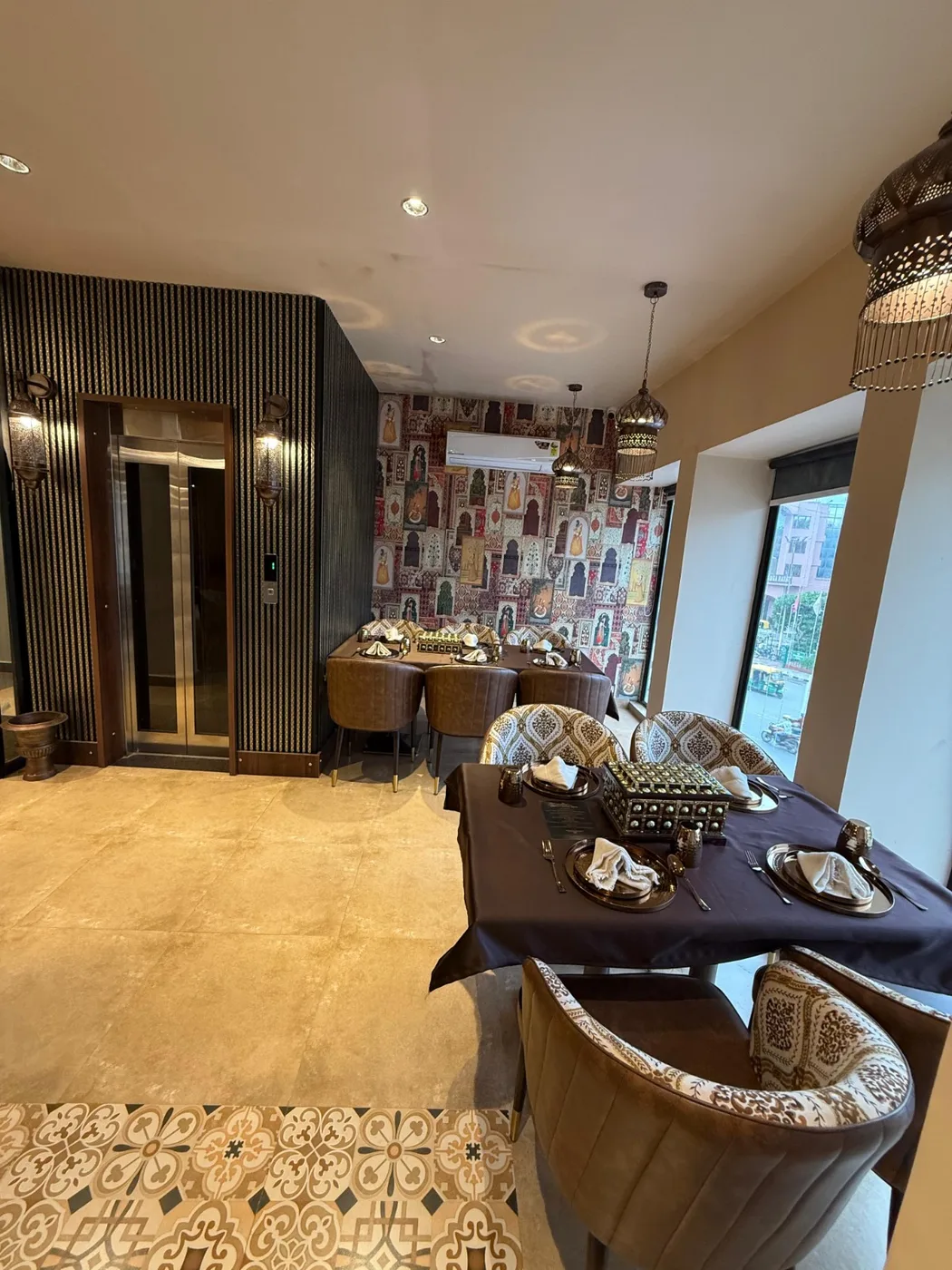
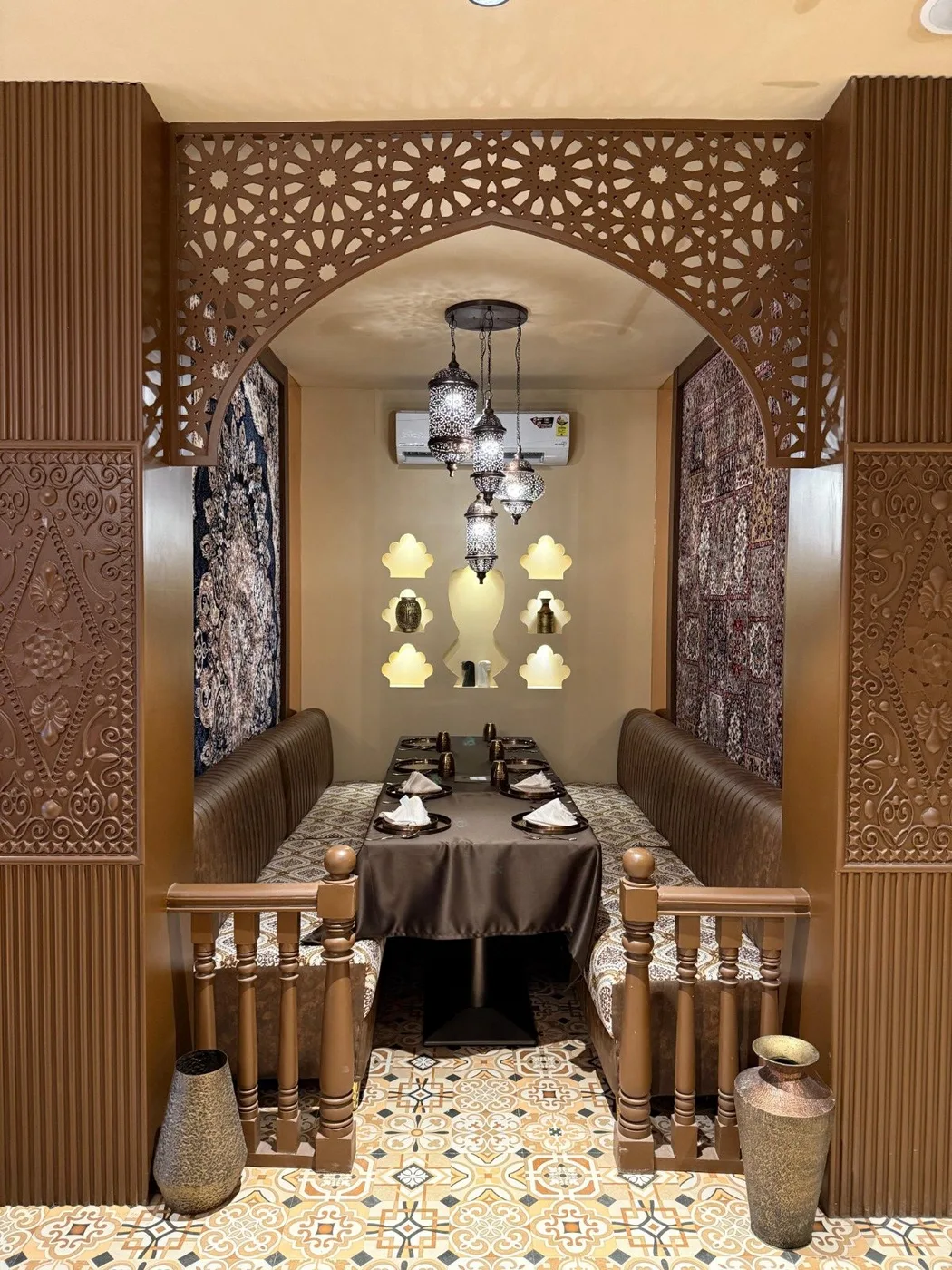
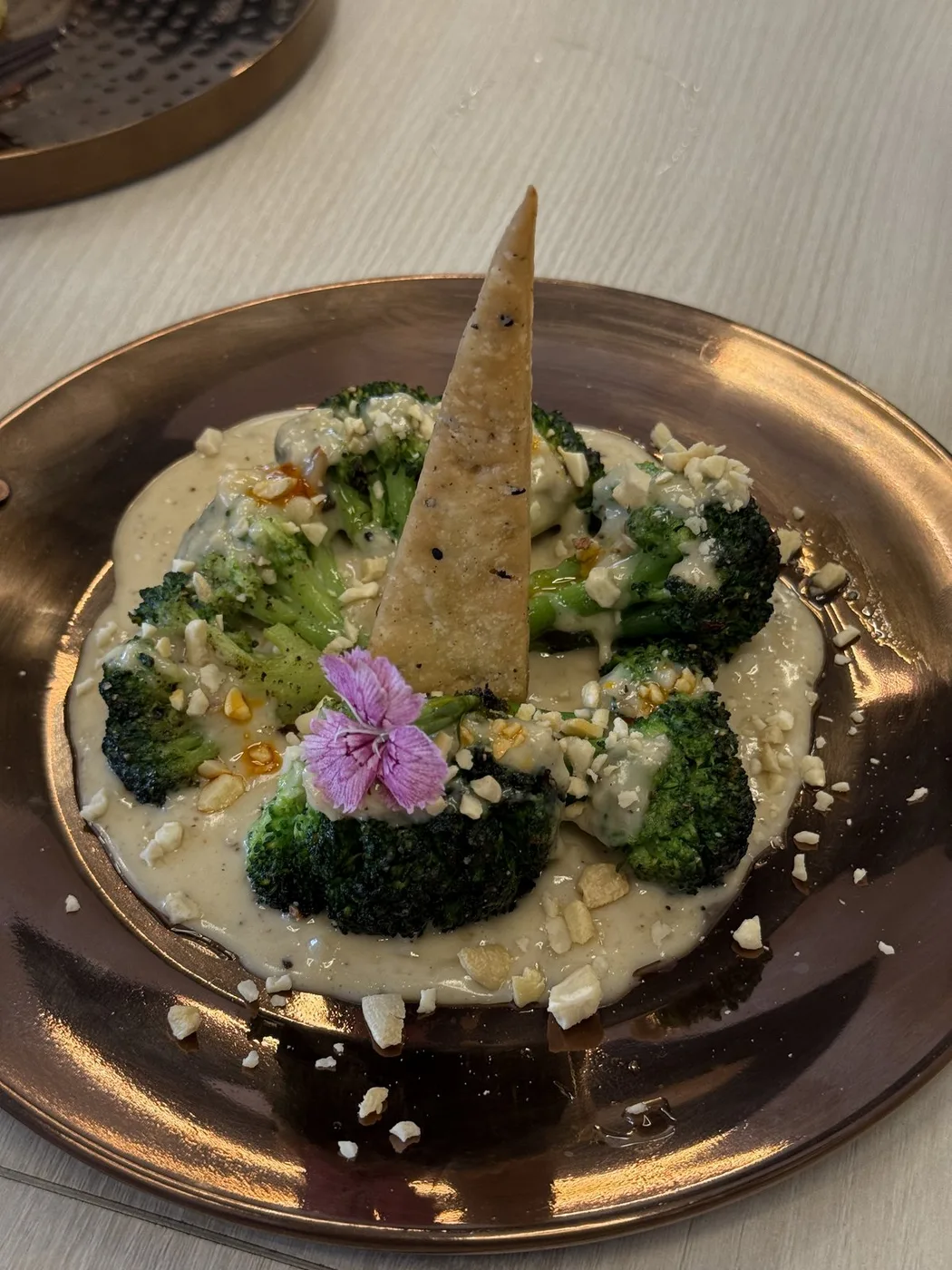
Avoid Holi and Janmashtami unless the festival is the reason you are going. If you are returning to Agra, Tajnuma serves pure vegetarian Mughlai food on Fatehabad Road until midnight.