Agra Fort is the monument most visitors rush, and the one that most rewards not rushing. It was the seat of the Mughal empire for much of its greatest century, and it holds in one place the whole arc of the story that ends at the Taj Mahal — including, in a marble tower on the river wall, its ending.
In this article
Akbar's Red Fort
There was a fort on this bend of the Yamuna before the Mughals. Akbar rebuilt it from the 1560s as his capital, in the red sandstone that gives it its colour, with double walls running for well over two kilometres around a crescent-shaped site on the river. It was not a garrison so much as a walled city: palaces, courts, mosques, gardens, stores and barracks.
Together with the Taj Mahal, it was inscribed as a UNESCO World Heritage Site in 1983.
Shah Jahan's Marble
Akbar's grandson Shah Jahan, the builder of the Taj Mahal, pulled down some of the sandstone buildings inside and replaced them with white marble palaces: the Khas Mahal overlooking the river, the Diwan-i-Khas, the hall of private audience, and the small, exquisite Nagina Masjid. The contrast between the two building campaigns, red and white, is one of the pleasures of the place.
The Diwan-i-Am, the hall of public audience, is where the emperor sat in state above the crowd to hear petitions. The Jahangiri Mahal, a large sandstone palace near the entrance, is one of the best surviving buildings from Akbar's time.
The Emperor's Last View
In 1658 Shah Jahan was deposed by his son Aurangzeb and confined in the fort. He spent the last eight years of his life there, and died in 1666. Tradition places him in the Musamman Burj, an octagonal marble tower on the river wall, looking downstream at the Taj Mahal, where his wife was buried and where he would be buried beside her.
It is the most affecting spot in Agra, and it is why it is worth seeing the Taj first and the fort after: the view means more once you have stood in the tomb.
What You Can and Cannot See
Visitors enter by the Amar Singh Gate on the south side. A large part of the fort, to the north, is still used by the Indian Army and is closed to the public, as are some buildings within the visitor area, such as the Moti Masjid. What is open is more than enough to fill a visit.
A good route: through the gate and up the ramp, Jahangiri Mahal, then the marble palaces along the river — Khas Mahal, the Musamman Burj, Diwan-i-Khas — and out through the Diwan-i-Am and its great courtyard.
Practical Notes
Allow two hours; one is not enough. Agra Fort is an Archaeological Survey of India site, and hours and ticket prices are set by the ASI and change, so check the official site. It does not share the Taj Mahal's Friday closure, which makes it a good Friday plan — but confirm before you go.
There is a lot of walking on stone ramps and open courtyards with little shade, so go early or late in the hot months and carry water. A licensed guide makes a real difference here, because the buildings are unlabelled and the stories are the point.
Before or After
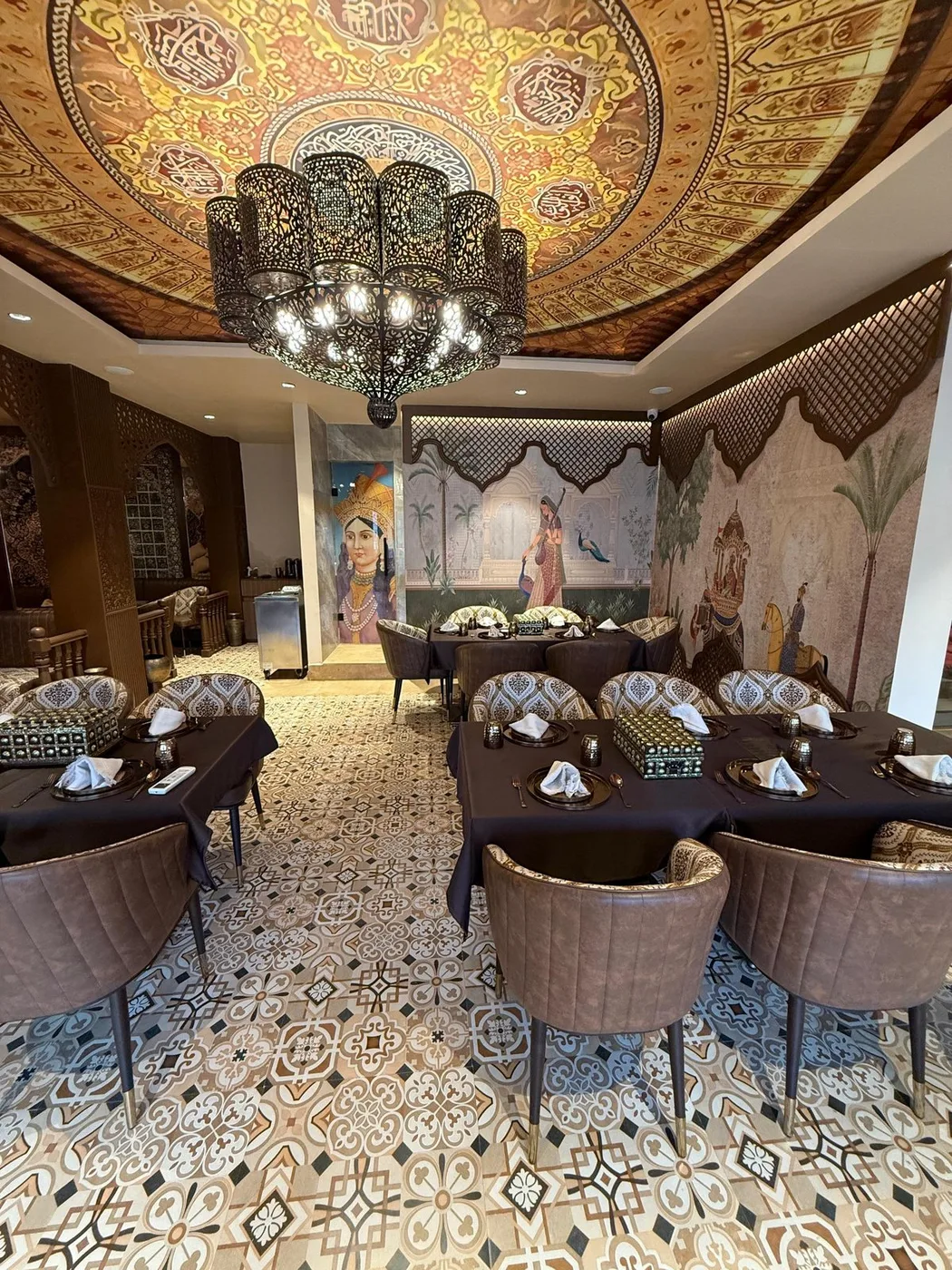
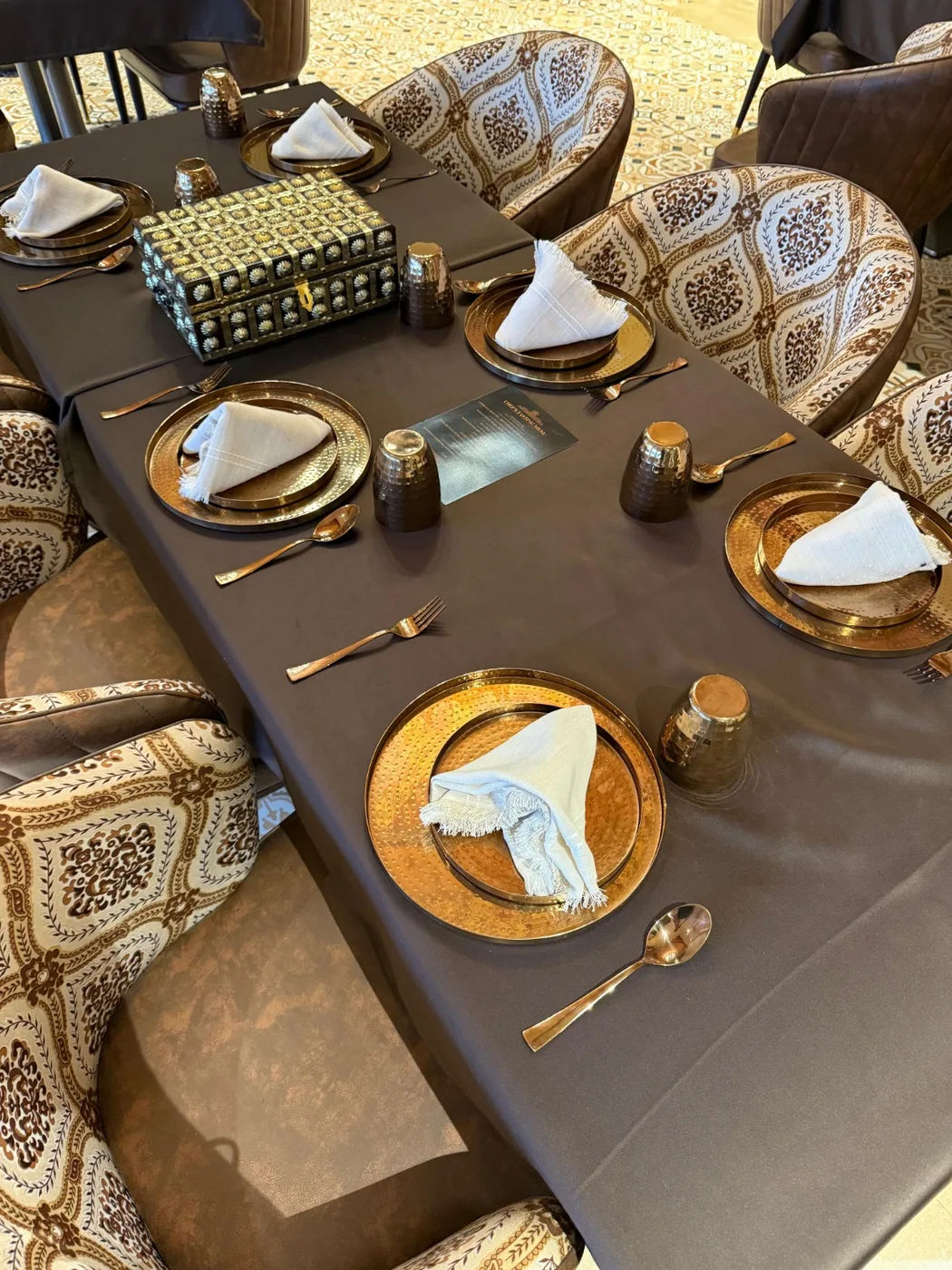
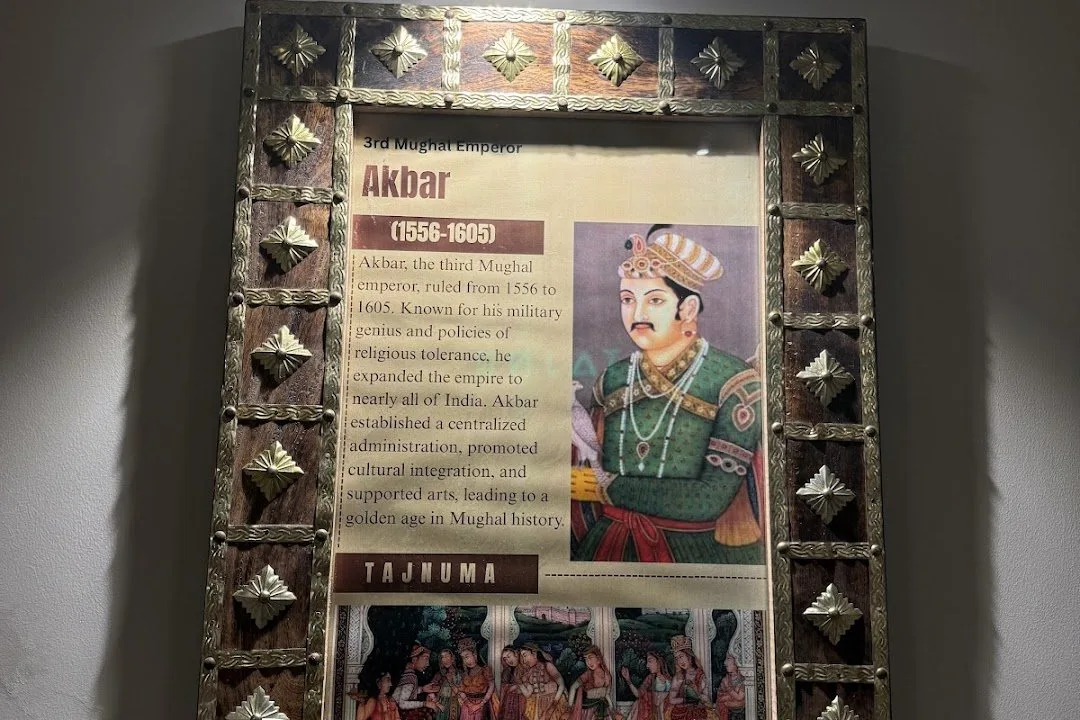
The fort fits naturally after a morning at the Taj Mahal, as in our one-day itinerary, or at a slower pace on a second day. Coming out at lunchtime, Tajnuma is on Fatehabad Road in Tajganj, open from 12:00 pm; see where to eat after the Taj.