Agra’s most famous building was made for a woman. Its most refined one was made by a woman. The tomb of Itimad-ud-Daulah, on the far bank of the Yamuna, was commissioned by the empress Nur Jahan for her father, and she is the more interesting of the two stories: for some years in the early seventeenth century, a good deal of the Mughal empire was run by her.
In this article
Mehr-un-Nissa
She was born Mehr-un-Nissa in 1577, at Kandahar, while her family was on the road from Persia to India. Her father, Mirza Ghiyas Beg, had left Persia to look for a position at the Mughal court. He found one under Akbar, and rose steadily.
She was first married to a Mughal officer known as Sher Afgan, who held a post in Bengal, and they had a daughter, Ladli Begum. Sher Afgan was killed in 1607. His widow came to court, where she served in the household of one of the senior royal women.
Empress
In 1611 she married the emperor Jahangir. She was in her thirties and he already had many wives. He gave her the title Nur Mahal, “light of the palace”, and later Nur Jahan, “light of the world”.
Later writers added a long romance to the beginning of the story, in which Jahangir had loved her for years and arranged her first husband’s death. Historians do not find support for that in the records of the time.
Power in Her Own Name
What the records do show is unusual enough. Imperial orders were issued under her name and seal. Coins were struck bearing her name alongside the emperor’s, which no other Mughal empress could claim. Her father was chief minister, her brother Asaf Khan held high office, and as Jahangir’s health declined, the three of them handled much of the business of the empire.
She did this from within the seclusion a royal woman was expected to keep, working through the men of her family and her own officials.
The Hunter and the Patron
Jahangir’s own memoirs record, with evident pride, that she was an excellent shot, and describe a hunt on which she killed several tigers from the back of an elephant. They also credit her mother with discovering how to make attar of roses.
She was a builder too. Besides her father’s tomb she is associated with gardens in Agra and Kashmir and with a large caravanserai in Punjab that still bears her name.
Her Father’s Tomb
Itimad-ud-Daulah died in 1622, and his daughter built his tomb on the bank of the Yamuna in Agra. It was finished in the late 1620s. It is small, faced entirely in white marble, and inlaid all over with coloured stone — the first major Mughal building of its kind, and the one that showed what the Taj Mahal would later do at much greater size.
It is an easy visit and a quiet one. Our guide to Itimad-ud-Daulah explains what to look for.
After Jahangir
Jahangir died in 1627. In the contest for the throne Nur Jahan backed Shahryar, the emperor’s youngest son, who was married to her daughter. Her brother Asaf Khan backed Prince Khurram, who was married to his daughter — the woman later known as Mumtaz Mahal. Khurram won and became Shah Jahan.
Nur Jahan retired to Lahore on a pension and lived there quietly until her death in 1645. She is buried at Shahdara, outside Lahore, close to the tomb of Jahangir.
Finding Her in Agra
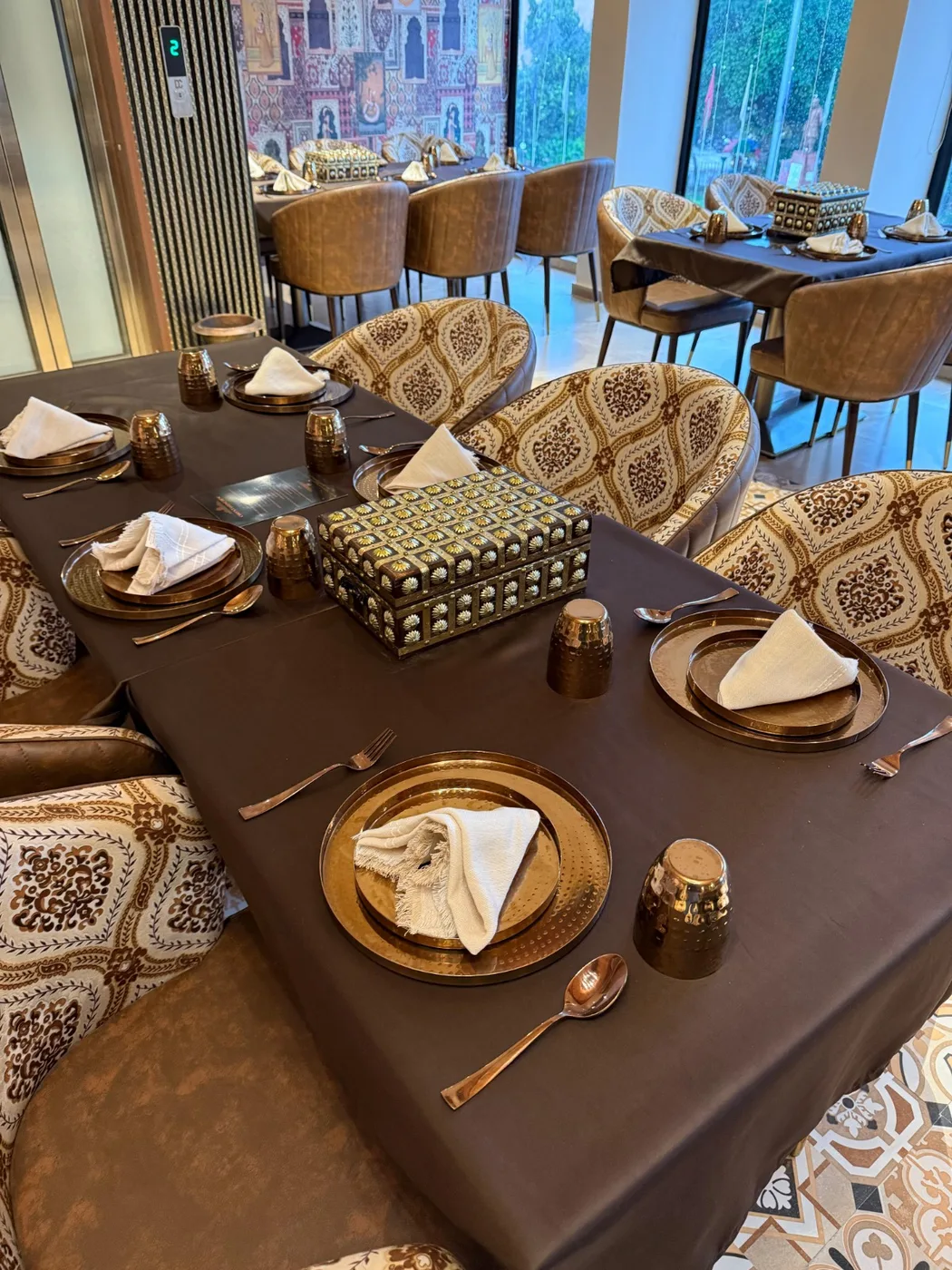
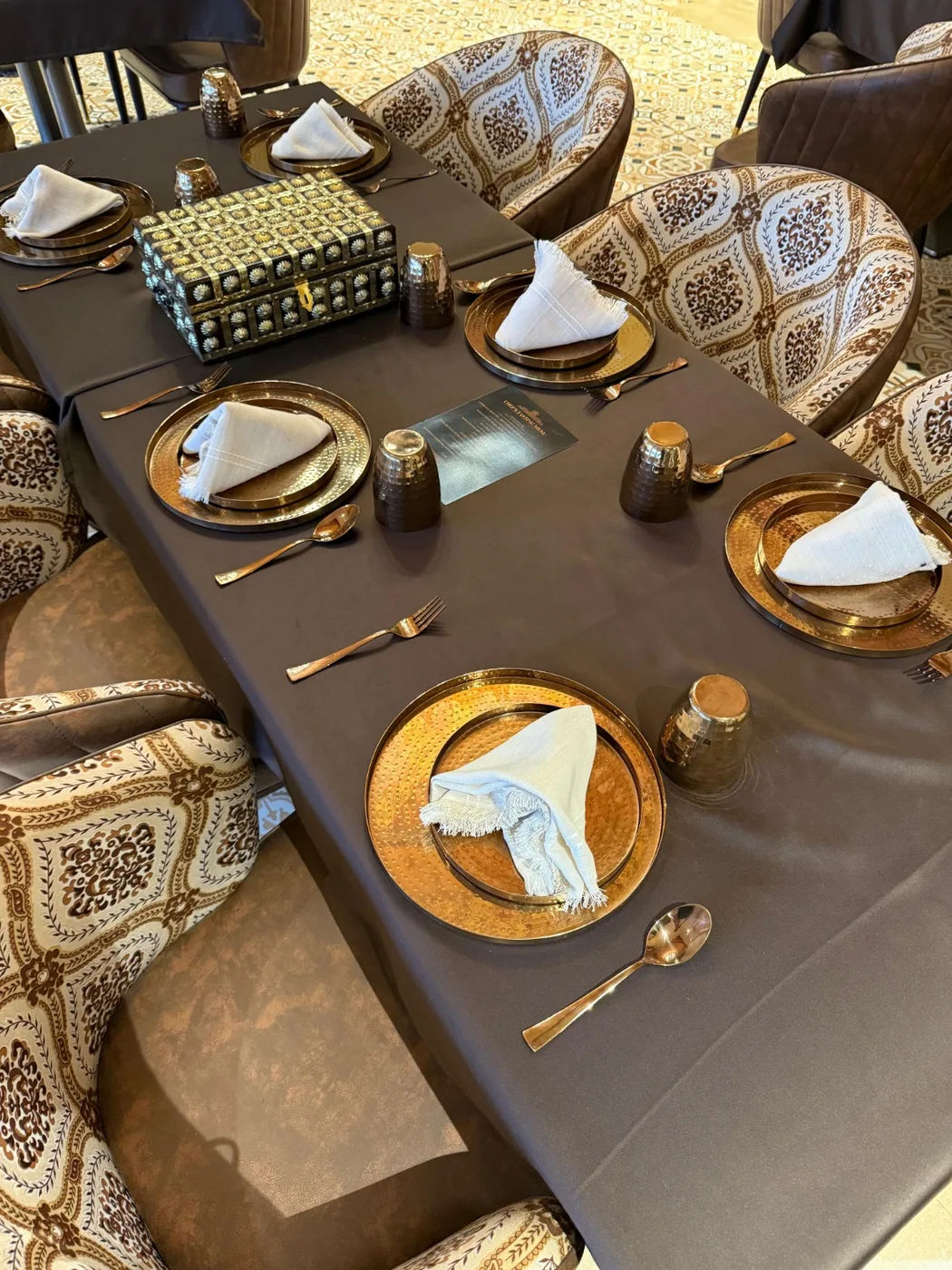
The tomb across the river is the place to start. In Agra Fort you walk through the palace she lived in as empress. Both fit into a second day in the city; see our two-day itinerary. Tajnuma, a pure vegetarian Mughlai restaurant, is on Fatehabad Road for dinner afterwards.