In the days before Diwali, Agra's sweet shops stop being shops and become logistics operations. Stacked boxes fill the counters, queues spill onto the pavement, and the smell of ghee and cardamom drifts down the street. Sweets are how the festival of lights is shared: between families, neighbours, colleagues and anyone else you want to be on good terms with. Here is what is inside the box.
In this article
Why Diwali Means Sweets
Diwali falls in October or November, on the new moon of the Hindu month of Kartik, so its date moves every year. It is a cluster of days rather than one: Dhanteras, Diwali itself, then Govardhan Puja and Bhai Dooj. Sweets run through all of them — offered at home shrines, exchanged as gifts and eaten as a celebration of plenty.
Giving a box of mithai is an act of goodwill. Nobody expects you to eat it all at once, and in many homes boxes arrive faster than they can be finished.
The Usual Suspects
Kaju katli — thin diamonds of cashew paste and sugar, often under silver leaf. Probably the most gifted sweet of the season. Laddoo — balls of motichoor (tiny fried gram-flour pearls in syrup) or besan (roasted gram flour with ghee). Barfi — fudge-like squares made with khoya, milk reduced until almost solid, in plain, pistachio, coconut or chocolate versions. Soan papdi — a flaky, melting cube that, depending on whom you ask, is either beloved or the sweet everyone passes on. Gulab jamun — fried milk dumplings in syrup, usually sold in tins at this time of year.
Agra's Own Contributions
Every city slips its own specialities into the box, and Agra has two strong candidates. The first is petha, the translucent ash gourd sweet the city is known for, in flavours from plain to saffron and paan. The second is savoury: Agra's famous dalmoth, a crunchy mix of fried lentils and spices, often given alongside sweets.
The wider Braj region adds the peda of Mathura, a dense milk sweet with strong associations with Krishna. Many Agra families include one or more of these, especially for relatives living elsewhere who miss the taste of home.
The Silver on Top
The shimmering foil on kaju katli and barfi is varq: silver beaten so thin it is edible, used on Indian sweets for centuries and prized at the Mughal table. Traditionally it was beaten between layers of animal membrane, which troubled many vegetarians. India's food regulator, FSSAI, has since set standards for silver leaf that rule out animal-derived material in its manufacture.
If it matters to you, buy from established shops and ask. Varq has no flavour; it is there to make the sweet look like a gift.
Buying Safely in Festival Season
Demand for khoya and milk sweets spikes at Diwali, and food safety authorities in India routinely warn about adulterated khoya in the festival season. Sensible rules: buy from busy, established sweet shops; check the packing and best-before information on the box; prefer dry sweets like kaju katli, besan laddoo and petha if you are travelling, since milk-heavy sweets spoil faster; and keep them cool.
If you are flying home, check your airline and destination country's rules on carrying food.
Visiting Agra at Diwali, and Sweets at Tajnuma
Diwali is a beautiful time to be in Agra: homes and markets are lit with lamps and lights, and the city is in a generous mood. It is also busy, and some businesses close or shorten their hours on the main day, so plan meals and transport ahead. For the season more generally, see our best time to visit Agra.
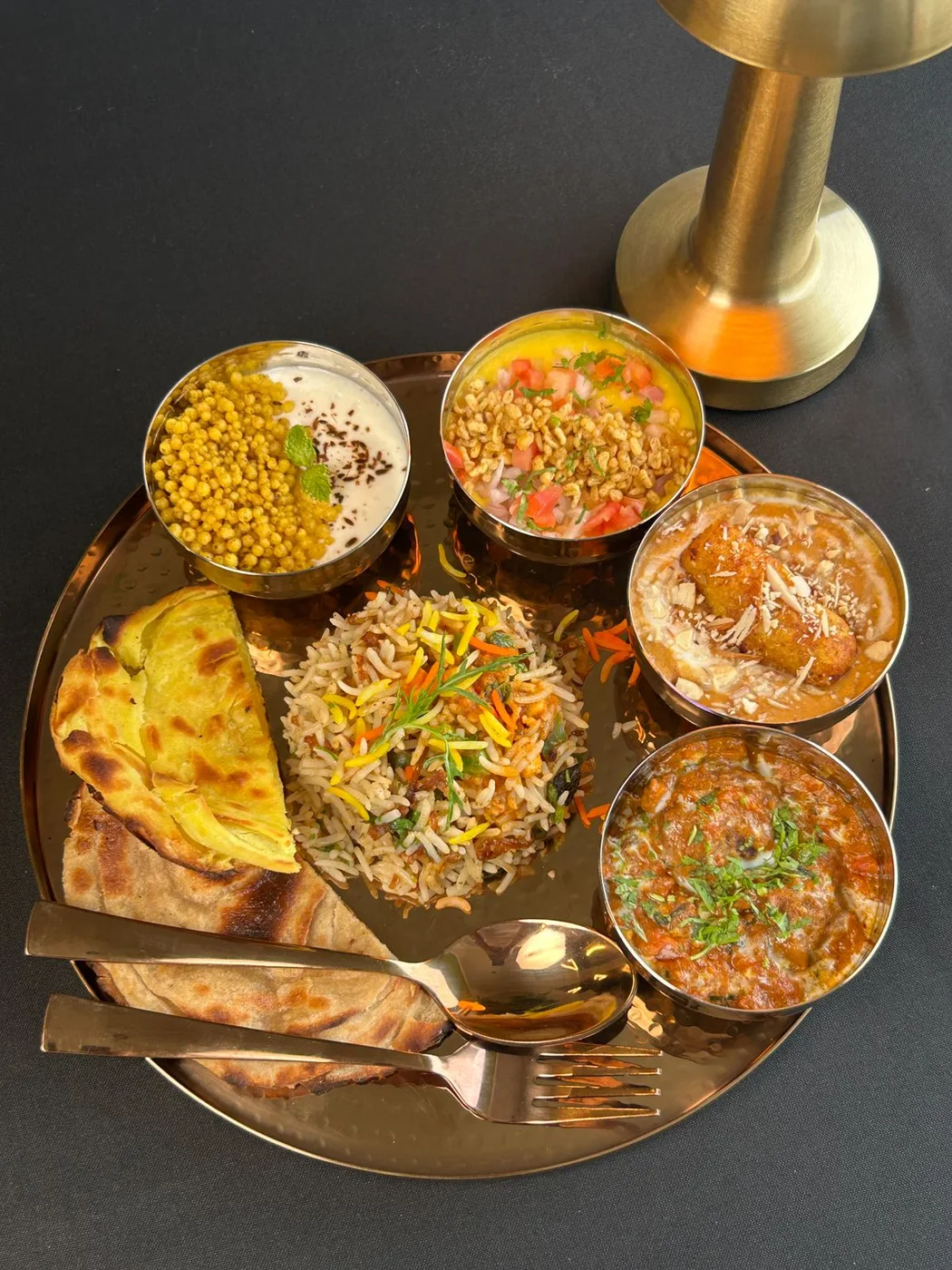
Tajnuma does not sell boxed mithai, but our dessert list is built on the same milk traditions: Shahi Tukda Taj-e-Zaika with rabdi foam, Daulat ki Chaat, Mawa Baati and Mawa Sheermal with Malai Kulfi. Our piece on Mughal desserts tells their story.