Agra has a north Indian climate with sharp edges: cold, foggy mornings in winter, genuinely severe heat before the monsoon, and a humid, green August. The monument does not change. How pleasant it is to stand in front of it changes a great deal.
In this article
October to March: The Comfortable Months
This is the season everyone recommends, and they are right. Days are mild to warm, evenings are cool, and walking around open monuments for several hours is a pleasure rather than an endurance test. It is also, inevitably, when Agra is busiest and when hotel rates are highest.
The one caveat is winter fog. In late December and January, dense morning fog is common across north India and can hide the Taj Mahal entirely at dawn, as well as delaying trains and flights into the region. If you are travelling then, give yourself a second morning as insurance, and do not build the whole trip around a sunrise photograph.
April to June: The Heat
Agra in May regularly passes 40°C, and the marble and sandstone hold the heat. This is not a season to schedule lightly. If you must travel then, the day has to be built around it: monuments at opening, indoors from late morning until late afternoon, and the rest of the sightseeing in the last hours of light.
The compensation is space. Crowds thin out noticeably, rates soften, and the queues that define the peak season largely disappear. A long, cool lunch stops being a luxury and becomes the structural centre of the day — which is a good argument for a proper sit-down meal rather than something eaten on the move.
July to September: The Monsoon
The monsoon brings the temperature down and the humidity up. Rain in Agra tends to arrive in heavy bursts rather than as all-day drizzle, so sightseeing is usually possible around it, and the gardens and the riverbank look better than at any other time of year. Skies are dramatic; light for photography can be superb between showers.
It is the quietest of the three seasons and the cheapest. The trade-off is unpredictability — a downpour can cost you a morning, and the humidity makes the heat that remains feel heavier than the thermometer suggests.
The Best Time of Day, Whatever the Month
Season aside, the first hour after the Taj Mahal opens is consistently the best time to be there: fewer people, gentler light, cooler air. Late afternoon from Mehtab Bagh, across the river, is the other reliably good slot.
Remember that the monument is closed on Fridays whatever the season — the details are in our Taj Mahal visiting guide — and that on five nights around each full moon there is separately ticketed night viewing.
Festivals and Full Moons
Two things are worth checking against your dates. The first is the full moon, because night viewing runs on the five nights around it, excluding Fridays and the month of Ramzan. The second is the Taj Mahotsav, Agra's annual crafts and culture festival, usually held in February at Shilpgram near the Taj Mahal's east gate — ten days of craftspeople, food stalls and performances, and a good reason to time a February visit deliberately.
Diwali, in October or November depending on the year, brings both a festive city and a busier one; book accommodation and tables further ahead than you normally would.
Eating Through the Seasons
Agra's food shifts with the year in small ways. Winter brings the season for slow-cooked, richer dishes and hot breads straight off the tandoor. Summer is when a cold lassi stops being a drink and becomes a strategy — and when jackfruit appears on our menu in dishes like kathal biryani and kathal nihari, both seasonal.
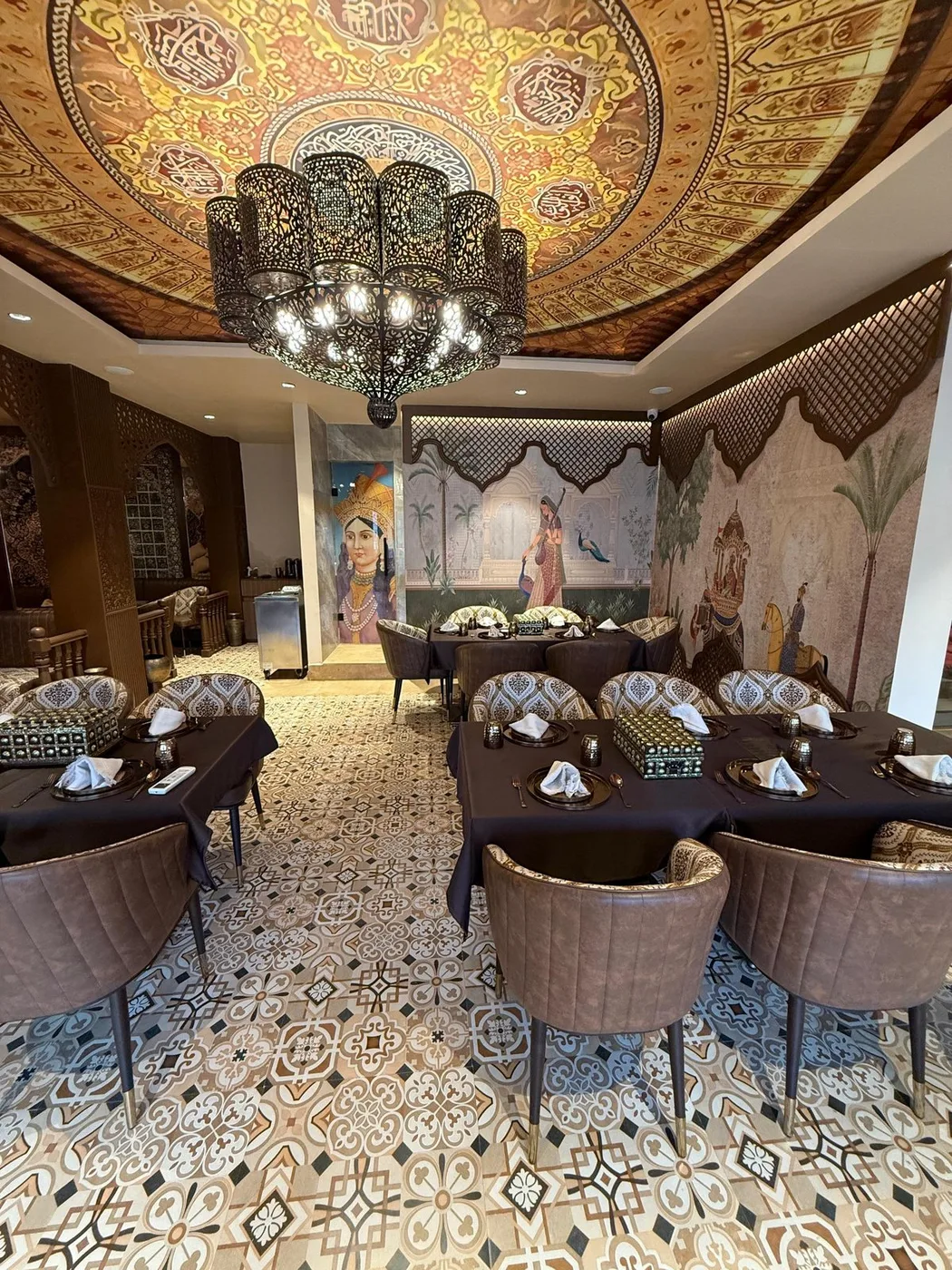
Whatever the month, Tajnuma serves from 12:00 pm to 12:00 am every day, and the kitchen is entirely vegetarian. The full menu is here, and there is more on eating well as a vegetarian in Agra in our city food guide.