Agra is a good city to be vegetarian in and a slightly harder one to eat Jain in, mostly because so much north Indian cooking starts with onion and garlic. It is very manageable with a little knowledge. Here is what to look for, what to ask, and which dishes adapt most easily.
In this article
What Jain Food Leaves Out
Jain dietary practice rests on ahimsa, avoiding harm to living things, and it goes further than vegetarianism. Meat, fish and eggs are excluded. So, for most observant Jains, are:
- Root vegetables — onion, garlic, potato, carrot, beetroot, radish, ginger (fresh) and the like, because harvesting them destroys the whole plant and the organisms in the soil around it.
- Honey, and often certain fermented foods.
- For some, food eaten after sunset, and green vegetables on particular days of the month.
Practice varies from family to family. The simplest thing is to tell the restaurant exactly what you avoid, rather than just saying “Jain”.
Why a Vegetarian Kitchen Helps
The first hurdle in most restaurants is the kitchen itself: shared tandoors, shared oil, shared utensils with meat and egg dishes. In an entirely vegetarian kitchen that question does not arise, and what remains is the question of ingredients.
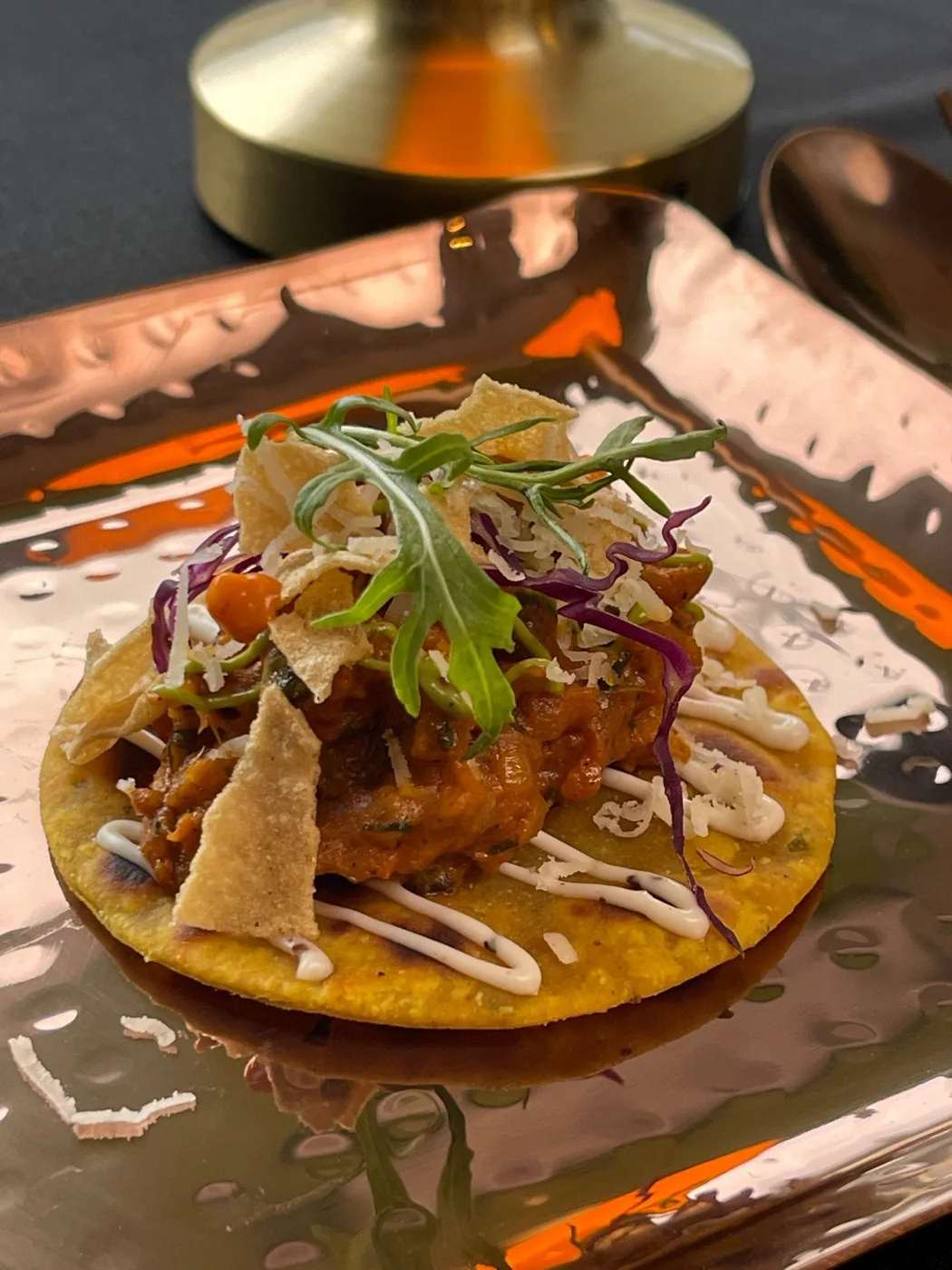
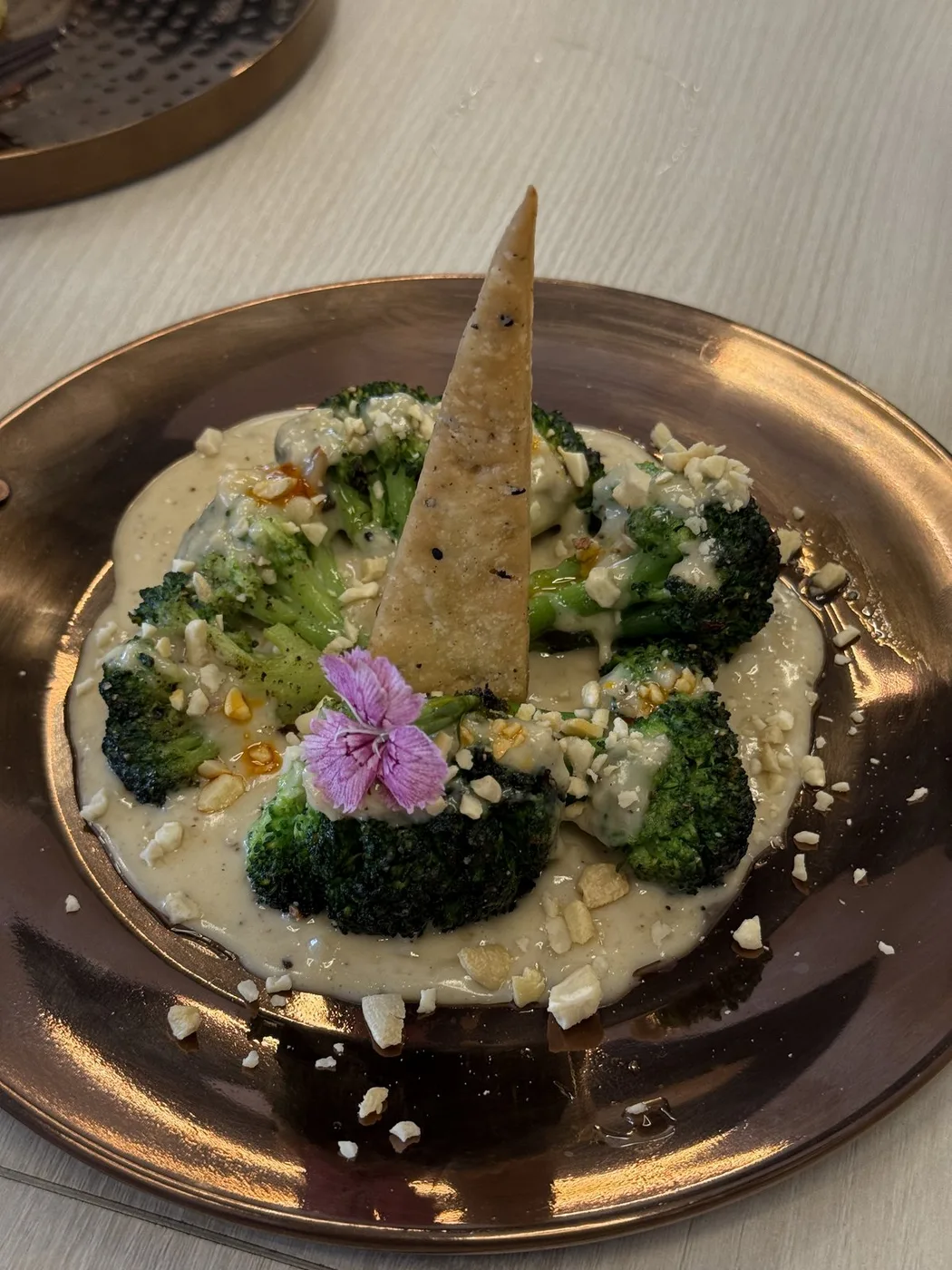
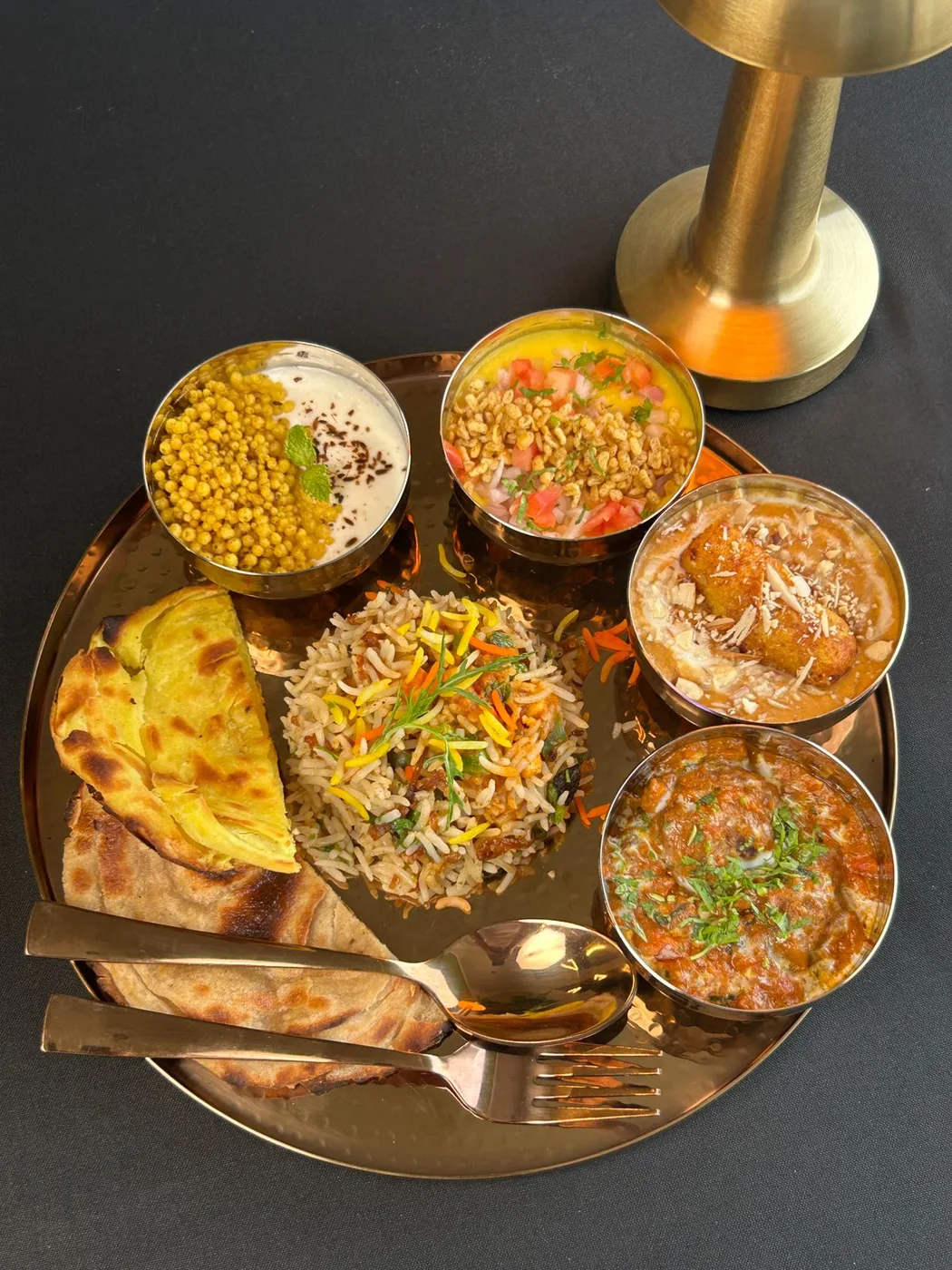
Tajnuma has no meat, fish or egg in the building. Jain preparation is available on request across much of the menu: tell your server when you order, and the kitchen prepares the dish accordingly where it can. We wrote about what a fully vegetarian kitchen means in more detail.
Mughlai Dishes That Adapt Well
Mughlai cooking is a better fit for Jain diners than its reputation suggests, because so much of its flavour comes from whole spices, dairy, nuts and saffron rather than from onion and garlic. The kinds of dishes that usually adapt most easily:
- Paneer from the tandoor — tikkas built on a curd and spice marinade.
- Nut and cream gravies — a cashew curry or a paneer dish in a rich white or tomato gravy can be built without onion.
- Dals tempered with cumin and asafoetida (hing), the classic substitute for onion and garlic.
- Plain breads and rice — naan, roti, sheermal, pulao without onion.
- Desserts — the milk-based Mughal sweets almost never involve root vegetables.
Dishes to Skip or Ask About
Some dishes are built on a root vegetable and cannot sensibly be adapted. On our own menu, that includes the Creamy Tandoori Aloo and Dilli Aloo Tikki (potato), the Peanut Butter Beetroot Tikki (beetroot), Lehsuni Palak Paneer and the Garlic & Paprika Naan (garlic by name), and pav bhaji, which is traditionally made with potato.
Chaat is the other area to be careful with, because potato, onion and ginger turn up in many chaats and chutneys. Ask before you order.
How to Order
Say it at the start, not after the food arrives: tell your server when you sit down that your table is eating Jain, and list what you avoid. If only some of the table is, say which dishes are for whom. For a group, or for an event with Jain guests, call ahead on +91 90688 89658 so the kitchen can plan; see private dining.
The same goes for the tasting menus: Jain adjustments can be requested, but some courses change more than others, so mention it when you book.
Beyond the Restaurant
Agra's street food is harder: bedai comes with a potato curry, and most chaat carts use potato and onion freely. The city's sweets are much safer ground. Petha, Agra's famous candied ash gourd, is made from a gourd rather than a root, and the dry sweets and namkeen of the old sweet shops include plenty without onion or garlic — though it is always worth asking. See our pieces on petha and on eating vegetarian in Agra.