A dastarkhwan is, literally, a cloth. It was spread on the floor or over a low platform, the food was set out on it, and everyone ate from what was there. The word did what words do when an object sits at the centre of something important: it stopped meaning the cloth and started meaning the meal, and then the hospitality behind the meal. It still carries that sense today.
In this article
The Cloth That Names the Meal
The term is Persian, and it arrived in India with the same Persian courtly culture that shaped so much else about the Mughal establishment. To "spread the dastarkhwan" was to offer a meal; to be invited to someone's dastarkhwan was to be received by them.
Practically, it meant seating on the floor around a spread cloth rather than at a raised table with individual place settings. That one difference drives most of what follows, because it changes what a meal physically is.
Not Courses, But a Spread
The modern restaurant meal is sequential: one plate is cleared, the next arrives, and the kitchen controls the order. The dastarkhwan is the opposite. Dishes were set out together, and the eater assembled their own meal from what was in front of them — a little of this gravy with that bread, rice with something to cut through it, a relish at the side.
This is why the repertoire looks the way it does. A cuisine built for a shared spread needs dishes that hold their temperature, that work alongside each other rather than in sequence, and that can be eaten in any order without the meal collapsing. Rich gravies, plain rice, breads, something sharp, something cooling: the balance is horizontal rather than vertical.
The Shape of the Meal
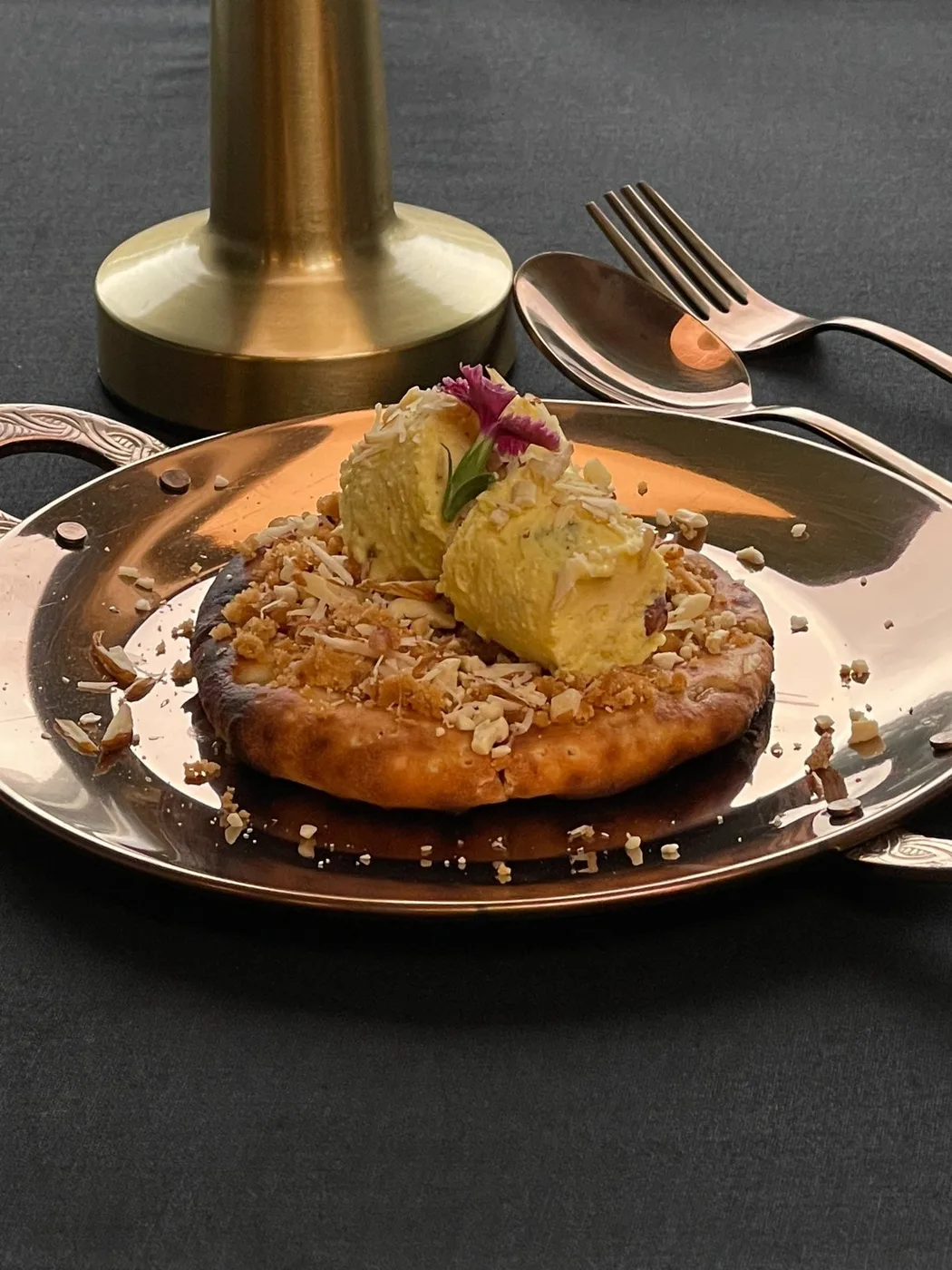
Within the spread there was still a rough shape. Something to begin with, grilled or fried, eaten with a relish. The substantial middle of gravies, rice and bread. Curd or a raita doing the cooling work. A sweet at the end, and something aromatic after that — paan, or seeds and cardamom — to close the meal and settle it.
Water and sherbets were served cooled where ice or cool storage allowed, and the Mughals went to considerable expense to make that possible. Chilled drinks at a summer meal in Agra were a genuine luxury and were treated as one.
Hands, Water and the Right Side
Food was eaten with the hand, and specifically the right hand. A basin and ewer came round before the meal and again after it, which is a more thorough arrangement than it sounds: with no cutlery between you and the food, washing is part of the meal rather than preparation for it.
Bread does the work cutlery does. Torn, folded, used to lift gravy, it is the utensil. This is not a quaint detail — it is why the breads of the tradition are built the way they are, strong enough to carry a heavy gravy without falling apart.
What Is Documented, and What Is Romance
A lot of what circulates about Mughal dining etiquette is later embroidery, and it is worth being straight about which is which.
Well documented: the kitchen's organisation, its tasters, the sealing of dishes before they travelled, the classes of dishes it cooked, and the general Persian-influenced court culture that the dastarkhwan belongs to. These are recorded in the Ain-i-Akbari and in the emperors' own memoirs.
Less secure: the very precise course-by-course protocols and elaborate rules of etiquette that get attributed to "the Mughal dastarkhwan" in popular writing. Much of that describes the later Awadhi courts of Lucknow, which took Mughal forms and refined them into something more codified, rather than the Mughal court itself. It is a real tradition — it is simply a later and different one, and collapsing the two makes for better stories and worse history.
Where a Tasting Menu Departs From It
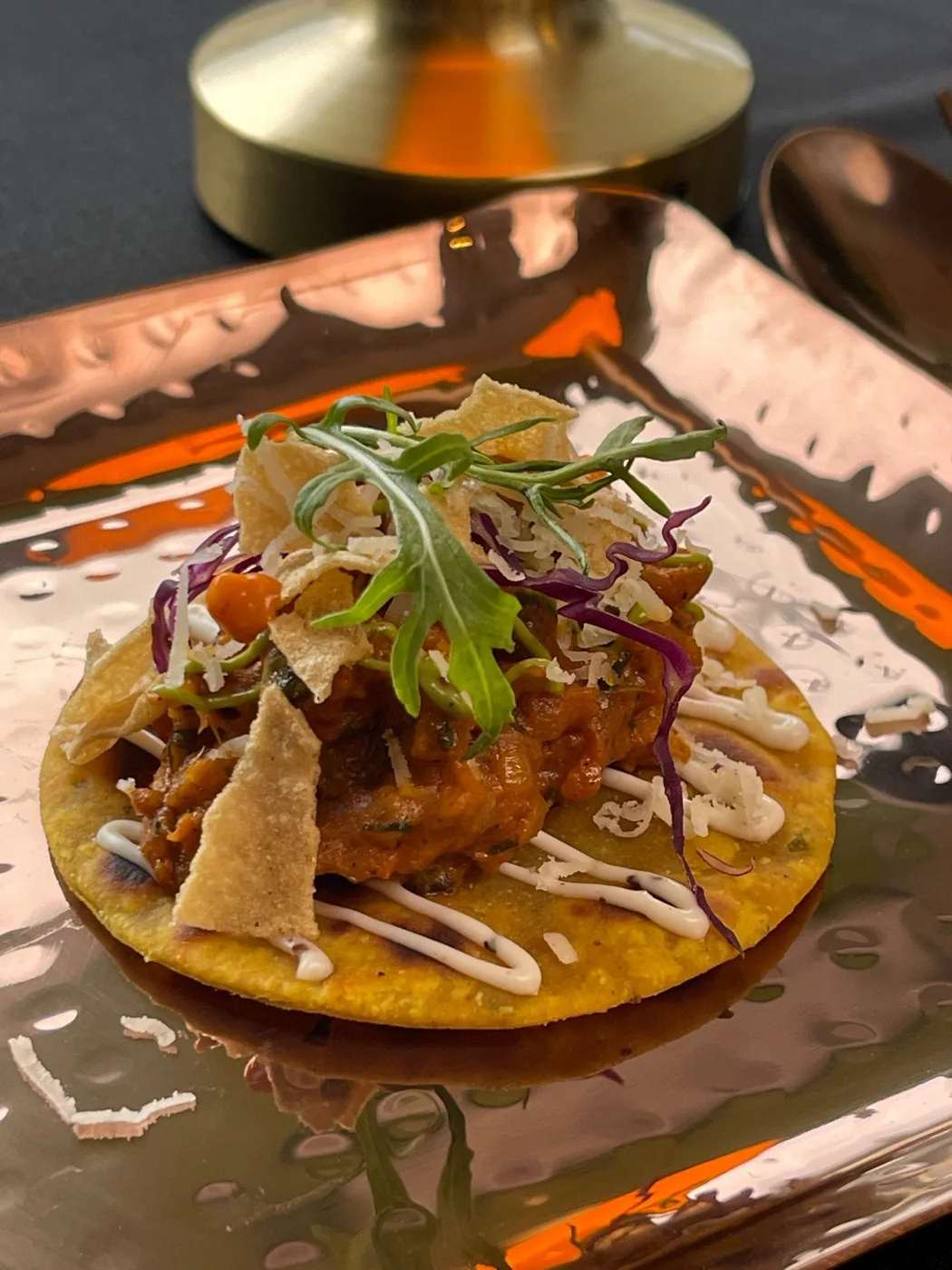
Our own tasting menus are sequential, which is the one thing a dastarkhwan is not. Courses arrive in an order the kitchen chooses, one after another. That is a modern format and we are not going to pretend otherwise.
What carries across is the balance. Something sharp against something rich, a cooling element placed where it is needed, bread treated as part of the dish rather than an accompaniment, and a sweet course that closes rather than merely follows. If you want the spread rather than the sequence, the Mughlai thali is the closer thing — several dishes arriving together on one plate, to be eaten in whatever order you like.