The first thing people notice about good Mughlai food is the smell, not the heat. That is by design. The court kitchen used spices for fragrance, depth and colour, and relied on dairy, nuts and slow cooking for body. Ten aromatics do most of that work. One spice most people assume is essential is not on the list at all.
In this article
Saffron and Green Cardamom
1. Saffron (kesar, zafran). The stigmas of a crocus, picked by hand, and the most expensive spice in the world by weight. The Mughals had their own supply in Kashmir, where saffron has been grown around Pampore for centuries. It gives the gold in a biryani, the colour of zarda rice, and the scent of the best milk sweets. A few threads soaked in warm milk is all a dish needs.
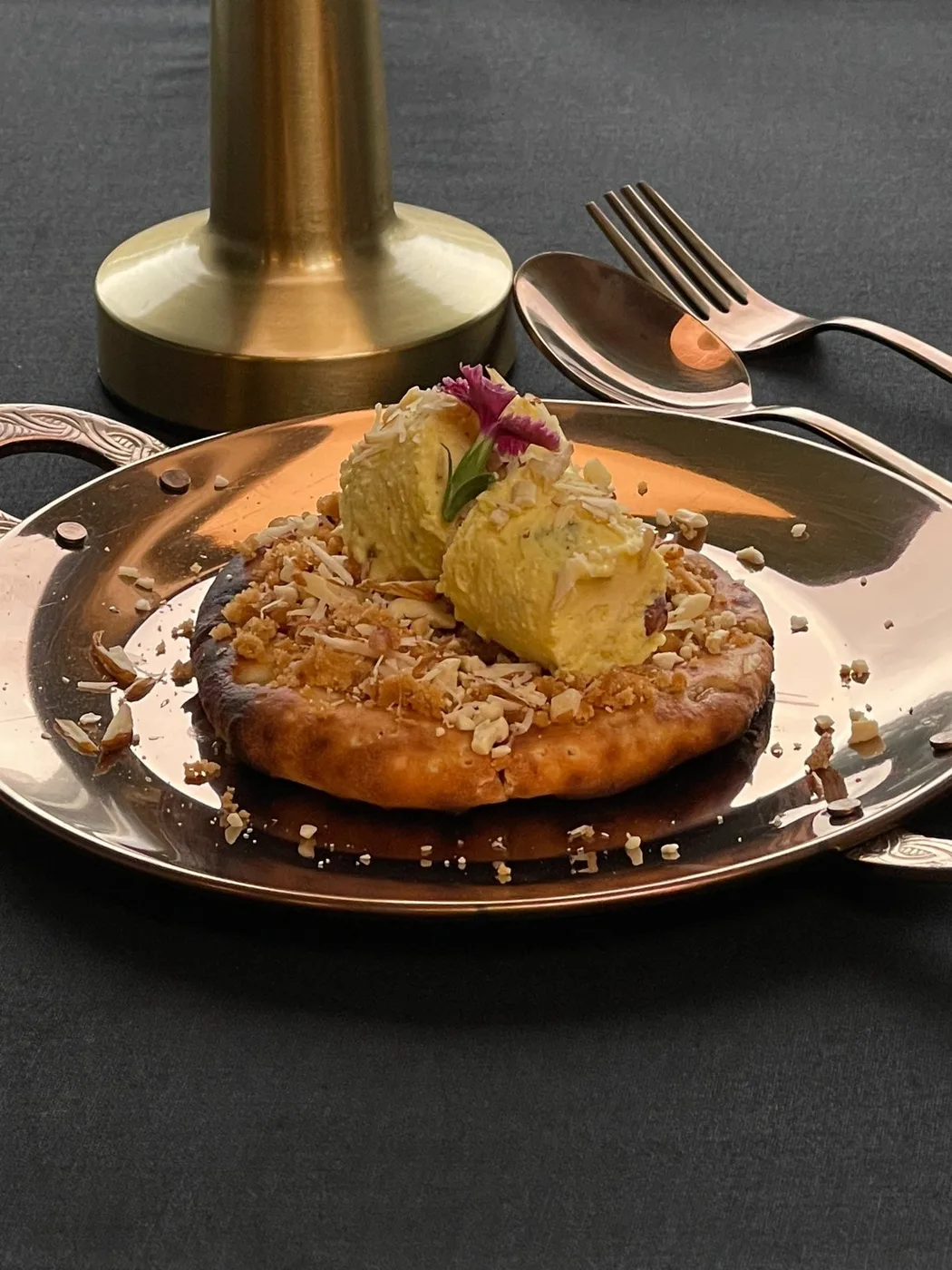
2. Green cardamom (elaichi). Native to the hills of south-western India. It is the most versatile spice in the box: whole pods in a biryani, ground seeds in a korma, and in almost every Mughlai dessert. If you can smell one spice in a phirni or a shahi tukda, it is usually this.
The Warm Spices: Clove, Cinnamon, Black Cardamom
3. Cloves (laung). Dried flower buds that reached India by sea from the Spice Islands of present-day Indonesia. A few go into the ghee at the start of a pulao and scent the whole pot.
4. Cinnamon (dalchini). In Indian kitchens this is often cassia, its close cousin, which is thicker and more pungent. It goes in whole, and comes out before serving.
5. Black cardamom (badi elaichi). Dried over fire, so it carries a smoky, camphor-like note. Used sparingly, it is what gives a slow-cooked dal or a rich gravy its depth.
Mace and Black Pepper
6. Mace (javitri). The lacy red covering of the nutmeg seed, and the most characteristically Mughlai spice of all. It is subtle, warm and slightly floral, and it appears in the kebabs, kormas and biryanis of the court tradition far more than in everyday home cooking. Like cloves, it came from the islands of the far east through the Indian Ocean trade.
7. Black pepper (kali mirch). From the Malabar coast, and for most of history the spice that gave Indian food its heat. The recipes recorded in the Ain-i-Akbari use it where a modern cook would reach for chilli.
Ginger and Cumin
8. Ginger (adrak, and dried as saunth). Fresh ginger for brightness in marinades and gravies; dried and ground for warmth in sweets and chutneys. It appears again and again in the ingredient lists of the Ain.
9. Cumin (zeera). Toasted whole in hot ghee at the start of a dish, or dry-roasted and ground over a raita. The Persian and Central Asian kitchens the Mughals came from used it as much as India did, which is one reason it sits so comfortably in both.
Rose and Kewra
10. Rosewater and kewra water. Strictly these are not spices but distilled floral waters, and they are the most Persian thing in the box. Rosewater came with the Persian culinary tradition; kewra is distilled from the flowers of the screwpine, grown in India. A few drops over a biryani before it is sealed, or into a sherbet or a kheer, is the finishing touch that makes a dish smell “royal”.
The Spice That Is Missing
There is no chilli on this list, because the Mughal court's early cooks had none. Chillies are native to the Americas and reached India through Portuguese trade in the sixteenth century, and they took time to enter the court repertoire. Mughlai cooking was built before them, which is why it is aromatic rather than hot.
Today almost every kitchen uses some chilli, ours included, but it plays a supporting role. If you want the heat set higher or lower, tell your server when you order. For the dishes where these spices show best, see 12 Vegetarian Mughlai Dishes to Try or the full menu.