Walk past a north Indian street grill after dark and some of the skewers will look like they belong in a butcher's window: pale, layered pieces wrapped around a wooden stick, charring at the edges. They are not meat. They are soya chaap, made from soybeans and wheat flour, and over the past couple of decades they have become one of the most popular vegetarian foods in this part of India.
In this article
What Soya Chaap Actually Is
Chaap is the Hindi word for a chop, and the name describes the look. The dough is made from soy (usually soy flour or soy protein) mixed with wheat flour, which supplies the gluten that makes it stretchy. It is rolled into thin sheets, wrapped in layers around a stick — traditionally a length of sugarcane or wood — and boiled or steamed to set.
The result is chewy, fibrous and layered, which is why it pulls apart rather like cooked meat, and it soaks up marinades well. Most cooks buy chaap ready-made in this form and do the marinating and grilling themselves.
From Factory to Tandoor
Unlike most of the dishes on a north Indian menu, soya chaap has no deep history: it is a modern food, and its spread is generally associated with Delhi, where whole street stalls are devoted to it. From there it has travelled across the region, Agra included.
The reasons are easy to see. It gives vegetarians the experience of a kebab — something to bite and pull and chew, charred over coal — that paneer and potato do not quite provide. Soy is rich in protein. And it takes on the classic tandoori treatments without complaint.
The Main Styles
- Malai chaap — marinated in cream, cheese or curd with mild spices and grilled. The most popular style, rich and gentle.
- Tandoori or masala chaap — a red, spiced curd marinade, the same family as paneer tikka, with more char and more heat.
- Achari chaap — marinated with pickling spices such as mustard, fennel and nigella.
- Chaap curry — grilled pieces finished in a gravy, eaten with naan or rice.
Most are finished with butter, chaat masala, onion rings and a squeeze of lemon.
Soya Keema and Soya Boti
Soy turns up in other shapes too. Soya chunks, small dried pieces of textured soy protein, are soaked and cooked in curries; soya keema is the same protein in granules, standing in for minced meat in dishes like keema matar. In both cases the idea is the one behind chaap: borrow the structure of a meat dish and keep the spicing.
It is the latest chapter in an old habit. Vegetarian cooks in India have long reworked meat dishes with jackfruit, lentils and vegetables — a tradition we have traced in the history of vegetarian Mughlai food.
What to Know Before You Order
Two things catch people out. First, because chaap is made with wheat flour, it is not gluten-free. Second, “malai” versions are made with dairy, so they are vegetarian but not vegan — see our vegan guide to Agra for how to ask about that.
On the street, the usual rules apply: eat from a busy grill, and order what is coming hot off the coal rather than what has been sitting.
Soya at Tajnuma
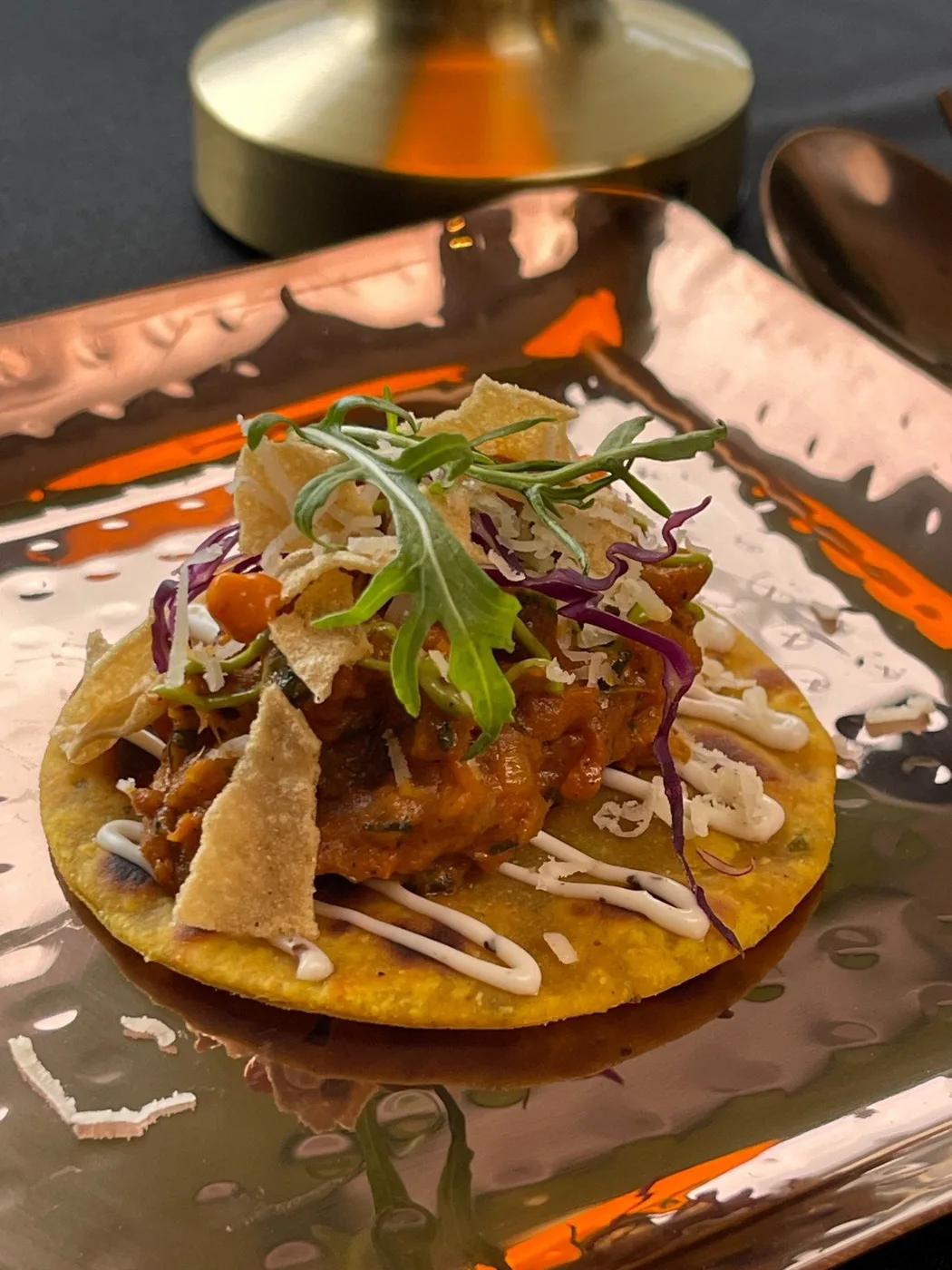
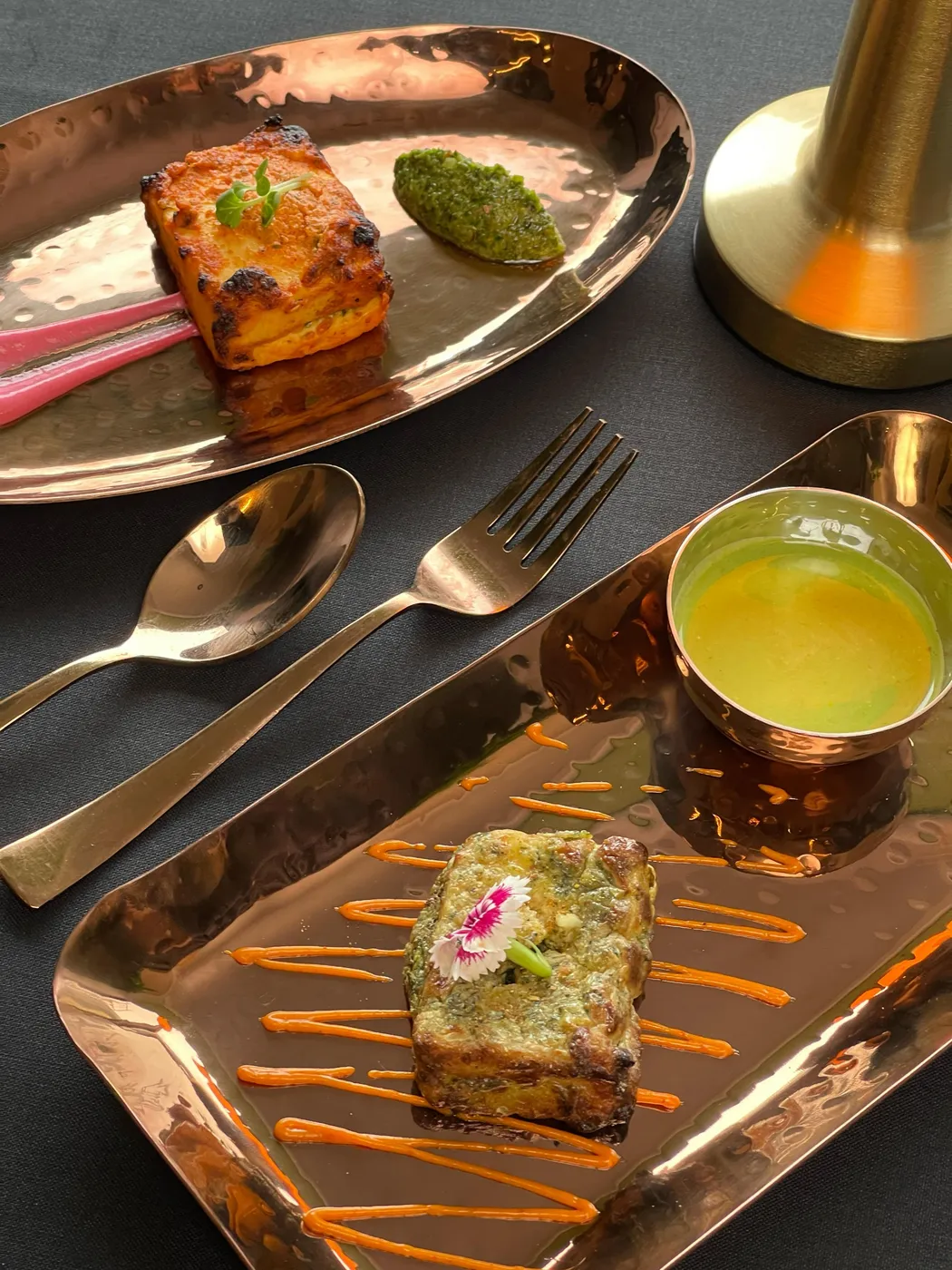
Our kitchen uses soy in several dishes on the menu. Among the starters, Cheese Stuffed Smoked Soya Chaap is malai chaap stuffed with cheese, and Soya Boti Shan-e-Lebab serves soya boti on a soft thepla with lemon cream and pickled red cabbage. In the mains there are Soya Keema Matar and Soya Keema Meatball, and the biryanis include a Malai Soya Chaap Biryani.
If you are new to it, start with the stuffed chaap: it shows off the texture with the richness of the malai style.