Every guide at the Taj Mahal tells the love story, and most of them improve on it. The version the records support is simpler and does not need improving: an emperor's wife died in childbirth, far from home, and he spent the next two decades building her tomb. These are the two people it is about.
In this article
Prince Khurram
Shah Jahan was born in 1592 and named Khurram. He was a son of the emperor Jahangir and a grandson of Akbar, who is said to have been particularly fond of him. As a young man he was the empire’s most successful general, and it was after a campaign in the Deccan that his father gave him the title Shah Jahan, “king of the world”.
He came to the throne in 1628, after his father’s death and a short, ruthless succession struggle.
Arjumand Banu Begum
Mumtaz Mahal was born Arjumand Banu Begum in 1593, into the most influential family at court. Her grandfather was Itimad-ud-Daulah, Jahangir’s chief minister; her father was Asaf Khan; and her aunt was the empress Nur Jahan. The tomb her aunt built for her grandfather still stands across the river, and we have written about it here.
She was betrothed to Khurram in 1607 and married him in 1612. Mumtaz Mahal, usually translated as “the chosen one of the palace”, was the title he gave her.
Nineteen Years
Shah Jahan had other wives, as Mughal princes did, but the court chroniclers are clear that Mumtaz Mahal was the one he was close to. She travelled with him on campaign and through the years he spent in rebellion against his father. In nineteen years of marriage she bore fourteen children, about half of whom survived infancy. Among them were Jahanara, Dara Shikoh and Aurangzeb.
Burhanpur, 1631
In 1631 Shah Jahan was on campaign in the Deccan and the court was at Burhanpur, in what is now Madhya Pradesh. Mumtaz Mahal died there in June, shortly after giving birth to their fourteenth child. She was in her late thirties.
The chroniclers describe the emperor withdrawing from public business and going into mourning. She was buried first in a garden at Burhanpur. Some months later her body was brought to Agra.
Building the Tomb
The site chosen was a stretch of the Yamuna bank downstream of Agra Fort, on land acquired from the Raja of Amber. Work began around 1632. The mausoleum itself was largely complete in about a decade, and the rest of the complex — the mosque, the gateway, the garden and its outer courts — took about another ten years.
No single architect is named on the building. The man most often credited is Ustad Ahmad Lahauri, on the strength of a claim made in his son’s writing. If you are planning the visit itself, our guide to the Taj Mahal covers it.
The Last Years in Agra Fort
Shah Jahan later moved his capital to Delhi, where he built the Red Fort and the Jama Masjid. In 1657 he fell ill, and his sons went to war over the succession. Aurangzeb won. In 1658 he deposed his father and confined him in Agra Fort, where Shah Jahan lived for the remaining years of his life, attended by his daughter Jahanara.
Tradition has it that he spent those years looking down the river at the Taj Mahal from the Musamman Burj, the octagonal tower in the fort. The tower does face the Taj, and you can stand near it and see what he would have seen.
Two Cenotaphs
Shah Jahan died in 1666 and was buried beside his wife. Her cenotaph stands at the exact centre of the chamber, on the axis of the whole complex. His, larger, was placed to one side of it. In a building designed around perfect symmetry, it is the one thing that is off-centre.
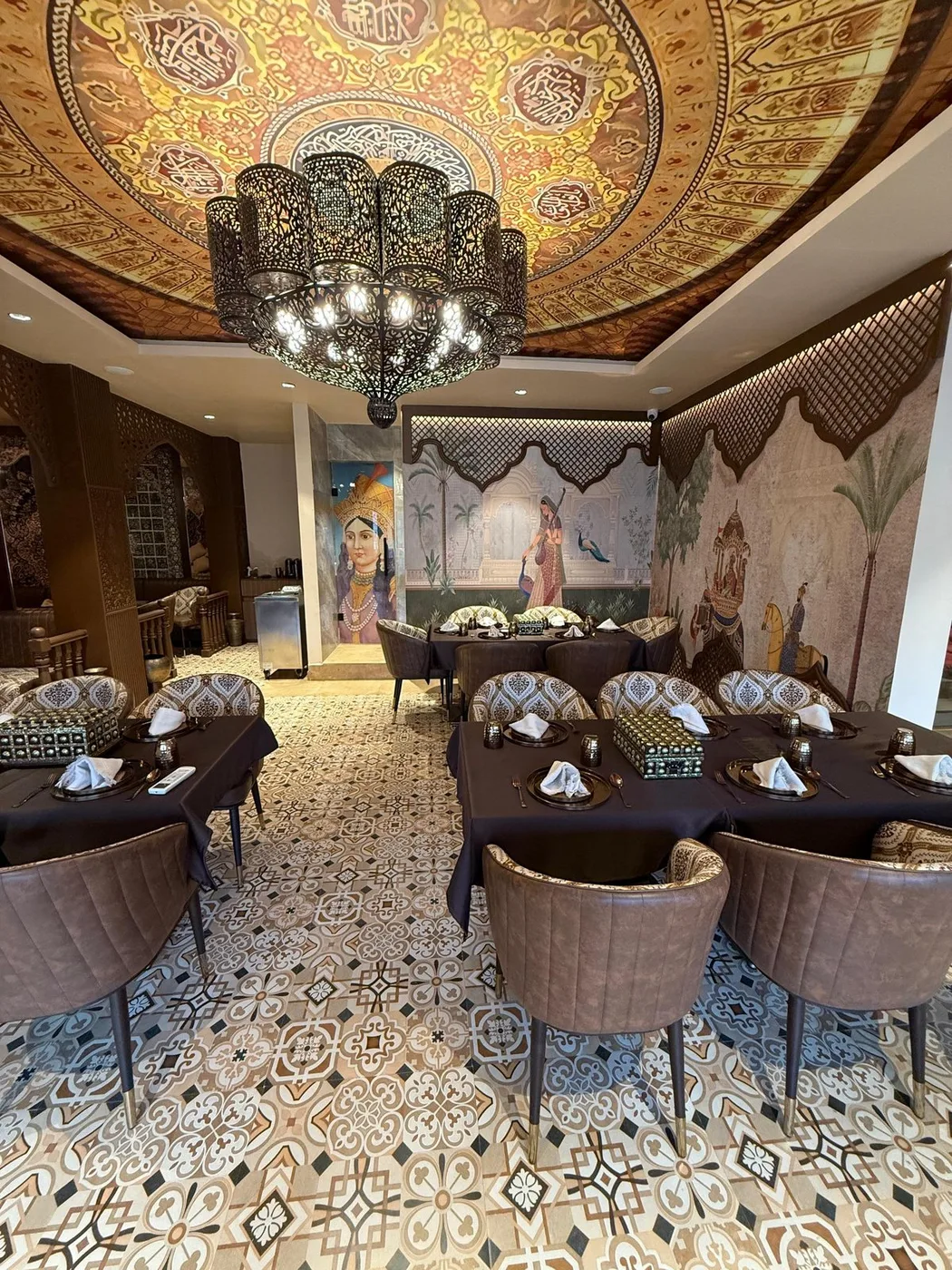
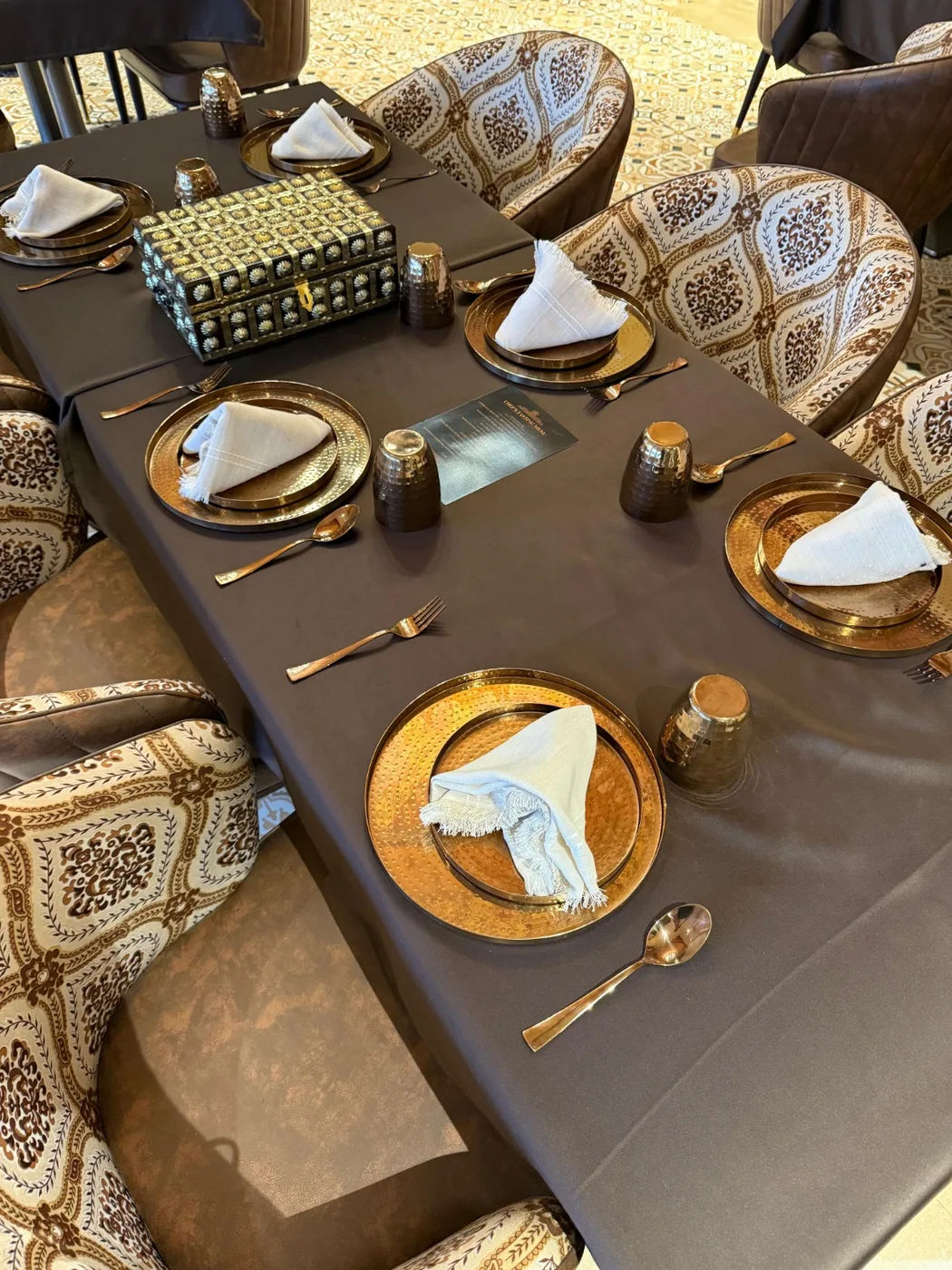
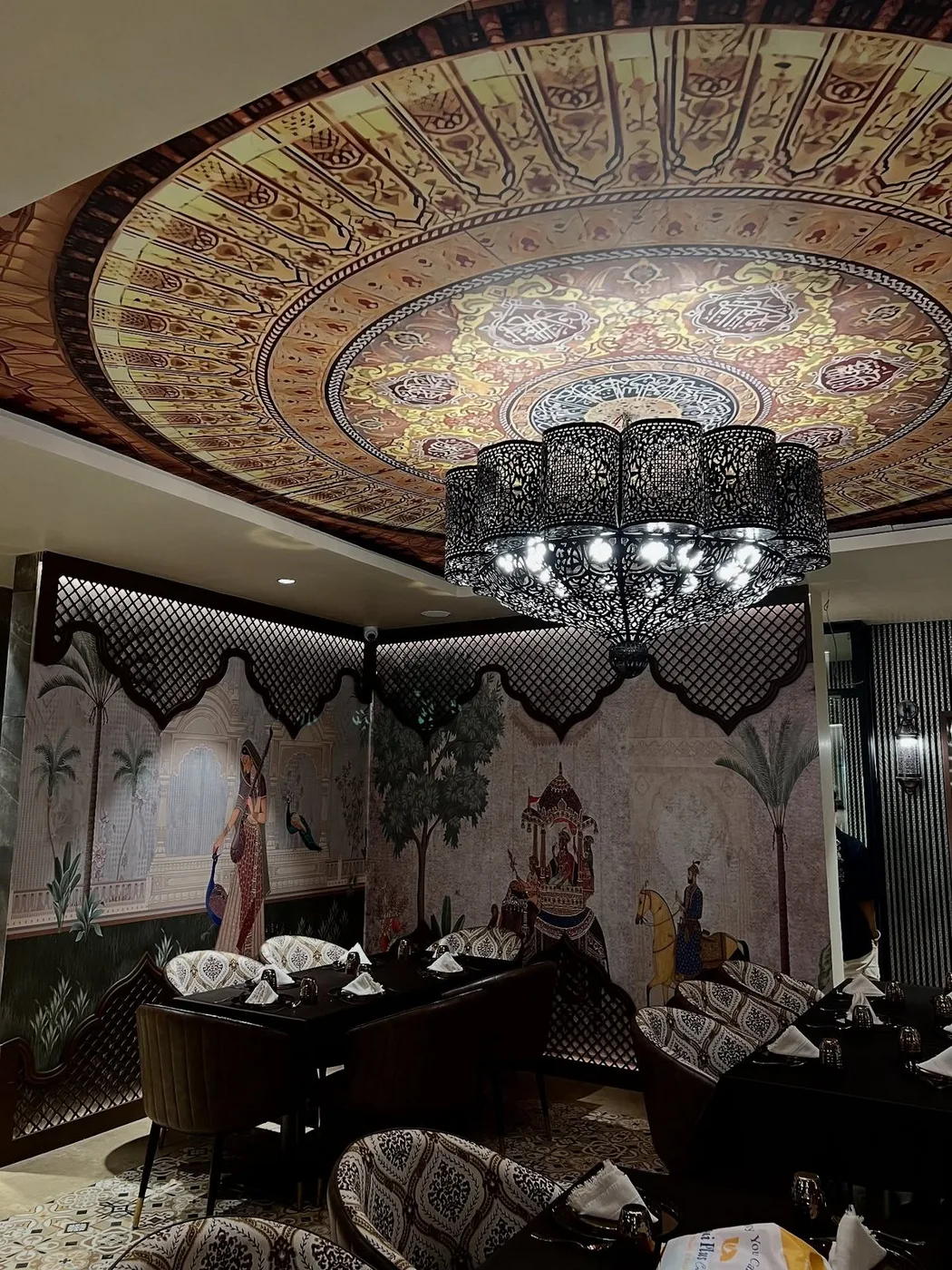
The story that he meant to build a second tomb for himself in black marble across the river is a legend; we have covered it in our piece on Mehtab Bagh. Tajnuma, a pure vegetarian Mughlai restaurant, is on Fatehabad Road, on the Taj Mahal’s side of the city.