Agra’s monuments make far more sense when you know whose they are. Here is the Mughal century in Agra, emperor by emperor, with what each one left behind.
In this article
Babur (1526–1530)
The founder of the dynasty took Agra in 1526 after defeating Ibrahim Lodi at Panipat, inheriting a city that was already a capital, as we explained in Before the Mughals. Babur’s legacy here is gardens: he began the walled riverside gardens on the east bank of the Yamuna. Ram Bagh is traditionally linked to him.
Humayun (1530–1540, 1555–1556)
Humayun lost the empire to Sher Shah Suri and won it back only shortly before his death, so he built little in Agra. A small mosque in Kachpura, across the river, dates from the first year of his reign.
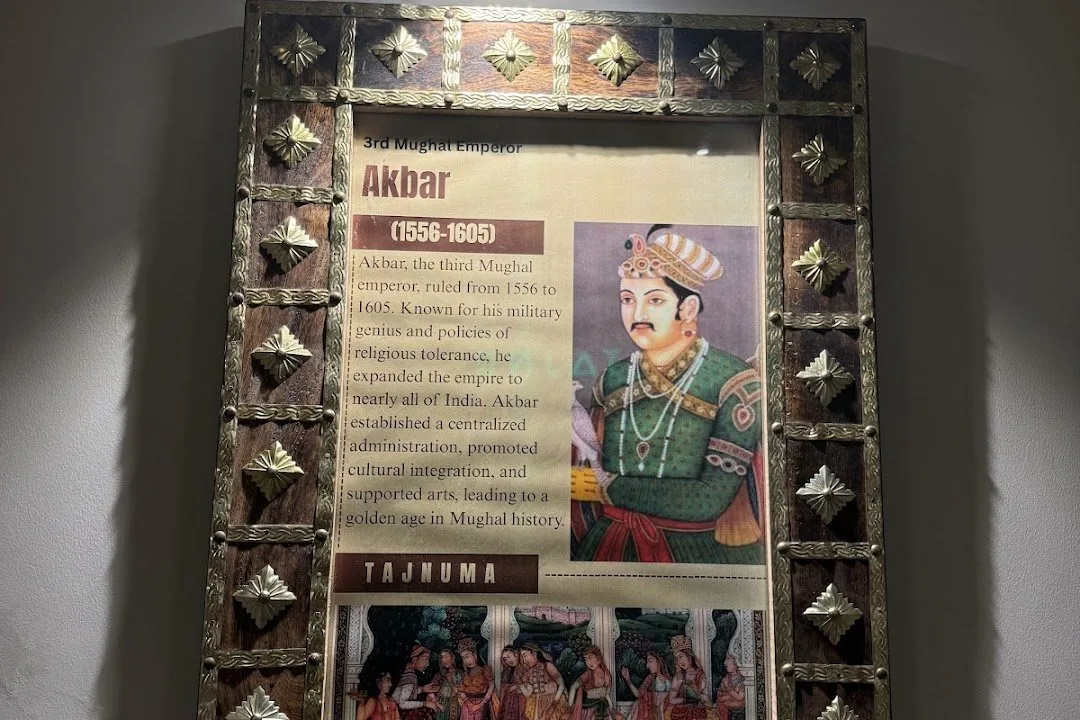
Akbar (1556–1605)
Akbar made Agra a true imperial capital. From 1565 he rebuilt the old fort in red sandstone, creating the Agra Fort we visit today. For a period he moved his court to his new city of Fatehpur Sikri and later to Lahore, before returning to Agra near the end of his reign. The city was called Akbarabad in his honour, and he is buried at Sikandra.
Jahangir (1605–1627)
Jahangir completed his father’s tomb at Sikandra. His reign is best remembered in Agra through his wife, the empress Nur Jahan, who built Itimad-ud-Daulah for her parents — the first great Mughal tomb faced in white marble inlay.
Shah Jahan (1628–1658)
Agra’s golden age. Shah Jahan built the Taj Mahal for Mumtaz Mahal, added white marble palaces inside the fort, and saw the Jama Masjid raised in his daughter Jahanara’s name. In 1648 he moved the capital to his new city of Shahjahanabad in Delhi. Deposed by his son, he spent his last years confined in Agra Fort, within sight of the Taj, and died there in 1666.
Aurangzeb and After
Aurangzeb ruled from Delhi and spent his later years campaigning in the Deccan; Agra was no longer the capital. In the 18th century the city passed through the hands of the Jats and the Marathas before the British took it in 1803.
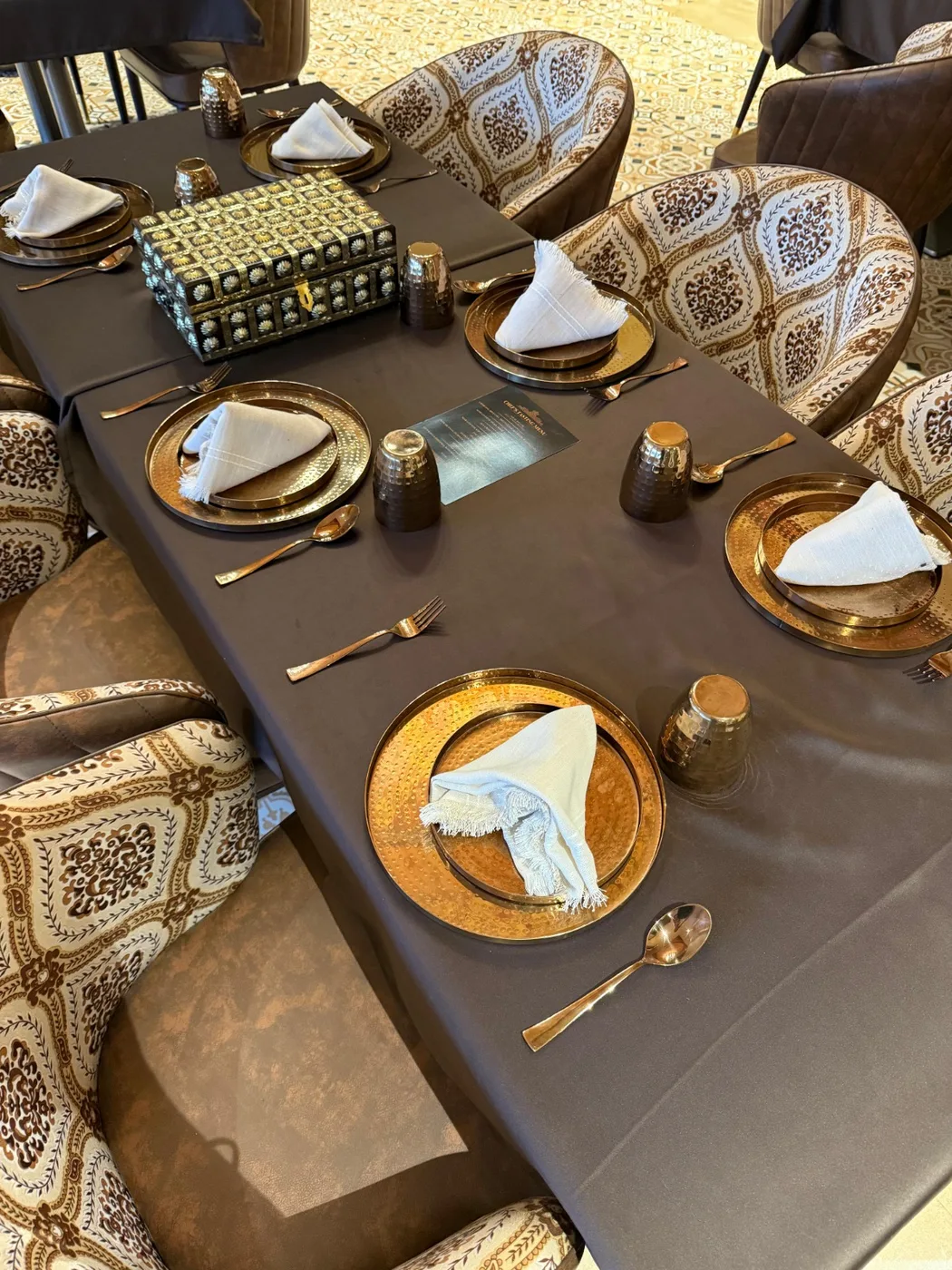
Tajnuma, on Fatehabad Road, serves pure vegetarian Mughlai food — the cooking of this same court — from 12:00 pm.